 Save
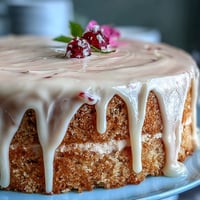
Save My cousin's daughter was turning seven, and when her mother asked what kind of cake she wanted for her First Communion, the answer was simple: flowers. Not elaborate fondant sculptures or store-bought decorations, but real piped buttercream blooms that looked like someone actually cared enough to make them by hand. That's when I learned that the best celebration cakes aren't about complexity—they're about a tender crumb, sweet frosting, and the patience to pipe something beautiful on top. This vanilla sheet cake became my go-to, the one that never fails and always impresses without requiring a pastry degree.
I'll never forget watching my eight-year-old nephew pipe his first rose onto the cake—his tongue poking out in concentration, his small hands shaking slightly as the buttercream bloomed. His mother had set up a little decorating station at the kitchen counter, and suddenly the cake wasn't just mine anymore. It became ours, this thing we were making together for someone we loved. That's the real magic of this recipe: it gives you space to involve other people, to turn baking into a moment instead of just a task.
Ingredients
- All-purpose flour (2½ cups): Use a light hand when measuring—scoop and level rather than packing, or weigh if you have a scale, because too much flour is the fastest route to a dense, disappointing cake.
- Baking powder (2½ tsp): This is your leavening agent and it has to be fresh; old baking powder sits silently in your cabinet and then betrays you with a flat cake.
- Salt (½ tsp): Never skip this tiny amount—it amplifies sweetness and makes vanilla taste more vanilla.
- Unsalted butter (1 cup for cake, 1½ cups for frosting): Room temperature is non-negotiable; cold butter won't cream properly and you'll spend forever mixing with lumpy results.
- Granulated sugar (2 cups): This creams with butter to trap air, creating that light, tender texture that makes people take second bites.
- Eggs (4 large): Room temperature eggs blend smoothly into the batter without shocking the temperature and creating pockets of butter.
- Pure vanilla extract (1 tbsp for cake, 2 tsp for frosting): The difference between imitation and pure is the difference between flat and fragrant—worth every penny.
- Whole milk (1 cup for cake, ¼ cup for frosting): Room temperature milk prevents temperature shock and ensures an even, tender crumb.
- Powdered sugar (6 cups): Sift it before measuring to avoid grainy, lumpy buttercream that looks nothing like what you imagined.
- Food coloring: Gel or liquid food coloring works; gel won't thin your frosting like liquid does, so it holds color better and pipes more reliably.
Tired of Takeout? 🥡
Get 10 meals you can make faster than delivery arrives. Seriously.
One email. No spam. Unsubscribe anytime.
Instructions
- Prepare your workspace:
- Preheat the oven to 350°F and grease your 9x13-inch pan thoroughly, then line it with parchment paper for easy removal. This small step saves you from the heartbreak of a beautiful cake sticking to the pan.
- Combine dry ingredients:
- Whisk flour, baking powder, and salt together in a medium bowl until evenly distributed. Sifting isn't strictly necessary here, but it helps prevent lumps later.
- Cream butter and sugar:
- Beat the softened butter and sugar together for about 3 minutes until it looks pale, fluffy, and almost mousse-like. You're not just mixing; you're incorporating air that will make the cake rise gently and stay tender.
- Add eggs one at a time:
- Drop in each egg individually and mix until it disappears into the batter before adding the next one. This prevents the curdled, broken-looking mixture that happens when you rush.
- Mix in vanilla:
- Stir in the vanilla extract and let it mingle with the batter for a moment so the flavor distributes evenly throughout.
- Alternate flour and milk:
- Add one-third of the flour mixture, then half the milk, then another third of flour, then the rest of the milk, and finally the last of the flour. Mix until just combined—overmixing at this stage develops gluten and makes the cake tough instead of tender.
- Pour and smooth:
- Spread the batter evenly into the prepared pan and smooth the top with a spatula so it bakes uniformly without weird dome shapes.
- Bake until done:
- Bake for 28 to 32 minutes until a toothpick inserted in the center comes out clean or with a few moist crumbs. The cake will smell buttery and vanilla-rich, and the edges will pull slightly away from the pan.
- Cool properly:
- Let the cake sit in the pan for 10 minutes to firm up, then turn it out onto a wire rack to cool completely. Decorating a warm cake means the buttercream melts into puddles, so patience here matters.
- Make the buttercream:
- Beat the softened butter until it's creamy and pale, then gradually add sifted powdered sugar in batches while alternating with milk. The gradual approach prevents powdered sugar clouds and ensures smooth, lump-free frosting.
- Add vanilla and color:
- Mix in vanilla extract, then divide the buttercream into separate bowls and tint each portion with food coloring. Start with less coloring than you think you need and add more until you reach the shade you want.
- Frost the base:
- Spread a generous, even layer of plain buttercream over the cooled cake as your canvas. This layer holds the piped flowers and keeps them from sliding.
- Pipe flowers and leaves:
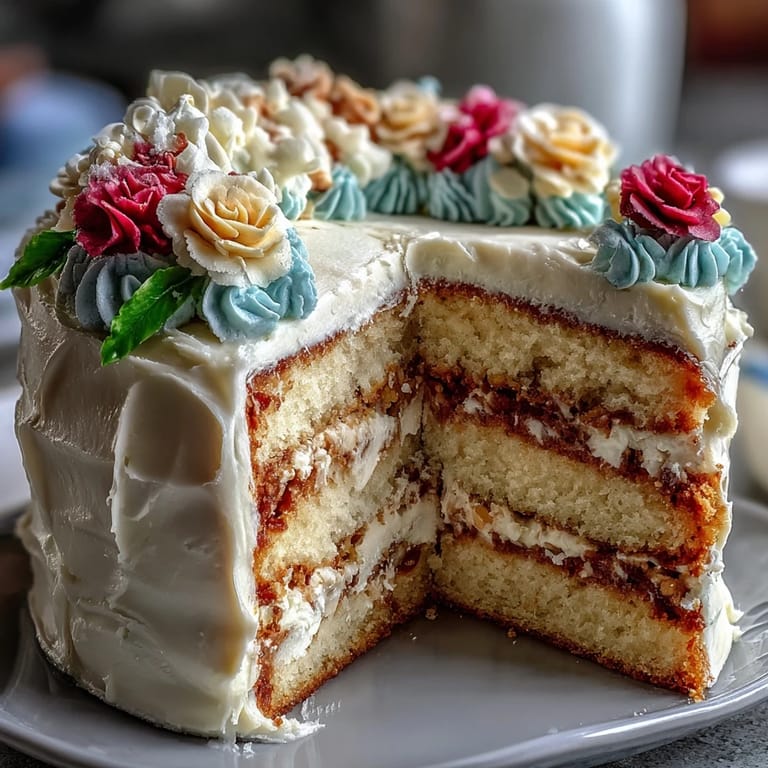
- Fill piping bags fitted with flower and leaf tips with colored buttercream, then pipe blooms and greenery decoratively across the cake. Focus on corners and edges for a balanced look, or go wild if that feels right for the celebration.
- Optional finishing touches:
- If you like, pipe a small cross with a round tip or add personalized text to make it distinctly celebratory. Let your hand and heart guide this part; imperfect is often more beautiful.
 Save
Save The moment I saw that seven-year-old's face when she saw her cake—decorated with wobbly pink roses and green leaves that somehow looked intentional—I understood why this recipe matters. It wasn't about perfection or technique; it was about showing up with something you made yourself for someone's important day. That kind of effort, that kind of presence, tastes better than any bakery cake ever could.
Making This Cake Your Own
The vanilla base is wonderfully neutral, which means you have room to experiment. I've added almond extract for subtle warmth, lemon zest for brightness, and even a hint of cardamom when I was feeling adventurous. The cake doesn't mind these small adjustments; it welcomes them like an old friend who's happy to see you trying new things. Just remember that extracts can overpower if you go beyond ½ teaspoon extra, and zests should be finely grated so they don't create bitter pockets.
Piping Without Panic
The truth about piping flowers is that they don't have to look professionally perfect to feel special. I've seen cakes decorated with confident, messy blooms that were more charming than something from a bakery. The key is holding your piping bag at a slight angle and letting your wrist do the work rather than your arm—think gentle squeezes and small circular motions rather than grand gestures. If a flower falls flat or looks odd, just cover it with a leaf or pipe another bloom on top; everyone's too busy smiling to critique the details.
Storage and Make-Ahead Magic
This cake genuinely improves with a day of rest; the crumb sets more firmly and flavors deepen slightly, making it even more pleasant to eat. You can bake it the day before and store it covered at room temperature, then frost and decorate it the morning of the celebration. Buttercream stays stable for hours at room temperature, so you can finish decorating hours ahead without worrying about everything melting.
- If decorating far in advance, keep the cake in a cool spot away from direct sunlight so colors stay vibrant and buttercream stays firm.
- Leftover buttercream refrigerates well for a week and can be softened and reused for the next celebration.
- Cake slices taste best at room temperature, so let them sit a few minutes after cutting if they've been refrigerated.
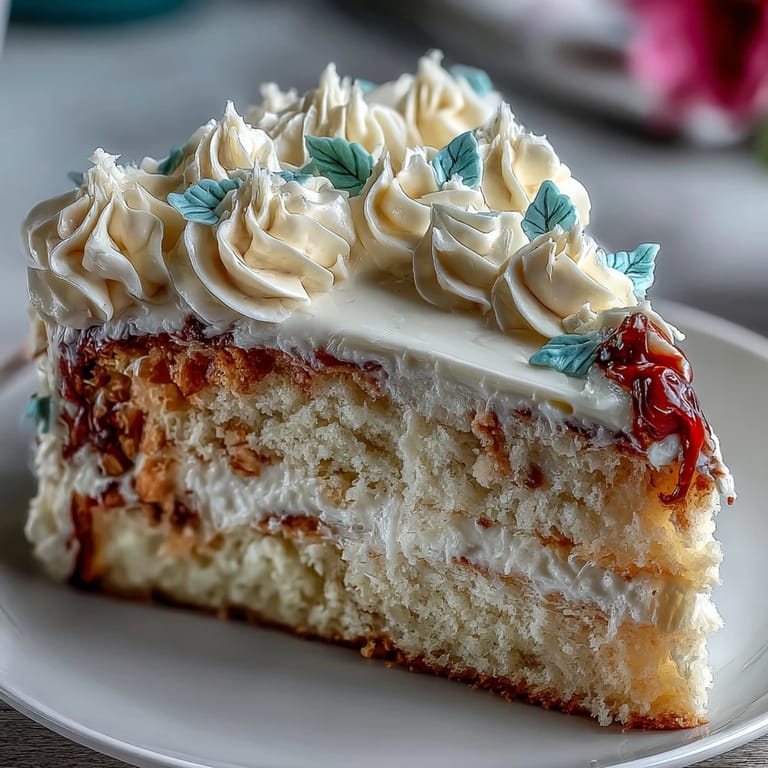 Save
Save This cake has become my answer to every celebration that calls for something homemade and meaningful. It's approachable enough for a nervous baker but elegant enough to impress, which makes it the recipe I recommend again and again.
Recipe Guide
- → How do I keep the cake moist?
Use room temperature ingredients and avoid overmixing the batter to maintain a tender crumb. Baking until a toothpick comes out clean prevents dryness.
- → What is the best way to make smooth buttercream?
Beat softened butter until creamy, then gradually add sifted powdered sugar and milk while mixing until fluffy. This results in a smooth, spreadable frosting.
- → How can I decorate with buttercream flowers?
Tint portions of buttercream with food coloring, fill piping bags fitted with flower and leaf tips, and pipe directly onto a chilled cake for defined floral designs.
- → Can I prepare the cake in advance?
Yes, the cake can be made a day ahead and stored covered at room temperature to maintain freshness before decorating.
- → What tools are needed for decorating?
A piping bag with assorted tips (flower, leaf, and round) and a spatula for spreading the base frosting are essential for piped decorations.
- → How do I avoid buttercream colors bleeding?
Use gel food coloring for vibrant hues that won’t run, and refrigerate decorated cakes to help colors set firmly.