 Save
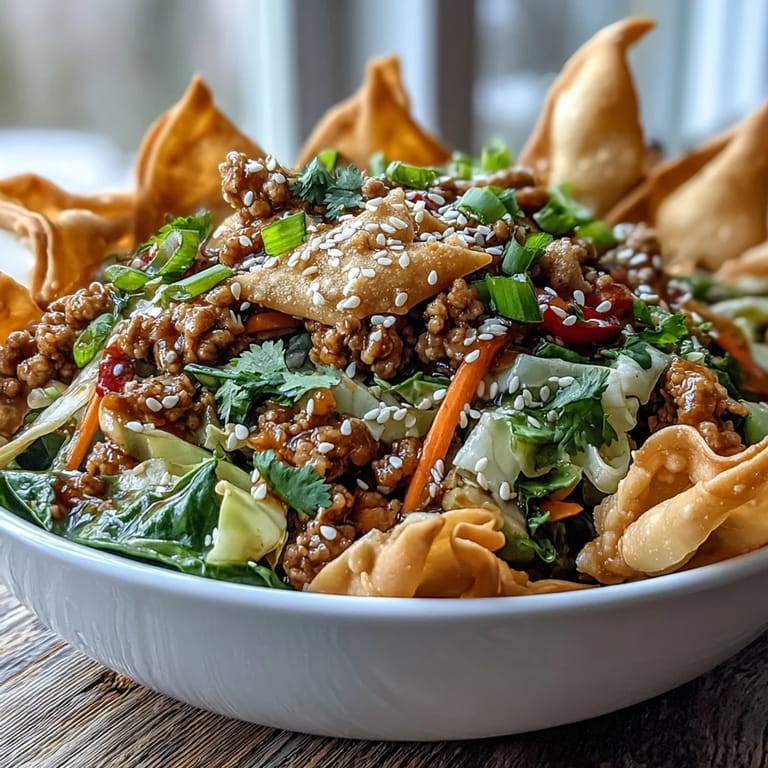
Save One Tuesday evening, my partner came home asking what smelled so good—and honestly, I hadn't planned anything fancy. I'd thrown together some ground turkey with whatever vegetables needed using up, tossed in a ranch seasoning packet out of convenience, and suddenly we had something that felt both comforting and unexpectedly sophisticated. That casual experiment became the meal we make when we want something quick but feel like we're actually cooking. These egg roll bowls skip the fussy wrapping and let you taste every seasoned layer without the grease, which meant seconds turned into thirds.
I made this for a small dinner party and watched my usually picky eater friend go back for seconds without hesitation—she didn't even realize there wasn't soy sauce on her plate until I pointed it out. There's something about deconstructing a familiar dish that makes people feel like they're trying something new, even when it's actually just simplified and more approachable. That night convinced me that the best meals aren't always the most complicated ones.
Ingredients
- Lean ground turkey: This is your protein backbone, and lean keeps things from becoming greasy—I learned the hard way that regular ground turkey can pool oil that gets absorbed by the veggies.
- Shredded green cabbage: Raw cabbage's natural crunch survives the quick stir-fry and adds volume without heaviness, making each bowl feel substantial.
- Shredded carrots: Their sweetness balances the savory seasonings and they cook just enough to soften slightly while staying crisp.
- Red bell pepper: The thinly sliced pieces add color and a subtle sweetness that keeps the bowl from feeling one-note.
- Green onions: Added at the end so they stay fresh and sharp, cutting through the richness with brightness.
- Ranch seasoning mix: This is your shortcut to depth—one packet flavors everything without you having to measure five different spices.
- Low-sodium soy sauce: The sodium matters here because you're building layers of salt, and low-sodium gives you control.
- Rice vinegar: Just a tablespoon adds a subtle tang that prevents the bowl from tasting flat or one-dimensional.
- Garlic and ginger: These two minutes of cooking them together creates a fragrant base that anchors everything that follows.
- Sesame oil: Use it for cooking, not finishing—it has a lower smoke point than vegetable oil and burns quickly if overheated.
- Crispy wonton strips: Buy them premade unless you love frying; they provide the textural contrast that transforms this from a stir-fry into something special.
Tired of Takeout? 🥡
Get 10 meals you can make faster than delivery arrives. Seriously.
One email. No spam. Unsubscribe anytime.
Instructions
- Warm your cooking vessel:
- Heat sesame oil in a large skillet or wok over medium-high heat until it shimmers and smells almost nutty—about 1 minute. You'll know it's ready when a tiny piece of turkey sizzles immediately upon contact.
- Brown the turkey:
- Add your ground turkey and break it up with a wooden spoon as it cooks, about 5-6 minutes until no pink remains. Don't stir constantly; let it sit for 30 seconds between stirs so it can develop some color on the bottom.
- Build your aromatic base:
- Stir in minced garlic and ginger, cooking for exactly 1 minute—this is the moment where your kitchen will smell like something restaurant-quality. Be present for this smell; it's the turning point.
- Season the meat:
- Sprinkle the ranch seasoning mix and black pepper over everything, stirring constantly for about 30 seconds so the powder distributes evenly and doesn't clump.
- Add the vegetables:
- Toss in your cabbage, carrots, and bell pepper, stirring frequently for 4-5 minutes. You're looking for the cabbage to wilt slightly while the carrots stay with a bit of snap—overcooked vegetables lose their appeal here.
- Deglaze and finish cooking:
- Pour in soy sauce and rice vinegar, scraping the bottom of the pan to lift any flavorful browned bits. Cook for 2 more minutes, then taste and adjust seasoning if needed.
- Add the fresh finish:
- Remove from heat and stir in your green onions—this last-minute addition keeps them crisp and prevents them from becoming stringy.
- Assemble and serve:
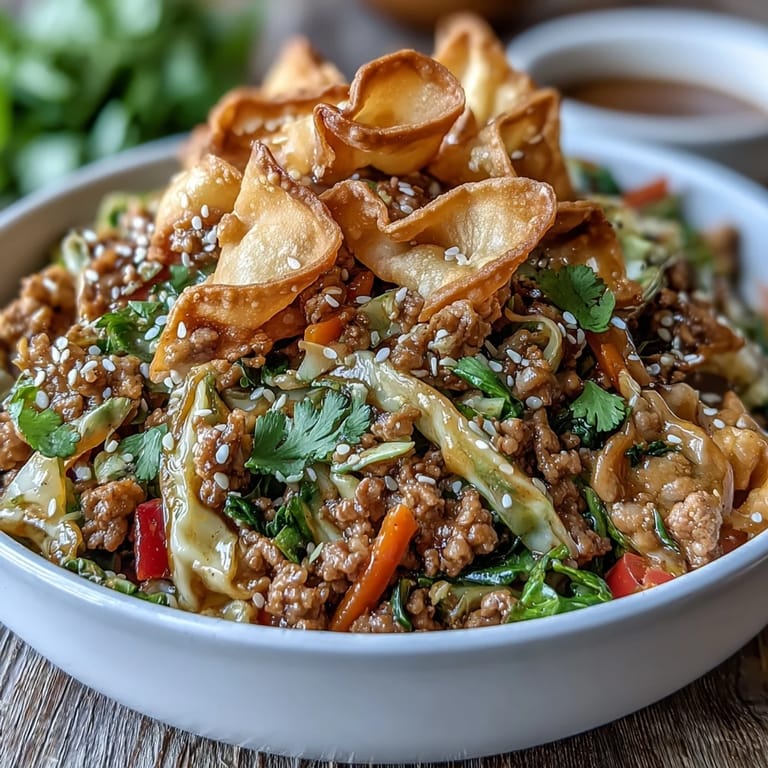
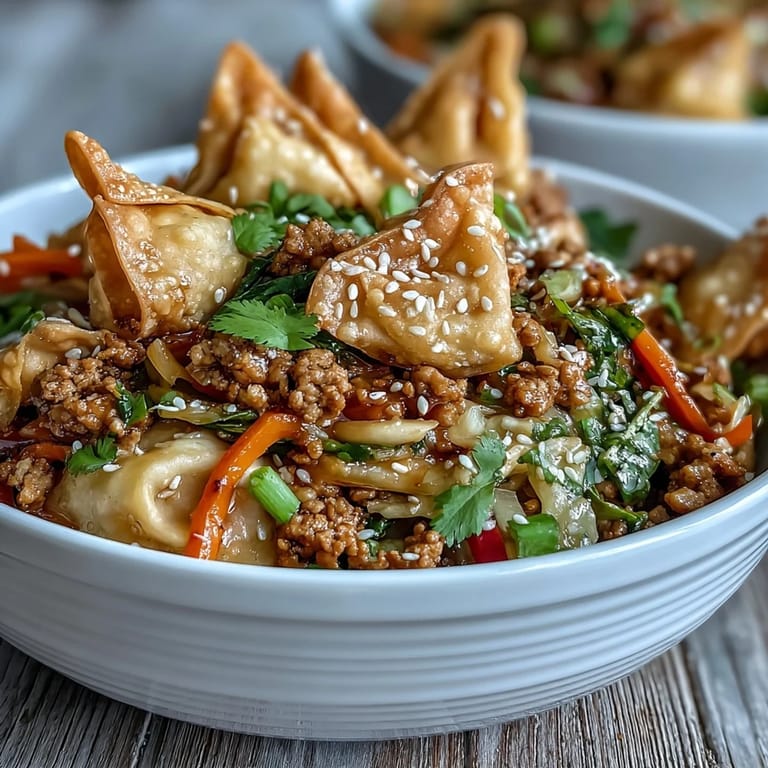
- Divide the turkey mixture among four bowls, then crown each with wonton strips, sesame seeds, and cilantro if using. Serve immediately so the wonton strips stay crispy and don't absorb steam.
 Save
Save My mother-in-law asked for the recipe after tasting this, which felt surreal because she's the person I usually cook for, not the other way around. The fact that something this approachable could impress someone who's been cooking longer than I've been alive reminded me that good food isn't about complexity—it's about respecting your ingredients and your time.
The Ranch-Soy Chemistry
It seems odd to pair ranch seasoning with soy sauce, but it's actually genius—ranch brings herby, slightly creamy notes while soy adds umami depth and saltiness. Together they create a flavor profile that feels both familiar and surprising, like comfort food that's been subtly elevated. I've started experimenting with this combination in other dishes and keep coming back to how well they complement each other.
Texture Contrasts That Matter
The wonton strips aren't just garnish; they're the reason people feel satisfied after eating this bowl instead of immediately looking for snacks. Every bite contains something tender (the turkey), something soft (the cooked vegetables), and something crunchy (wonton strips and fresh green onions), which keeps your mouth from getting bored. Once I started paying attention to texture in bowls and stir-fries, my entire cooking improved because I was thinking more intentionally about contrast.
Timing and Temperature Flexibility
Medium-high heat is important here because you need enough temperature to get browning without cooking the vegetables into mush. If your skillet isn't hot enough, the turkey will steam instead of brown, and everything tastes flat. The whole recipe works beautifully at moderate temperatures too—it just takes an extra minute or two and requires a bit more patience.
- If you're cooking for people with different spice tolerances, skip the seasoning at the end and let them drizzle sriracha or chili oil tableside.
- Prep all your vegetables before you start cooking since the actual cooking time moves quickly once the turkey hits the pan.
- Leftover bowls reheat better if you store the wonton strips separately and add them fresh right before eating.
 Save
Save This has become the recipe I make when I'm tired but don't want to feel like I took shortcuts—it's fast enough for a Tuesday but tasty enough for company. Every time someone asks what went into something this flavorful, I get to explain it's mostly just smart seasoning and respecting each ingredient's role in the bowl.
Recipe Guide
- → Can I make this dish ahead of time?
Yes, prepare the turkey and vegetable mixture up to 3 days in advance. Store in an airtight container in the refrigerator and reheat before serving. Add crispy toppings just before eating to maintain texture.
- → What can I substitute for ground turkey?
Ground chicken works equally well in this dish. For a vegetarian option, use plant-based crumbles or extra firm tofu crumbled and seasoned the same way. The cooking time may vary slightly depending on your protein choice.
- → How do I make this gluten-free?
Use tamari instead of soy sauce, choose a gluten-free ranch seasoning mix, and either omit wonton strips or use certified gluten-free alternatives. Many brands offer gluten-free wonton wrappers you can bake until crispy.
- → Can I freeze these bowls?
The turkey and vegetable mixture freezes well for up to 3 months. Let it cool completely, then store in freezer-safe containers. Thaw overnight in the refrigerator and reheat thoroughly. Add fresh toppings after reheating for best results.
- → What other toppings work well?
Sliced almonds, cashews, or roasted peanuts add crunch. Try drizzling with sriracha, chili oil, or extra sesame oil. Fresh basil, mint, or extra green onions brighten the flavors. A squeeze of fresh lime juice before serving adds brightness.
- → How can I reduce the carbohydrates?
Omit the wonton strips entirely or replace them with toasted nuts and seeds. You can also reduce the amount of carrots slightly and increase the cabbage proportion. The dish is naturally low-carb without the crispy topping.