 Save
Save My neighbor stopped by one autumn afternoon with a bag of blood oranges from her tree, and I had no idea what to do with them until she casually mentioned roasting chicken. That evening, the kitchen filled with this incredible perfume of citrus and rosemary, and I realized I'd been making roasted chicken all wrong before that moment. Now it's the dish I return to whenever I want to feel like I've actually accomplished something in the kitchen without the stress.
I made this for my sister's birthday dinner last spring, and everyone went quiet the moment I brought it to the table—that kind of quiet that means you've done something right. My nephew asked for seconds before finishing his first plate, and my brother-in-law, who usually just nods politely at food, actually asked for the recipe. It became the thing I'm known for now, which is both wonderful and slightly terrifying.
Ingredients
- Whole chicken (about 1.5 kg / 3.3 lbs): Make sure it's at room temperature before cooking—this sounds fussy, but it actually makes a real difference in how evenly it cooks and how crispy the skin gets.
- Oranges, zested and juiced (2 total): Use blood oranges or regular ones, but zest them before juicing or you'll regret it, and the juice adds moisture that keeps the chicken from drying out.
- Olive oil (3 tbsp): Don't use extra virgin here; regular olive oil handles the heat better and lets the other flavors shine.
- Garlic (4 cloves, minced): Mince it fine so it distributes evenly into the marinade instead of creating little burned bits.
- Fresh rosemary, thyme, and parsley (2 tbsp, 1 tbsp, and 1 tbsp): Fresh herbs are genuinely worth the trip to the produce section; dried herbs turn bitter when roasted at high heat.
- Salt and black pepper (1 tsp salt, ½ tsp pepper): These amounts are starting points, so taste your marinade and adjust before applying it to the chicken.
- Root vegetables—carrots, parsnips, potatoes, sweet potato (mixed): Cut them all roughly the same size so they finish cooking at the same time; uneven pieces lead to some burning and some staying raw.
- Red onion (1 large, cut into wedges): The red onion becomes almost jammy at the edges, and it's honestly my favorite part of the whole dish.
Tired of Takeout? 🥡
Get 10 meals you can make faster than delivery arrives. Seriously.
One email. No spam. Unsubscribe anytime.
Instructions
- Prepare your workspace and preheat:
- Get your oven to 400°F (200°C) before you touch anything else; a properly preheated oven is non-negotiable for crispy chicken skin. Pat your chicken dry with paper towels because moisture is the enemy of crispiness.
- Make the marinade:
- Combine the orange zest, juice, olive oil, minced garlic, and all three fresh herbs in a small bowl, then season with salt and pepper. Smell it—it should make you excited about dinner.
- Season the chicken generously:
- Rub half the marinade all over the chicken, getting some under the skin by carefully lifting it away from the meat without tearing it. Stuff the cavity with a few orange peels and herb sprigs if you're feeling it; this steams the inside while the outside gets crispy.
- Build your vegetable bed:
- Toss all the cut root vegetables and onion wedges with the remaining marinade in your roasting pan, then spread them out to create an even layer. This becomes the foundation that keeps the chicken elevated and lets the juices drip down and season everything.
- Position the chicken:
- Place the chicken breast-side up directly on top of the vegetables, making sure it's stable and centered.
- Roast with intention:
- Slide the whole pan into the oven and set a timer for 40 minutes before you even think about basting. At the halfway point, use a basting brush or spoon to drizzle those beautiful pan juices back over the chicken; this keeps the skin golden and the meat underneath tender.
- Check for doneness:
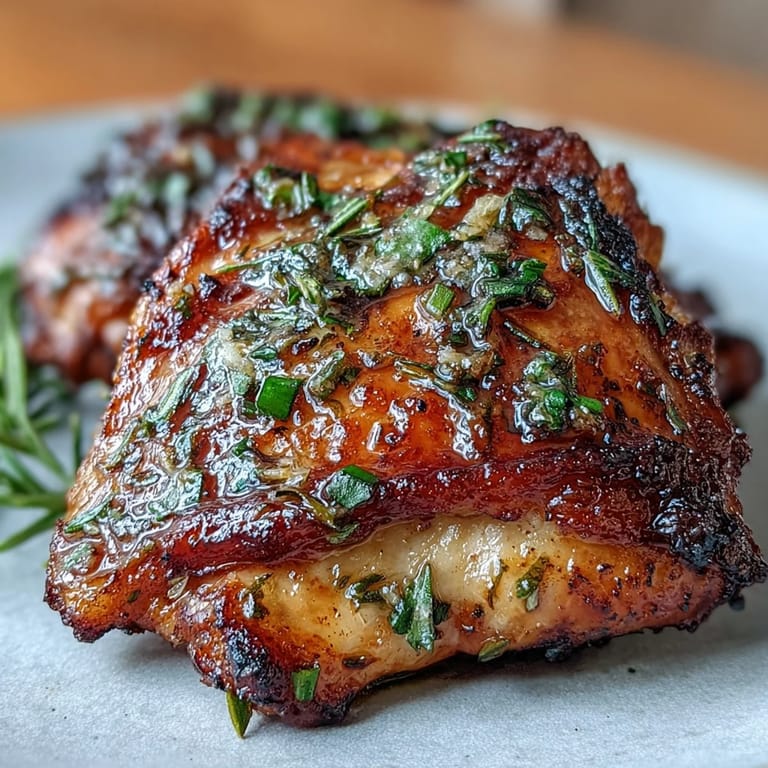
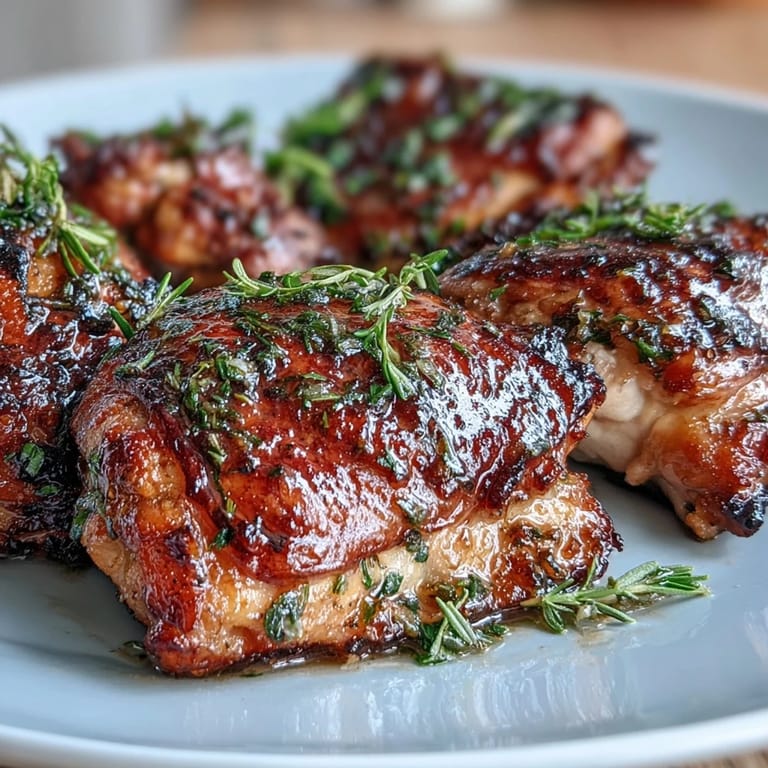
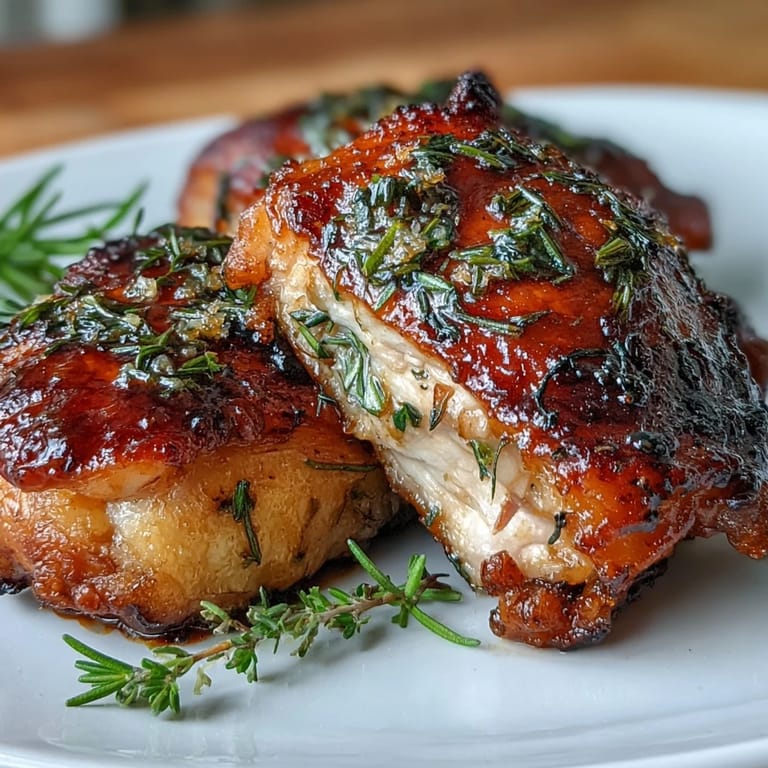
- After about 1 hour 20 minutes total, insert a meat thermometer into the thickest part of the thigh without touching bone; 165°F (74°C) means it's done. The skin should be deep golden brown, and the vegetables around it should have caramelized edges.
- Rest before carving:
- Tent the whole pan loosely with foil and let it sit for 10 minutes; this resting period lets the juices redistribute so the meat stays moist when you cut into it. This is also a good time to take a breath and appreciate what you've made.
 Save
Save There's something almost meditative about watching a whole chicken roast, knowing that in an hour and a half you're going to have something nourishing and beautiful to share with people you care about. This dish became my default celebration meal because it feels special without being stressful, and that's the recipe I keep coming back to.
Why This Combination Works
Orange and chicken were basically made for each other—the acidity cuts through the richness of the skin, and the herbs add depth without making anything taste medicinal or heavy. Roasting everything in one pan means the vegetables catch all those savory drippings and caramelize into something that tastes more sophisticated than their ingredients suggest. The root vegetables soak up flavors while they're cooking, so you end up with this complex, layered dish instead of separate components sitting on a plate.
Customizing Without Losing the Magic
Swapping vegetables is absolutely fine and actually encouraged depending on what looks good at the market or what's sitting in your produce drawer. You can substitute parsnips with turnips or add extra carrots, and the core of the dish remains solid and delicious. I've also experimented with adding a tablespoon of honey to the marinade when I'm feeling like things need a touch more richness, and it changes the whole vibe into something almost autumn-holiday feeling.
Making It Your Own
This recipe is flexible enough to bend around what you have and what you're craving, which is honestly the sign of a truly good recipe. I've made it in tiny apartments with limited oven space and in proper kitchens with fancy equipment, and it turned out beautifully both times. The real magic isn't in the ingredients or the technique—it's in the fact that you decided to spend time making something worth eating.
- If you have white wine or even apple cider lying around, splash a little into the pan with the vegetables for extra depth of flavor.
- Leftovers shred into the most incredible chicken salad the next day, so don't worry about making too much.
- Pairing this with a simple green salad and crusty bread turns it into a complete meal without any extra effort on your part.
 Save
Save This orange herb roasted chicken has become my answer to the question of what to make when you want to feel accomplished without spending all day cooking. Every time someone asks me what I served at dinner, they're usually asking about this dish, and that's when I know I've got something worth holding onto.
Recipe Guide
- → What herbs enhance the flavor of the chicken?
Fresh rosemary, thyme, and parsley are used to infuse the chicken with aromatic, woodsy notes that complement the citrus zest.
- → How should the chicken be prepared before roasting?
Pat the chicken dry, then rub the marinade underneath the skin and inside the cavity for deep flavor penetration.
- → What root vegetables pair well with the chicken?
Carrots, parsnips, potatoes, sweet potatoes, and red onions create a flavorful, caramelized medley when roasted together.
- → Can parsnips be substituted in this dish?
Yes, you can replace parsnips with extra carrots or turnips based on preference or availability.
- → What temperature and cooking time are recommended?
Roast at 400°F (200°C) for about 1 hour and 20 minutes until the chicken skin is golden and the internal temperature reaches 165°F (74°C).
- → How can the dish be garnished for presentation?
Fresh herb sprigs and orange slices provide a bright, attractive garnish enhancing both aroma and appearance.