 Save
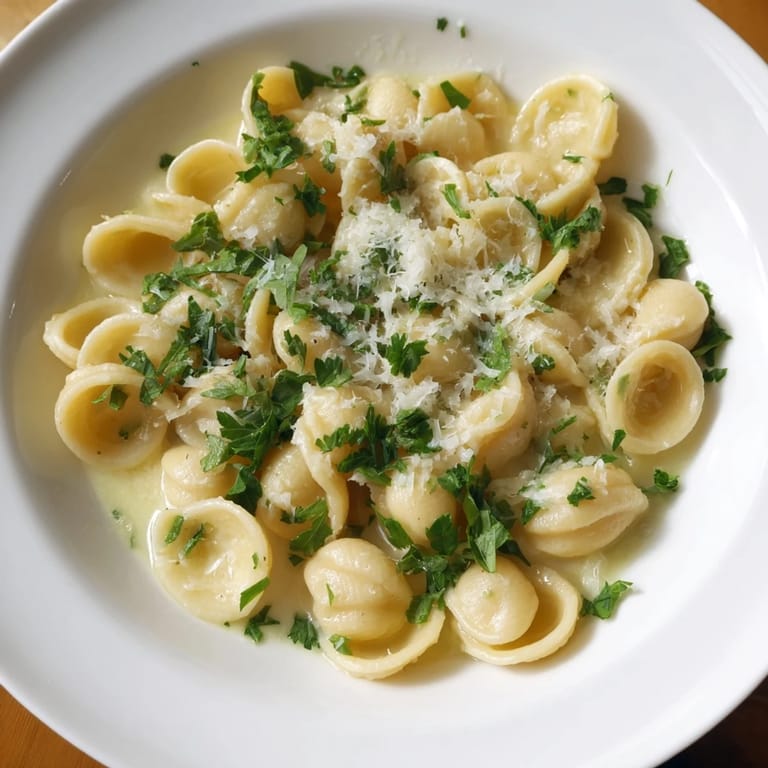
Save There's something about a pot of buttery ditalini that stops time in the kitchen. The first time I made this, I was in a rush—guests arriving in twenty minutes, and my usual pasta repertoire felt tired. I grabbed ditalini because it was what I had, melted butter with a handful of garlic, and let the pasta drink up the broth. The kitchen filled with that golden, garlicky steam, and when I tasted it, I realized I'd stumbled onto something deceptively simple that tasted like comfort itself.
I served this to my neighbor last winter when her kitchen flooded and she needed a hot meal. She sat at my counter, still stressed about contractors and insurance claims, and after two bites she just closed her eyes. That's when I knew this recipe wasn't fancy, but it was exactly what people needed when things felt overwhelming.
Ingredients
- 340 g ditalini pasta: Those tiny tubes trap broth inside each piece, so every bite tastes intentional. Don't skip browning the pasta slightly in butter first—it adds a subtle toastiness.
- 1 liter low-sodium chicken broth: The foundation here, so use good broth. Vegetable broth works just as well if that's your choice, and sometimes tastes even cleaner.
- 3 tablespoons unsalted butter: This is where the richness lives. Don't use salted butter unless you want to scramble with seasoning later.
- 4 large garlic cloves, minced: The star. Fresh minced garlic makes a difference—garlic powder turns this into something bland.
- 1 small shallot, finely chopped: Optional, but adds a gentle sweetness that rounds everything out without being noticeable.
- 60 g freshly grated Parmesan cheese: Grate it yourself from a wedge. Pre-grated cheese has cellulose that keeps it from melting smoothly into the pasta.
- ½ teaspoon freshly ground black pepper: Grind it fresh. Stale pepper tastes like dust.
- ¼ teaspoon red pepper flakes: A whisper of heat that makes you notice the garlic and butter more.
- Fresh parsley and extra Parmesan for finishing: These aren't optional—they brighten the plate and remind you that this came from someone's kitchen.
Tired of Takeout? 🥡
Get 10 meals you can make faster than delivery arrives. Seriously.
One email. No spam. Unsubscribe anytime.
Instructions
- Melt and bloom:
- Heat your butter over medium until it's foaming and smells almost sweet. Add garlic and shallot, letting them sizzle for a minute or two until the kitchen smells like a good restaurant kitchen. Watch the heat—you want fragrance, not browning.
- Toast the pasta:
- Stir the dry ditalini into that garlic butter, coating every piece. You'll hear it rustle against the pan. Let it sit for about a minute so the pasta picks up a faint golden color.
- Add the broth:
- Pour in your broth and raise the heat to bring everything to a boil. The pasta will start dancing immediately. Once it's at a rolling boil, turn the heat down to a gentle simmer so the broth reduces slowly rather than evaporating too fast.
- Cook with attention:
- Stir occasionally, especially after the 8-minute mark, because pasta starch loosens into the broth and can stick. You're aiming for the pasta to be tender and most of the liquid absorbed but not completely dry—there should still be a little glossy sauce clinging to everything. If it's drying out too fast, add a splash of hot water.
- Finish rich:
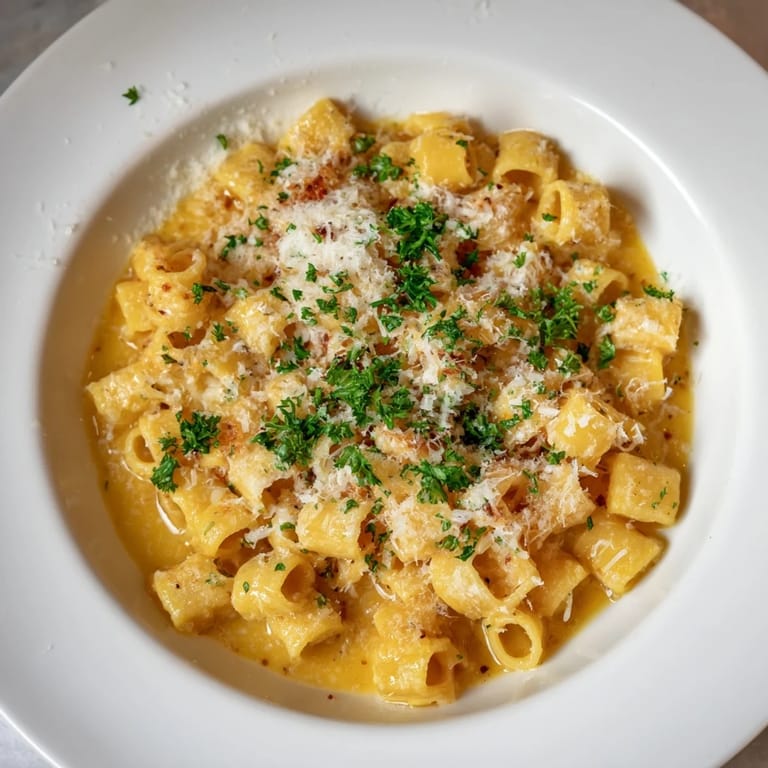
- When the pasta is soft and nearly all the broth is absorbed, turn off the heat and stir in the Parmesan, black pepper, and red pepper flakes. A crack of salt to taste. Let it sit for two minutes—it'll keep thickening.
- Serve warm:
- Divide into bowls, sprinkle parsley and more Parmesan on top, and serve immediately while everything is warm and soft.
 Save
Save My mother asked me last month why I bothered making such a simple thing. I watched her eat three bowls and realized that sometimes people don't need complicated—they need warmth in a bowl, made by someone who was thinking of them while they ate.
When You Need Extra Creaminess
Some nights, especially winter ones, call for softness beyond what butter and Parmesan can offer. Stir in a splash of heavy cream or milk right after adding the cheese, thinning it until it coats the pasta like a gentle sauce instead of clinging to it. The broth becomes almost velvety, and it feels less like dinnertime and more like being looked after.
Making It Heartier
On busy weeknights when this needs to be a complete meal instead of just the base, I'll stir in handfuls of whatever vegetables are in the fridge. Spinach wilts into it beautifully, peas add sweetness and color, and shredded cooked chicken turns it into something sturdy enough for someone who works outside all day. Add everything in the last minute of cooking so it stays bright and doesn't disappear into the broth.
A Matter of Timing and Feel
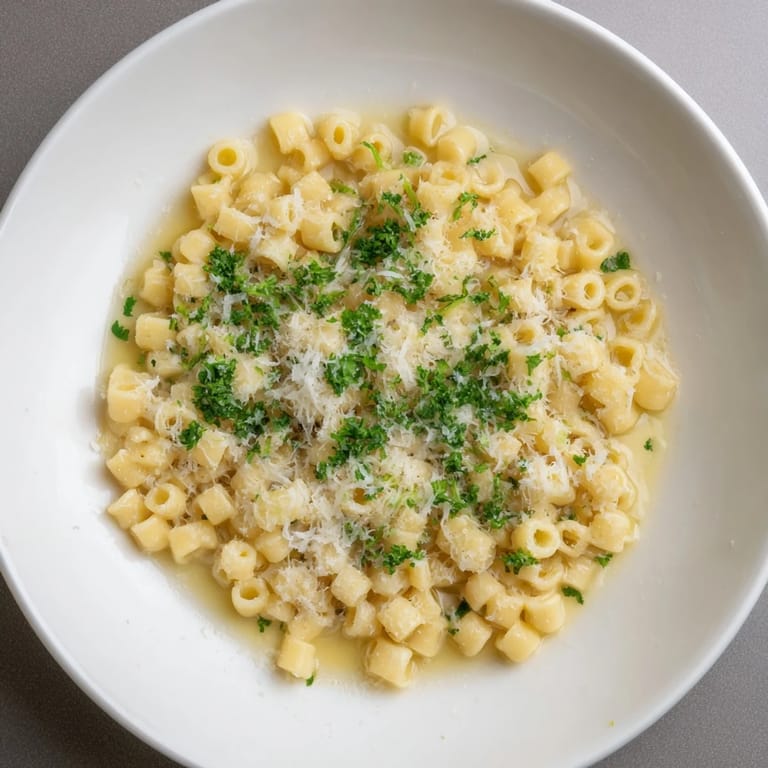
The hardest part of this recipe isn't the cooking—it's knowing when to stop. The pasta should be soft but not mushy, and the broth should be mostly absorbed but the dish should still feel loose and buttery, not dry and heavy. Listen to the sound when you stir; when you can't hear liquid moving underneath, you're close. When you're just starting out, it's better to pull it off the heat a minute early and let it rest than to cook it one minute too long.
- If it seems too thick when you first dish it up, a small pour of hot broth or water loosens it right away.
- Taste it before serving—salt the pasta itself, not just the finished bowl.
- Don't skip the parsley; it's the difference between good comfort food and something that tastes a little incomplete.
 Save
Save This is the kind of recipe that lives in your rotation because it works, not because it impresses. Make it when you need something warm, fast, and honest.
Recipe Guide
- → What type of pasta is used in this dish?
Ditalini pasta is used; its small tube shape allows for even cooking and absorption of flavors.
- → Can I use vegetable broth instead of chicken broth?
Yes, vegetable broth can be used to make the dish vegetarian while maintaining depth of flavor.
- → How do I achieve a creamy texture without cream?
The butter combined with simmered broth and Parmesan cheese creates a naturally creamy sauce without needing additional cream.
- → Are there optional ingredients to enhance flavor?
Sautéed shallots, red pepper flakes, or a splash of cream can be added for extra richness and subtle heat.
- → What is the best way to prevent the pasta from sticking?
Stir frequently during simmering and add hot water or extra broth if the liquid evaporates before the pasta is fully cooked.
- → Can this dish be prepared ahead of time?
It's best served fresh to preserve the creamy texture, but leftovers can be reheated gently with a splash of broth or water.