 Save
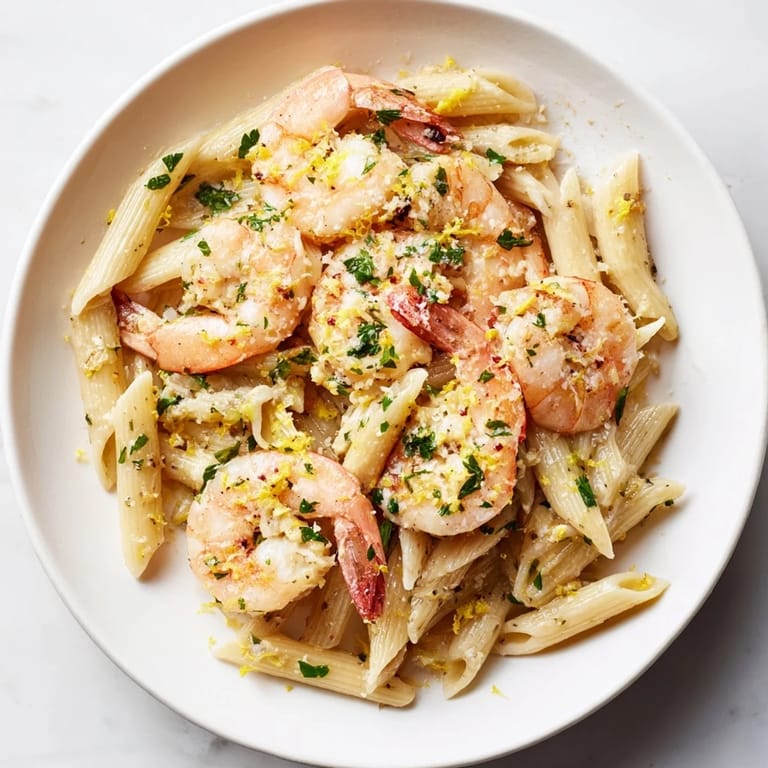
Save There's something about the smell of garlic hitting hot butter that stops me mid-conversation every single time. I discovered this dish on a weeknight when I had shrimp thawing and exactly twenty minutes before hungry people arrived at my door. What started as mild panic became one of those dinners that tasted far too good to have been thrown together so quickly, the kind of meal that makes people ask for the recipe with their mouths still full.
I made this for my sister last summer when she was visiting and mentioned feeling tired of complicated recipes. We cooked it together, and she got so distracted by the aroma rising from the skillet that she forgot to set the table. By the time we sat down, we were both already hungry enough to dive in without ceremony, forks twirling pasta before we'd even poured water into glasses.
Ingredients
- Large shrimp (400 g / 14 oz): The size matters here—large shrimp stay tender and cook evenly in just a couple of minutes, unlike smaller ones that can turn rubbery if you blink.
- Penne pasta (350 g / 12 oz): The tube shape catches the buttery sauce beautifully, but linguine works just as well if that's what you have.
- Garlic (4 cloves): Mince it fine so it disperses throughout the butter and doesn't leave harsh chunks; this is where the magic lives.
- Shallot (1 small): Gentler than onion and adds a whisper of sweetness that balances the lemon.
- Fresh parsley (2 tbsp): Chop it just before you need it so it stays bright green and doesn't oxidize into something dull.
- Lemon zest and juice: The zest adds pop without the tartness, while the juice brings everything into focus at the end.
- Unsalted butter (60 g / 1/4 cup): Use real butter, not margarine—it's the foundation of the entire sauce and worth the splurge.
- Parmesan cheese (2 tbsp plus more for serving): Grate it fresh if you can; the pre-shredded stuff won't melt as smoothly into the sauce.
- Extra-virgin olive oil (2 tbsp): The initial oil helps cook the shrimp without them sticking; save your best oil for drizzling at the table.
- Red pepper flakes (optional pinch): A whisper of heat lifts the richness without overwhelming the delicate shrimp.
Tired of Takeout? 🥡
Get 10 meals you can make faster than delivery arrives. Seriously.
One email. No spam. Unsubscribe anytime.
Instructions
- Get your pasta water ready:
- Bring a large pot of salted water to a rolling boil and add the penne, stirring occasionally so it doesn't clump. Cook until just al dente—this usually takes about 11 minutes, but check your package. Before draining, grab a mug and scoop out about half a cup of that starchy cooking water because you'll need it in just a moment.
- Dry and season the shrimp:
- Pat each shrimp with a paper towel until they're completely dry; this helps them develop a light golden exterior instead of steaming. Season them lightly with just salt and pepper—you'll adjust at the end anyway.
- Sear the shrimp fast and hot:
- Heat 1 tablespoon of olive oil and 1 tablespoon of butter in a large skillet over medium-high heat until the butter foams. Lay the shrimp in a single layer and don't move them for about a minute—they need that contact to cook through. Flip once and cook for another minute until they've turned from gray to opaque pink, then transfer to a plate.
- Build the garlic butter base:
- In the same skillet, melt the remaining butter with the remaining olive oil. Add the chopped shallot and let it soften for about a minute, then add the minced garlic and cook just until it becomes fragrant—about 30 seconds is all you need before the smell tells you it's ready.
- Add the bright notes:
- Sprinkle in a pinch of red pepper flakes if using, then add the lemon zest and lemon juice, stirring so everything combines. The mixture should smell like a sunny kitchen right about now.
- Bring it all together:
- Add the drained penne to the skillet and toss it gently in that golden butter, adding splashes of the reserved pasta water until a light, silky sauce forms that clings to the pasta. This is the moment where it all comes together.
- Final toss and taste:
- Return the shrimp to the pan along with the chopped parsley and grated Parmesan, tossing everything gently so the shrimp don't break apart. Taste and adjust the salt and pepper, then serve right away while the steam is still rising.
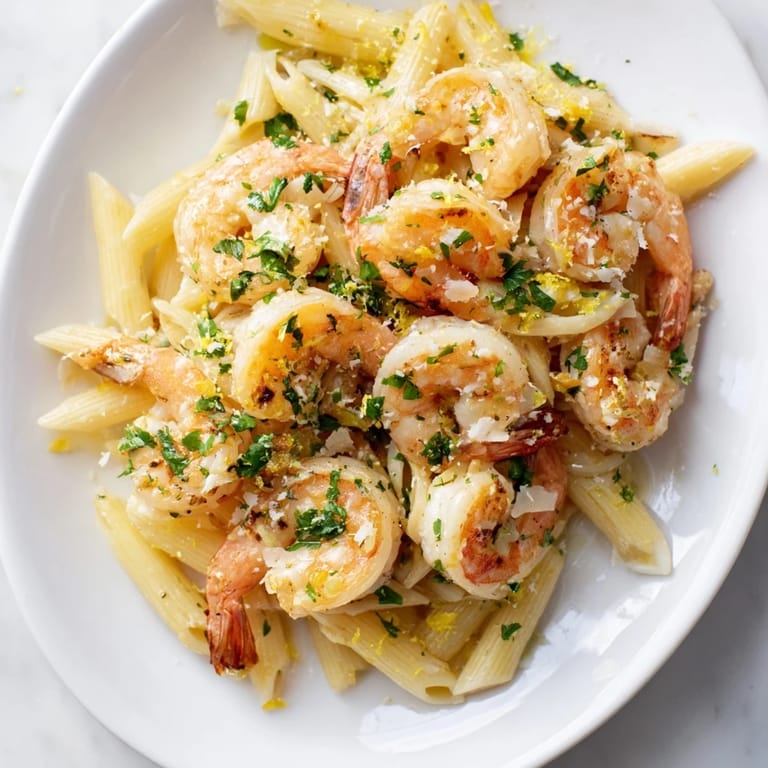 Save
Save This dish taught me that dinners don't need hours of planning to feel special. What they need is attention in the moment—listening for when the garlic smells right, watching the shrimp change color, letting the pasta water work its magic.
Why This Works So Well
The beauty of this recipe is in its simplicity and timing. Each component comes together in roughly the same window of minutes, so there's no downtime, no cold pans, no waiting around. The shrimp cook so quickly that they stay tender while the pasta provides the body of the dish, and the garlic butter becomes the thread connecting everything. It's Italian cooking at its most honest—good ingredients, proper technique, and the sense to not overwork it.
Scaling and Flexibility
This recipe doubles easily if you're feeding six or eight people instead of four. Just increase everything proportionally, though you might need to cook the shrimp in two batches so they sear properly rather than steam. The beauty is that if you only have linguine or spaghetti on hand, either one works beautifully—the sauce clings to thin pasta just as well as it does to tubes.
Moments That Matter Most
What makes this dish come alive is the care taken in small details that cost nothing. Mincing the garlic fine instead of chopping it rough, zesting the lemon before you juice it, patting the shrimp dry so they can brown instead of steam. These little choices are the difference between a dish that feels hurried and one that feels intentional.
- Taste the pasta while it cooks because al dente means something different to everyone and you should cook it to your preference.
- If your sauce seems too thin once everything is combined, let it simmer for 30 more seconds and the starch will thicken it.
- Leftovers are honestly wonderful cold the next day, though honestly they rarely make it that far.
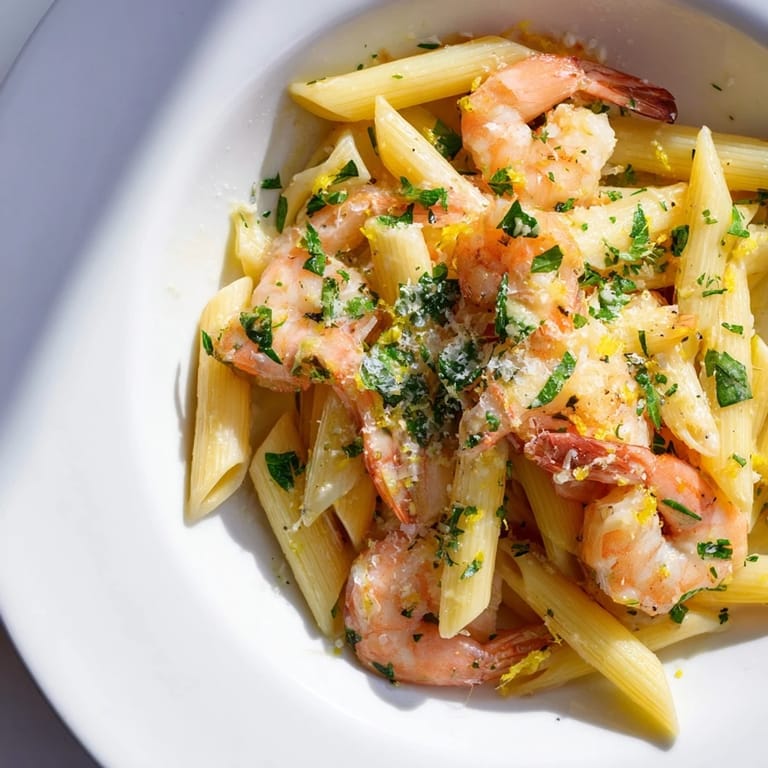 Save
Save Make this when you need something that feels indulgent but doesn't demand hours in the kitchen. It's the kind of dinner that reminds you why people love cooking in the first place.
Recipe Guide
- → What type of shrimp is best for this dish?
Large, peeled, and deveined shrimp work best as they cook quickly and maintain a tender texture.
- → How can I achieve al dente penne pasta?
Cook the pasta in boiling salted water and follow package timing closely, stopping just before fully soft to retain a slight firmness.
- → Can I substitute penne with other pasta shapes?
Yes, linguine or spaghetti are excellent alternatives that hold the sauce well and complement the shrimp.
- → What enhances the sauce’s richness besides butter?
Adding a small splash of cream with the reserved pasta water creates a velvety texture and richer taste.
- → How do lemon zest and juice affect the dish’s flavor?
They add a fresh, bright citrus note that balances the richness of butter and Parmesan, uplifting the overall profile.
- → Is this dish suitable for gluten-free diets?
Using gluten-free pasta substitutes ensures compatibility with gluten-free dietary needs without compromising taste.