 Save
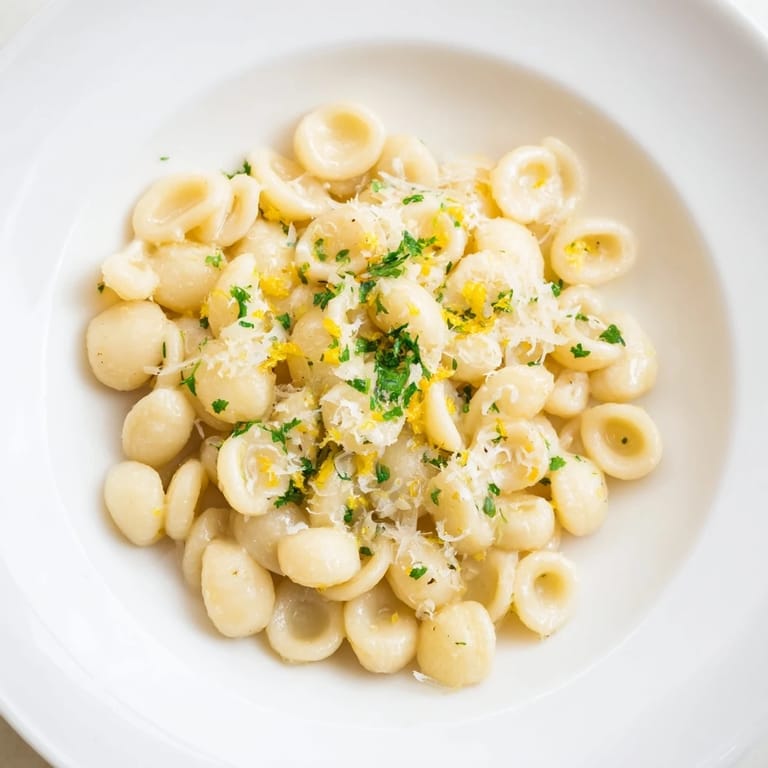
Save There was this Tuesday evening when I came home absolutely drained, staring into a half-empty pantry, and spotted a small box of ditalini that had been hiding behind the rice. Tiny, humble pasta tubes that somehow felt like the answer to everything. Twenty minutes later, my kitchen smelled like butter and garlic in that golden, almost-nutty way that makes you forget you were tired in the first place. That dish became the thing I reach for now whenever I need comfort without the fuss, and it's never let me down.
I made this for my friend Sam one rainy afternoon when she dropped by unexpectedly, and the smell hit her the moment she walked through the door. She watched me toss the pasta for maybe forty seconds, then laughed and said, "That's it? That's the whole thing?" When she took the first bite, the look on her face was worth every butter-soaked pan. Now she texts me asking for the recipe at least once a month, swearing she's going to make it herself, though I suspect she's just hoping I'll cook it for her again.
Ingredients
- Ditalini pasta, 300 g: These tiny tubes are perfect because they're small enough to feel delicate but substantial enough to hold the sauce in their little bellies; don't sub with long pasta or you'll lose half the magic.
- Unsalted butter, 4 tablespoons: This is where the soul of the dish lives, so use good butter if you can and let it melt slowly rather than rushing it.
- Garlic, 4 cloves minced: Mincing fine matters here—big chunks will taste harsh and overpower everything, while fine pieces dissolve into creamy silk.
- Heavy cream, 120 ml: The cream binds everything together and turns the butter from slick to velvety; don't skip it or use half-and-half unless you enjoy disappointment.
- Parmesan cheese, 50 g freshly grated: Pre-grated cheese has anti-caking agents that make the sauce grainy, so grate it yourself right before you need it.
- Black pepper and salt: Taste as you go because these do the real seasoning work and you're the only one who knows how you like it.
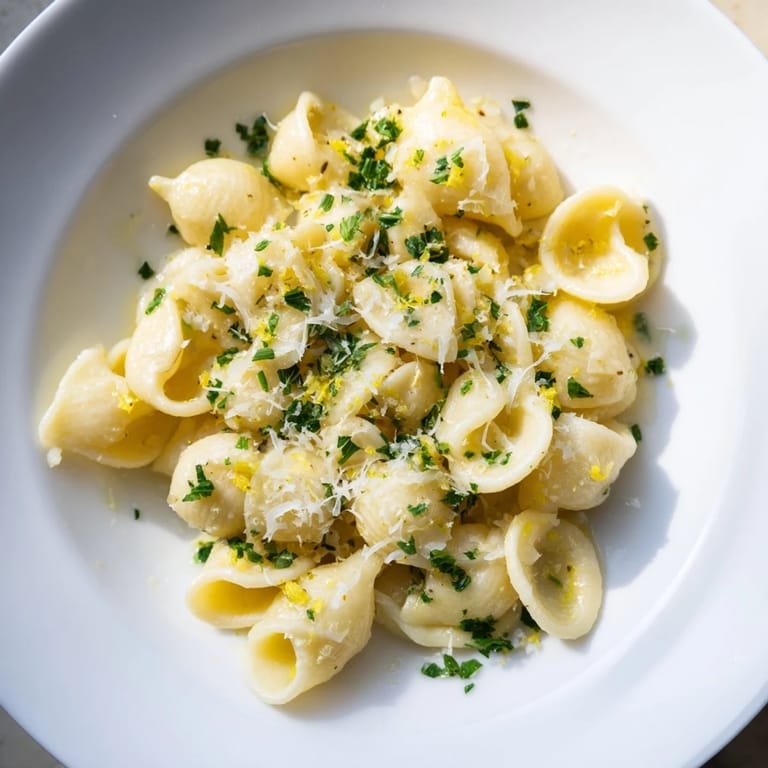
- Fresh parsley and lemon zest: Optional but they're like the final brushstroke—they brighten everything up and make it feel finished.
Tired of Takeout? 🥡
Get 10 meals you can make faster than delivery arrives. Seriously.
One email. No spam. Unsubscribe anytime.
Instructions
- Get your water boiling and pasta going:
- Fill a large pot with water, add salt so it tastes like the sea, then bring it to a rolling boil before adding the ditalini. Stir occasionally while it cooks and watch for that moment when it's tender but still has a slight bite—usually right around the package time.
- Start the butter and garlic magic:
- While the pasta cooks, melt butter in a skillet over medium heat until it foams slightly. Add the minced garlic and listen for that gentle sizzle; keep it there for just 1-2 minutes until it's fragrant but still pale, because once it browns it tastes bitter and sharp.
- Build the sauce base:
- Turn the heat down to medium-low, pour in the cream, and add about a quarter cup of the pasta water you reserved. Let everything simmer gently—you want little bubbles at the edge, not a rolling boil that breaks the cream.
- Bring it all together:
- Add the drained ditalini to the skillet and toss constantly until each little tube is coated in the silky sauce. If it looks too thick, add more pasta water a tablespoon at a time until it feels loose and luxurious.
- Season and finish:
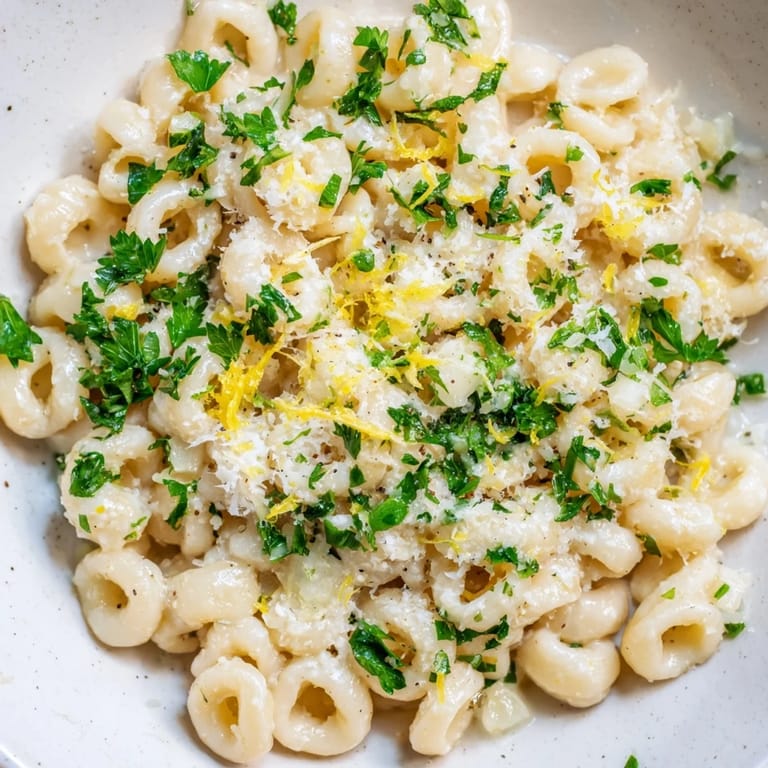
- Sprinkle in the freshly grated Parmesan, black pepper, and salt, stirring until everything melts into a smooth, creamy dream. Take it off the heat and stir in parsley and lemon zest if you're using them, then taste and adjust before serving.
 Save
Save There's something about serving a plate of this to someone hungry that feels like you've done something genuinely kind. It's simple enough that it never feels like a burden to make, but thoughtful enough that people always notice the care. That's when you know a recipe has truly become part of your life.
Timing Is Everything
The beauty of this dish lives entirely in the timing—everything finishes at exactly the right moment so you're never standing around waiting. Get your water on the stove first, then start the butter and garlic once the water is near boiling. By the time the pasta is drained, your sauce is ready and waiting. The whole operation feels choreographed, and when it clicks, you understand why Italian cooks seem so calm in the kitchen—they've figured out how to make the timing work.
Playing with Flavors
Once you make this once, you'll start seeing it as a blank canvas for whatever your mood is that day. A splash of good white wine stirred into the cream makes it taste restaurant-worthy. Red pepper flakes add a pleasant heat that cuts through the richness. Some people add a spoonful of mascarpone instead of extra cream for something almost dessert-like in its richness. The bones of the recipe are strong enough that it handles all of these variations without breaking.
Beyond the Plate
This pasta becomes different things depending on when you eat it. On a busy weeknight it's pure relief, but on a weekend with friends it becomes something to linger over. I've noticed that people seem to slow down when they eat it, like the richness and simplicity give their minds permission to rest for a moment. That quiet contentment is what keeps me making it.
- If you have leftovers, store them in the fridge and reheat gently with a splash of milk stirred in—the sauce will come back to life.
- A crisp white wine like Pinot Grigio sits beside this better than almost any other pairing.
- Double the recipe without doubling the cooking time if you're feeding more people; the timing stays exactly the same.
 Save
Save This is the kind of recipe that proves the most memorable meals don't need complexity or a long list of ingredients—sometimes they just need good butter, a bit of patience, and someone to share it with. Make it whenever you need something that feels like a small act of kindness to yourself.
Recipe Guide
- → What type of pasta works best for this dish?
Ditalini pasta is ideal, as its small tube shape holds the creamy sauce nicely while cooking evenly to al dente texture.
- → How can I make the sauce creamier?
Adding a splash more heavy cream or a tablespoon of mascarpone enriches the sauce’s silkiness and depth.
- → Can I add additional flavors to the sauce?
Yes, a pinch of red pepper flakes adds gentle heat, while fresh parsley and lemon zest brighten the overall flavor.
- → How do I prevent the garlic from burning?
Sauté minced garlic over medium heat just until fragrant (1–2 minutes), then reduce heat before adding cream to avoid bitterness.
- → What’s the best way to reheat leftovers?
Gently warm in a skillet with a splash of milk or cream to restore the sauce’s smooth texture without drying out the pasta.
- → Are there suitable substitutions for dairy ingredients?
Dairy-free butter, cream alternatives, and nutritional yeast can be used for a similar creamy texture and cheesy flavor for those with allergies.