 Save
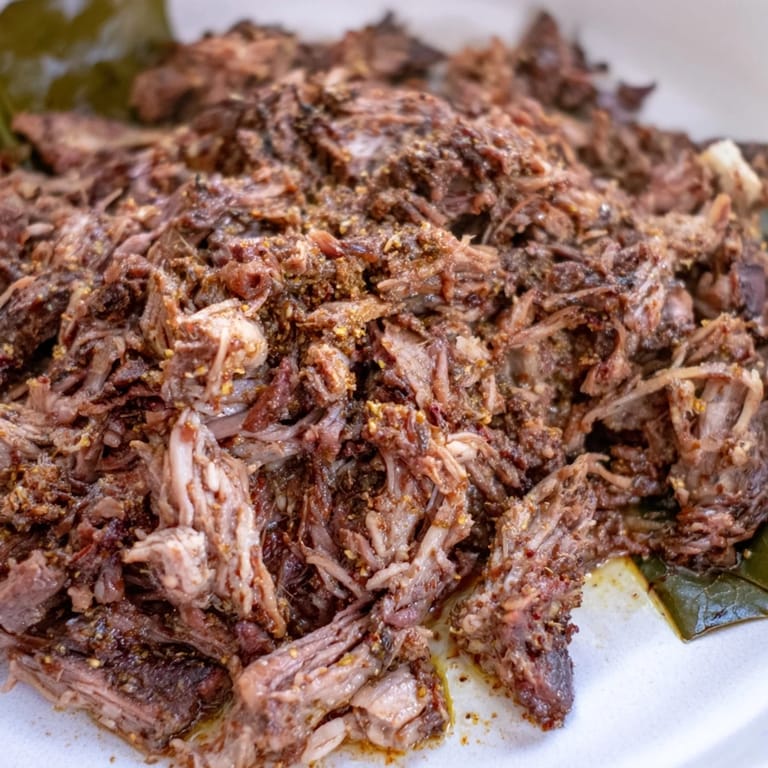
Save My first encounter with Omani Shuwa happened on a humid afternoon at a family friend's home in Muscat, where the aroma of spices and slow-cooked meat drifted through the courtyard long before lunch was served. I watched as the matriarch unwrapped banana leaves from a massive bundle of meat so tender it fell apart at the gentlest touch, and I was completely captivated by how simple ingredients transformed into something so profound. Years later, when I finally attempted it in my own kitchen, I understood why this dish commands such reverence—it's not just food, it's patience made edible. The spice blend alone told stories of trade routes and family secrets passed down through generations. Now, whenever I make Shuwa, I'm transported back to that courtyard and forward into my own kitchen memories all at once.
I remember calling my Omani neighbor in a panic at hour three of cooking, convinced something had gone terribly wrong because the house smelled almost medicinal from the spices—she laughed and told me that's exactly when you know it's working. By hour five, that sharp spice aroma had mellowed into something warm and inviting, and when I finally unwrapped those banana leaves, the transformation was so complete that I just stood there, stirring the meat with my fork in disbelief.
Ingredients
- 2.5 kg bone-in lamb shoulder or leg: Bone-in cuts stay incredibly moist during the long cook, and the bone adds subtle depth to the meat itself.
- 4 tbsp garlic paste: Fresh paste works infinitely better than jarred; the minced garlic stays vibrant rather than turning bitter.
- 2 tbsp ginger paste: This cuts through the richness and adds a gentle heat that builds beautifully over hours of cooking.
- 2 tbsp ground coriander, 1.5 tbsp ground cumin, 1 tbsp ground cinnamon, 1 tbsp ground cardamom: These four spices form the heart of Shuwa; buy whole seeds and grind them yourself if you have time, as the flavor difference is remarkable.
- 1 tbsp ground black pepper, 2 tsp ground cloves, 2 tsp paprika, 1 tsp turmeric, 2 tsp chili powder: These supporting spices add layers and warmth without any single one dominating the final taste.
- 2 tsp salt: Add conservatively since the meat will concentrate flavors as it cooks, and you can always season the final dish.
- 1/4 cup white vinegar and juice of 2 lemons: The acid tenderizes the meat and brightens the heavy spice blend beautifully.
- 1/4 cup vegetable oil: This helps the marinade penetrate and keeps the meat moist from the inside out.
- 4–6 large banana leaves: These impart a subtle, almost floral sweetness and prevent the meat from drying out; if you can't find them, parchment paper works but foil loses that authentic element.
Tired of Takeout? 🥡
Get 10 meals you can make faster than delivery arrives. Seriously.
One email. No spam. Unsubscribe anytime.
Instructions
- Mix Your Spice Marinade:
- Combine all the spices, vinegar, oil, and citrus juice in a large bowl, stirring until you have a thick, fragrant paste that coats the back of a spoon. Take a moment to smell it—that aroma is your guide to what's coming.
- Score and Season the Meat:
- Using a sharp knife, make deep cuts all over the meat, spacing them about two inches apart and going at least halfway through the flesh. This is crucial because it lets the marinade penetrate deep rather than just coating the surface, and the cuts will collapse as the meat cooks, creating pockets of intense flavor.
- Marinate Generously:
- Rub the marinade all over the meat and really work it into every cut you've made, using your hands to push it deep into the flesh. Cover the bowl tightly and refrigerate for at least 8 hours, though 24 hours is the sweet spot if your schedule allows.
- Prepare Your Oven and Wrapping:
- Preheat your oven to 160°C (320°F) and quickly blanch your banana leaves in hot water for just a minute to soften them—this makes them pliable and prevents cracking.
- Wrap with Care:
- Layer the banana leaves to create a complete seal around the meat, overlapping them so there are no gaps where steam can escape. Secure with kitchen twine or wrap tightly in foil, creating a package that feels sturdy and sealed.
- Roast Low and Slow:
- Place the wrapped meat in a deep roasting pan, cover with a lid or additional foil, and roast for 4 to 6 hours depending on the exact thickness of your meat. The kitchen will slowly fill with an aroma so rich and complex that you'll keep opening the oven door just to check on it.
- Unwrap and Serve:
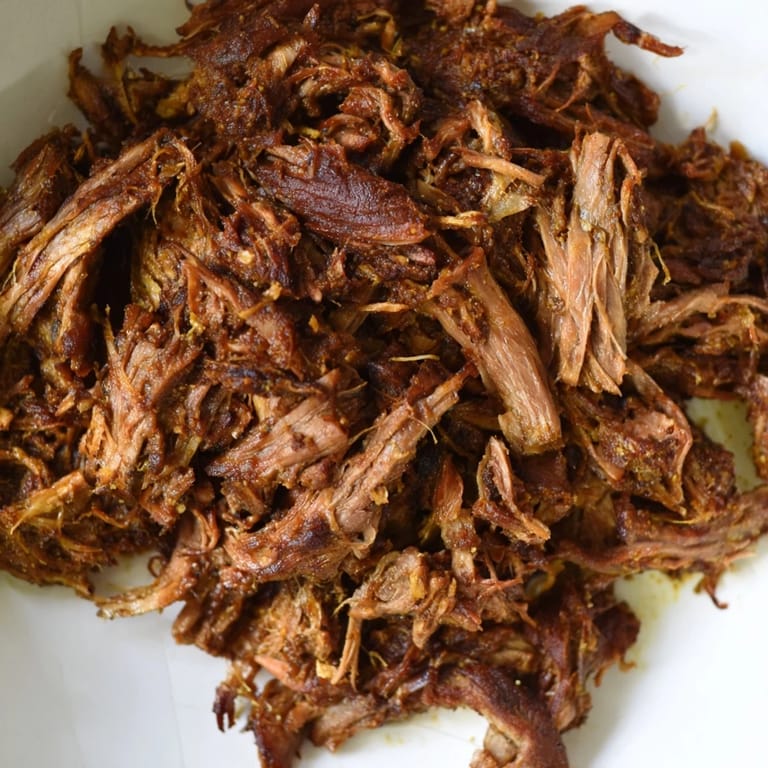
- Once the meat shreds easily with a fork and has pulled away from the bones, remove it from the oven and let it rest for 10 minutes before unwrapping. The cooking liquid that collects in the package is liquid gold—spoon some over the meat when you serve it.
 Save
Save The moment I served my first homemade Shuwa to guests, watching their faces as they took that first bite, I finally understood why my Omani friend had been so patient teaching me. Food that requires this much time and attention carries weight—it means something because you put something of yourself into every hour it spent cooking.
Building Deeper Flavor
One night, I experimented with toasting my spices before grinding them, and the difference was profound—a depth I hadn't achieved before. Even if you're using pre-ground spices, warming them gently in a dry pan for 30 seconds before mixing your marinade will wake them up and make the entire dish taste more alive. This small step is the difference between a good Shuwa and one that tastes like you've been cooking in that Omani courtyard yourself.
Timing and Patience
The hardest part of making Shuwa isn't the technique—it's the waiting. I learned to embrace the marinating time as a gift rather than an obstacle, using it to prep side dishes or simply sit with anticipation. When you finally smell that meat cooking, you'll understand why this dish has survived centuries of tradition unchanged; some things don't need improvement, just respect for the process.
Serving and Variations
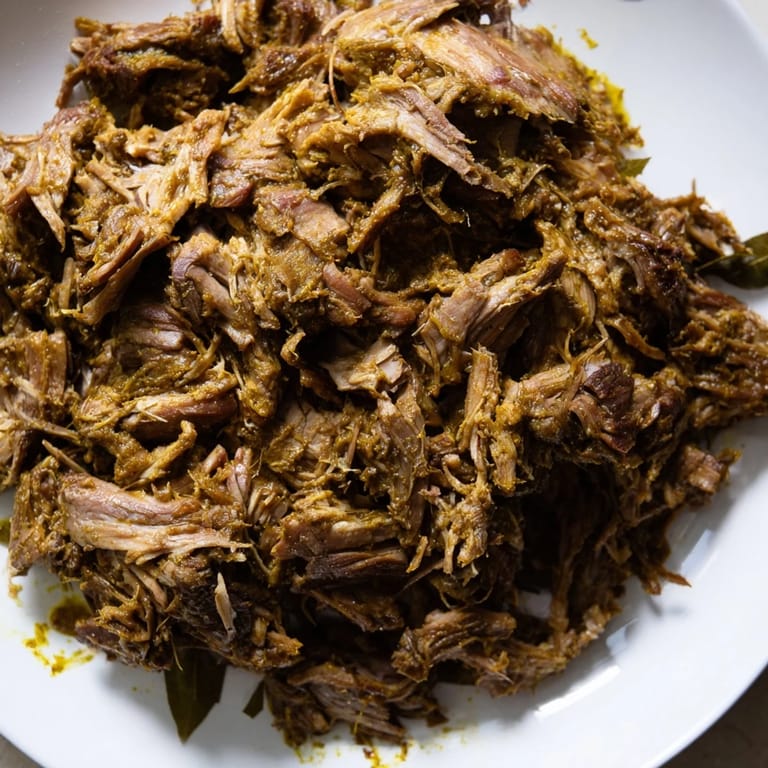
Shuwa shines brightest when served with fragrant rice that's soaked up the cooking liquid, alongside fresh salads and creamy yogurt sauce that cools the spice. The meat is so tender that it pairs beautifully with both traditional flatbread and simple white rice, depending on your mood. If you're feeling adventurous, try grilling the unwrapped meat briefly before serving for a whisper of smokiness that echoes the dish's desert oven origins.
- Pour the cooking liquid over the rice instead of discarding it—this is where half the magic lives.
- Make extra marinade and freeze it for your next batch, since the spice combination is worth keeping on hand.
- Leftovers shred beautifully into rice bowls or flatbread sandwiches the next day, often tasting even more integrated than the first meal.
 Save
Save Every time I make Shuwa, I'm reminded that the most meaningful dishes are the ones that ask something of you—your time, your attention, your willingness to trust a process that spans continents and centuries. This is food that rewards patience with tenderness.
Recipe Guide
- → What type of meat is best for Omani Shuwa?
Bone-in lamb shoulder or leg is ideal for its tenderness and flavor absorption, but beef or goat can be used as alternatives.
- → Why are banana leaves used in this dish?
Banana leaves help retain moisture and impart a subtle earthy aroma during slow cooking, enhancing the dish's authenticity.
- → How long should the meat marinate?
Marinating between 8 to 24 hours allows the spices to deeply infuse the meat, resulting in richer taste and tenderness.
- → Can I substitute banana leaves if unavailable?
Parchment paper or heavy-duty foil can replace banana leaves, though they won't provide the same unique flavor profile.
- → What temperature and duration are recommended for roasting?
Roasting at 160°C (320°F) for 4 to 6 hours slowly cooks the meat until it is meltingly tender.
- → Are there ways to add smokiness to the dish?
Briefly grilling the unwrapped meat before serving can impart a smoky flavor reminiscent of traditional cooking methods.