 Save
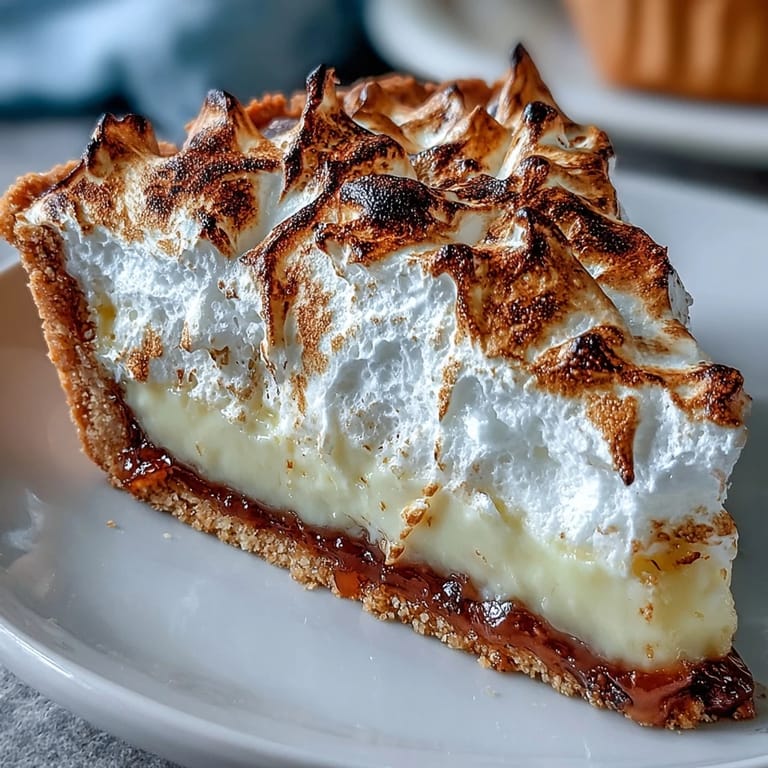
Save There's something magical about watching someone's face light up when they taste lemon meringue pie for the first time. Years ago, my neighbor brought one to a potluck, and I watched grown adults go quiet mid-conversation just to savor another bite. That's when I decided I needed to master it myself, golden meringue peaks and all. The combination of tangy filling and airy topping felt impossible at first, but once I understood the rhythm of it, this became my go-to dessert for showing off in the kitchen without actually trying too hard.
I made this pie for my mother's birthday dinner, and my dad actually asked for the recipe, which had never happened before. He kept going on about how it reminded him of a bakery in San Francisco they visited in the seventies. Watching them share a slice while laughing about old memories reminded me that food isn't really about impressing people—it's about giving them permission to feel something good.
Ingredients
- All-purpose flour (1 1/4 cups): This is your crust foundation, and keeping it cold is the secret to flakiness.
- Cold unsalted butter (1/2 cup cubed): The temperature matters more than you'd think; if it's not cold, your crust won't have those beautiful layers.
- Ice water (3-4 tablespoons): Add it slowly and stop the moment your dough comes together—overworking it turns magic into toughness.
- Granulated sugar (1 cup for filling): This balances the lemon's pucker and creates the silky texture you're after.
- Cornstarch (1/4 cup): This thickens the filling without making it gummy or starchy-tasting.
- Fresh lemon juice (1/2 cup): Bottled juice is fine, but freshly squeezed makes a noticeable difference in brightness.
- Egg yolks (4 large): They create that rich, custardy filling texture—don't skip the yolks for the filling.
- Lemon zest (2 teaspoons): Adds floral notes that make people wonder what the secret ingredient is.
- Egg whites (4 large, room temperature): Cold egg whites won't whip into clouds, so let them sit out for 15 minutes.
- Cream of tartar (1/4 teaspoon): This stabilizes the meringue and keeps it from weeping or breaking down.
- Vanilla extract (1/2 teaspoon): A small amount softens the sweetness without making it taste like vanilla cake.
Tired of Takeout? 🥡
Get 10 meals you can make faster than delivery arrives. Seriously.
One email. No spam. Unsubscribe anytime.
Instructions
- Build your crust with intention:
- Combine flour, salt, and sugar, then cut in the cold butter until everything looks like coarse breadcrumbs—this step determines whether your crust will be flaky or dense. Add ice water one tablespoon at a time, mixing gently with a fork until the dough just barely holds together; you want visible butter pieces, not a smooth ball.
- Chill and roll with patience:
- Wrap your dough disk and refrigerate for at least an hour so the gluten relaxes and the butter stays firm. When you roll it out on a floured surface, work gently and only until it fits your pie dish—you're not making a tortilla.
- Pre-bake for structural strength:
- Line your rolled crust with parchment and fill it with pie weights or dried beans, then bake at 400°F for 15 minutes. Remove the weights and bake another 8 to 10 minutes until it's golden and set; this prevents a soggy bottom later.
- Create the lemon filling with smooth technique:
- Whisk sugar, cornstarch, and salt together in a saucepan, then gradually add water while whisking to avoid lumps. Cook over medium heat, stirring constantly, until the mixture thickens and bubbles—this takes about 5 to 7 minutes and your arm will know when it's done.
- Temper those egg yolks carefully:
- Whisk your egg yolks in a separate bowl, then slowly drizzle in a little of the hot mixture while whisking constantly so the yolks warm up gently. Pour the yolk mixture back into the saucepan and cook for 2 more minutes, stirring, so everything blends into silky custard.
- Finish the filling with brightness:
- Remove from heat and stir in lemon zest, fresh lemon juice, and butter until everything is smooth and glossy. Pour this into your cooled crust and let it settle while you move on to the meringue.
- Whip meringue into fluffy peaks:
- In a completely clean bowl (any butter or yolk residue will sabotage you), beat egg whites and cream of tartar on high speed until soft peaks form, then gradually add sugar while beating. Continue beating until you have stiff, glossy peaks that hold their shape—this takes a couple of minutes and sounds like commitment.
- Seal the meringue edge:
- Spread the meringue over the warm filling, making sure it touches the crust all the way around so it seals and won't shrink. Create those rustic peaks and swirls with the back of a spoon if you like the look.
- Bake until golden:
- Bake at 350°F for 15 to 18 minutes until the meringue is light golden brown on top. Cool to room temperature on the counter, then refrigerate for at least 2 hours before slicing so the filling sets and you get clean, beautiful cuts.
 Save
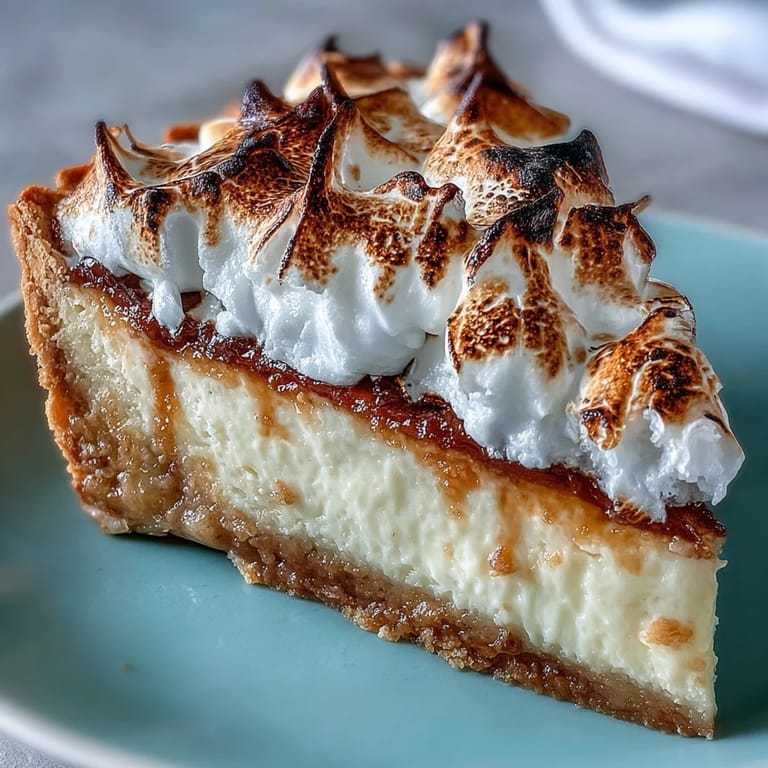
Save My sister's daughter asked for this pie for her tenth birthday, and I made it the night before, terrified I'd mess it up under pressure. When she bit into it, she closed her eyes like it was the first time she'd ever tasted anything, and whispered that it was perfect. That's when I realized this pie isn't really about technique or impressing people—it's about creating a moment where someone feels genuinely taken care of.
The Crust Secret
Pastry crust is one of those things that seems fussy but rewards patience in the most satisfying way. The key is keeping everything cold and working quickly—if your butter warms up and melts into the flour, you lose those beautiful flaky layers. I learned this the hard way after my first three attempts turned into dense, cookie-like crusts that made me want to quit.
Getting Lemon Filling Just Right
The filling is where acidity and sweetness need to balance like a conversation between two people who actually listen to each other. Too much lemon juice and the filling tastes like concentrated citrus; too little and it becomes overly sweet and one-dimensional. Fresh lemon zest adds a subtle floral complexity that bottled juice can never quite capture, and I always grate it over the filling at the end so the oils don't cook away.
Meringue Magic and Common Pitfalls
Meringue has a reputation for being temperamental, but it's really just finicky about its boundaries—kind of like a talented artist. A tiny drop of egg yolk or any fat will prevent the whites from whipping, so washing your bowl and beaters in hot soapy water is actually the difference between clouds and soup. The cream of tartar stabilizes everything and prevents that grainy, separated texture that makes people lose faith in meringue forever.
- Spread meringue onto warm (not hot or cold) filling so it sets properly without sweating or shrinking.
- If you see brown speckles appearing too quickly during baking, lower your oven temperature by 25 degrees and bake a few minutes longer.
- Store any leftovers in the refrigerator and eat within two days, as meringue gets soft and weepy over time.
 Save
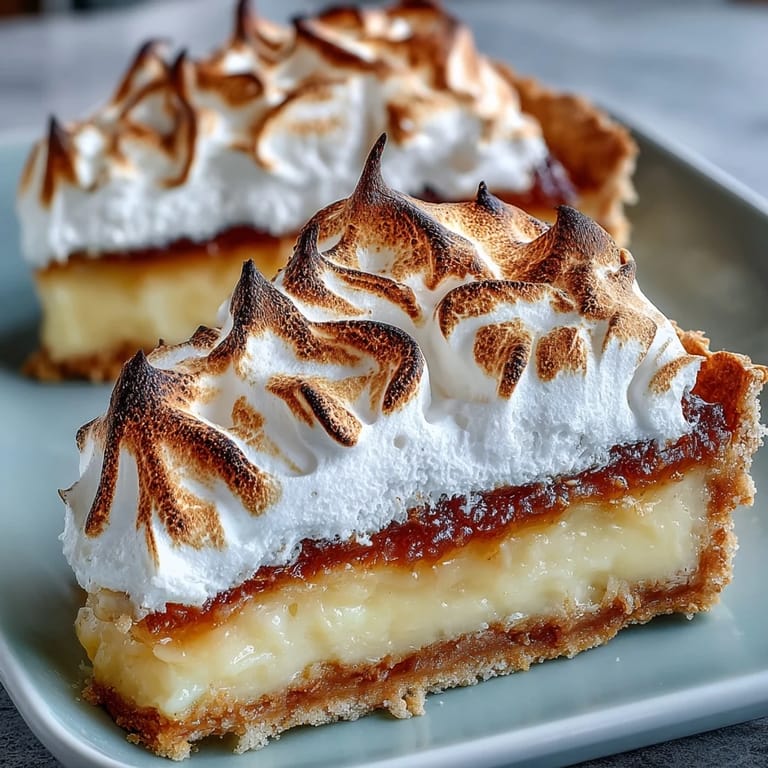
Save This pie is one of those recipes that teaches you something about patience, precision, and the quiet joy of doing something well just to see someone smile. Make it when you want to feel capable in the kitchen.
Recipe Guide
- → How do I prevent the meringue from weeping?
Spread the meringue over warm filling and seal it completely to the crust edges. This prevents moisture from forming between layers. Bake immediately after assembling and allow the pie to cool gradually at room temperature before refrigerating.
- → Can I make the crust ahead of time?
Yes, you can prepare and bake the crust up to 2 days in advance. Store it covered at room temperature. You can also freeze the unbaked dough for up to 3 months, then thaw in the refrigerator before rolling and baking.
- → Why is my lemon filling runny?
The filling needs to cook long enough for the cornstarch to fully activate and thicken. Stir constantly and cook until the mixture visibly thickens and bubbles. After adding the egg yolks, continue cooking for 2 full minutes to ensure proper consistency.
- → What's the best way to get stiff meringue peaks?
Use room temperature egg whites in a completely clean, grease-free bowl. Add cream of tartar before beating, then gradually add sugar once soft peaks form. Continue beating until the meringue is glossy and holds stiff peaks that stand upright when the beater is lifted.
- → How should I store leftover pie?
Cover loosely with plastic wrap or place in a cake dome and refrigerate for up to 3 days. The meringue is best within the first 24 hours. Avoid freezing as the meringue texture will deteriorate and become watery when thawed.
- → Can I use bottled lemon juice instead of fresh?
Fresh lemon juice is strongly recommended for the brightest, most vibrant flavor. Bottled juice often contains preservatives that can affect taste and may not provide the same tangy intensity that makes this dessert shine.