 Save
Save The first time I tasted al madrooba, I was standing in a cramped kitchen in Dubai during Ramadan, watching my neighbor's mother work her wooden spoon with the kind of confident rhythm that only comes from decades of practice. She didn't measure anything—just knew when the dates had surrendered completely to the ghee, transforming into something almost impossibly smooth and glossy. I remember the cardamom hitting the air just before she pulled the pan off the heat, and how she handed me a warm spoonful with the simple statement that this was breakfast for people who understood energy.
I made this for friends who'd never had it, and the moment they tasted it on warm flatbread, something shifted in the room. They stopped talking. That's when I realized this dish does something quiet and powerful—it just makes people slow down and notice what they're eating. Now I keep dates and ghee stocked like someone keeps coffee, because this has become my answer to the question of what to make when someone needs feeding.
Ingredients
- Medjool dates (400 g, pitted): Use soft, fresh ones if you can find them—they break down into silk instead of fighting you. I learned this the hard way with dried-out dates that turned into date rocks instead of paste.
- Ghee (3 tbsp): This is the foundation, the thing that turns mashed fruit into something luxurious. Make sure it's genuinely clarified or the flavor gets muddy.
- Ground cardamom (1/2 tsp): Optional but absolutely worth it—this is what makes it taste like memory.
- Sea salt (pinch): Just enough to wake up the sweetness without announcing itself.
Tired of Takeout? 🥡
Get 10 meals you can make faster than delivery arrives. Seriously.
One email. No spam. Unsubscribe anytime.
Instructions
- Pit and prep your dates:
- If they're not already pitted, split them open and remove the pit—or use a food processor if you want them almost pre-broken. Coarsely chop them; they don't need to be perfect.
- Warm the ghee gently:
- Medium heat is your friend here. You'll see it shimmer and smell something faintly nutty when it's ready. Too hot and you've scorched something precious; too cool and the dates just sit there.
- Mash and stir into existence:
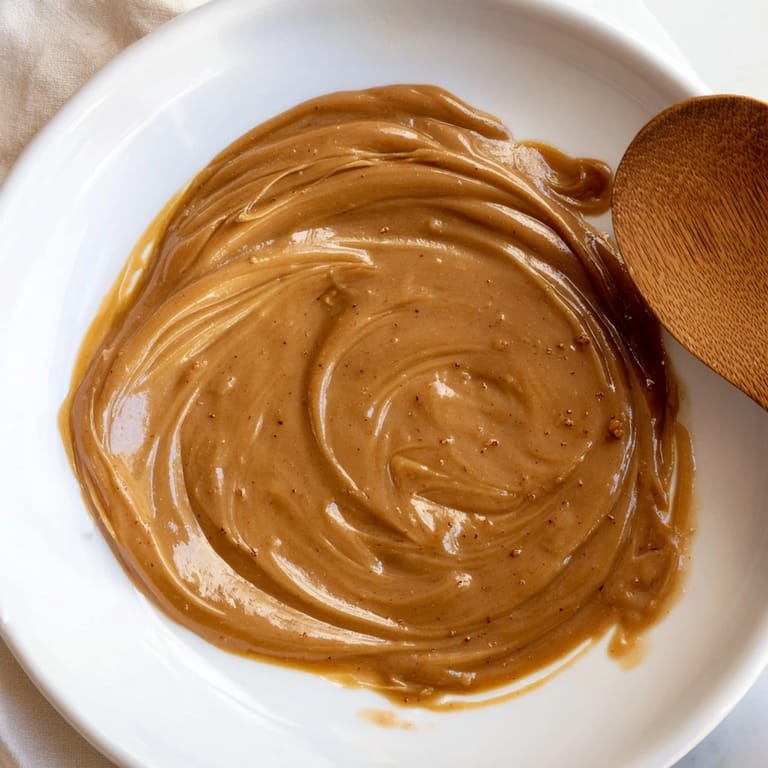
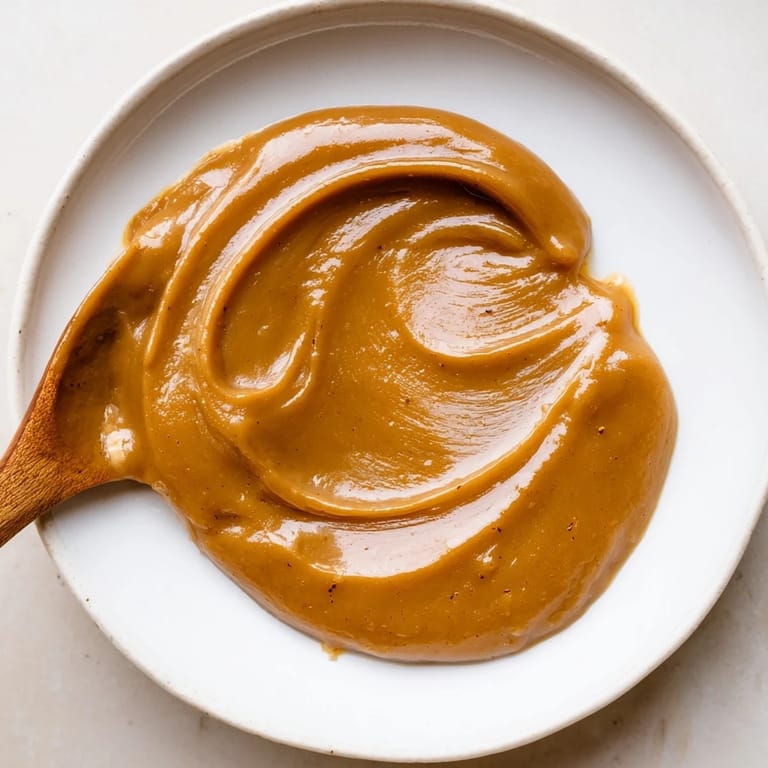
- Add the dates to the warm ghee and start working them with a wooden spoon. At first they'll be chunky, stubborn pieces, but keep stirring and they'll soften, then collapse into themselves. Three to five minutes in, you'll feel it happen—the texture suddenly becomes creamy and you'll think you've done something impossible.
- Add cardamom and salt:
- Sprinkle them in once the paste is glossy and thick. Keep stirring just long enough for the spice to distribute evenly, maybe 30 seconds more.
- Rest and serve:
- Pull it off the heat and let it cool for a few minutes. It'll firm up slightly as it cools, which is exactly what you want. Serve it warm with bread, or spoon it straight into a bowl and eat it like the comfort food it is.
 Save
Save I've made this on mornings when nothing felt right, and somehow spooning it onto warm bread fixed something I didn't know was broken. There's something about food made from three ingredients, stirred with intention, that reminds you why we eat in the first place.
The Ghee Matters More Than You Think
Not all ghee tastes the same. If you can find Emirati or Indian ghee, buy it. The flavor is more pronounced, more buttery in a way that makes the dates sing instead of whisper. I once tried making this with generic clarified butter and it tasted vaguely like I was forgetting something—turns out I was forgetting the soul of the dish. The ghee isn't an ingredient; it's the reason this works at all.
Why This Is Breakfast, Not Dessert
Dates are pure carbohydrate energy. The ghee adds fat that keeps you full and slows down how your body processes all that natural sugar. Together they're designed to power someone through a morning of work, not crash them into afternoon regret. In Emirati culture, this shows up on the breakfast table because it makes sense—it's nourishing in a way that cake never could be, even though it tastes indulgent enough to be dessert.
The Small Variations That Actually Matter
Once you understand how this works, you can bend it slightly without breaking it. Coconut oil instead of ghee gives you a lighter, almost tropical version. Crushed pistachios stirred in at the end add a crunch that some mornings demand. I've even added a tiny pinch of rose water when I wanted to push it toward something fancier, though the purists in my life pretended not to notice.
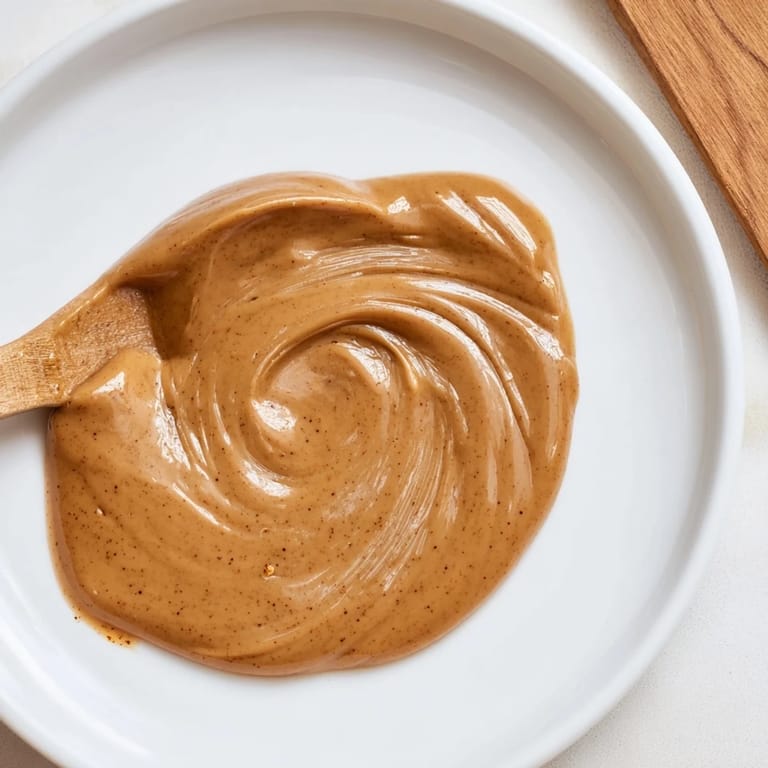
- If you want it firmer for spreading, cook it slightly longer until it cools to a paste you can almost spoon onto bread.
- Make it ahead and store it in a glass container—it keeps for nearly a week and tastes even better the next day.
- Warm it gently before serving if you've refrigerated it; cold paste loses some of its charm.
 Save
Save This is the kind of dish that makes you realize some of the best food in the world is the simplest, the kind that doesn't need your permission to be good because it just is. Keep dates and ghee in your kitchen the way you keep salt and oil.
Recipe Guide
- → What is the texture of Al Madrooba?
It has a smooth, creamy texture achieved by mashing cooked dates into a thick paste with melted ghee.
- → Can I add spices to Al Madrooba?
Yes, ground cardamom and a pinch of salt are commonly added to enhance its aromatic profile.
- → What alternatives exist for ghee in this dish?
Unsalted butter can substitute ghee for a milder taste, while coconut oil suits vegan variations.
- → How is Al Madrooba served traditionally?
It's typically served warm or at room temperature with flatbreads like khameer or pita.
- → Can nuts be incorporated into the dish?
Chopped pistachios or almonds can be added for texture and a nutty flavor.