 Save
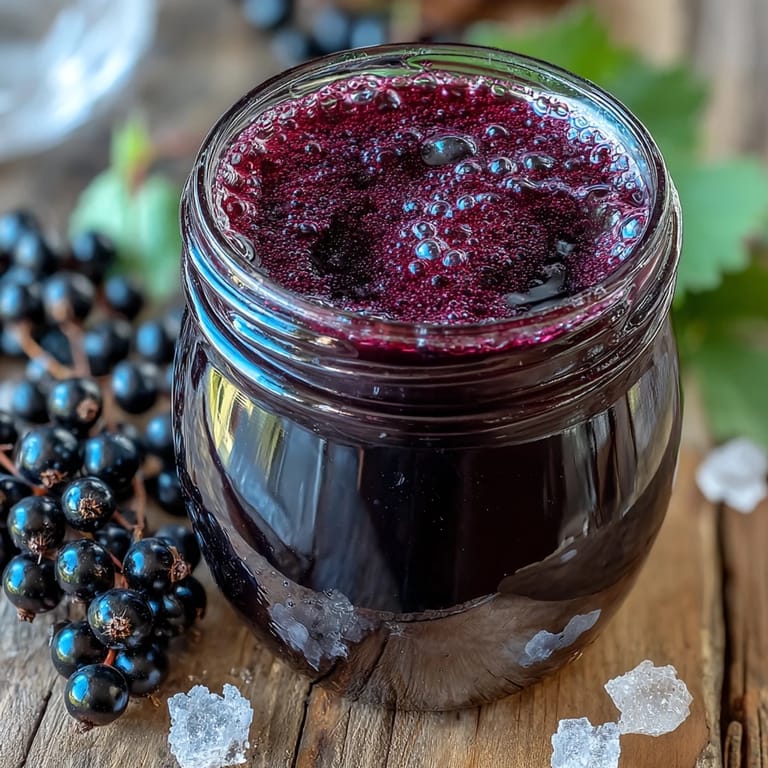
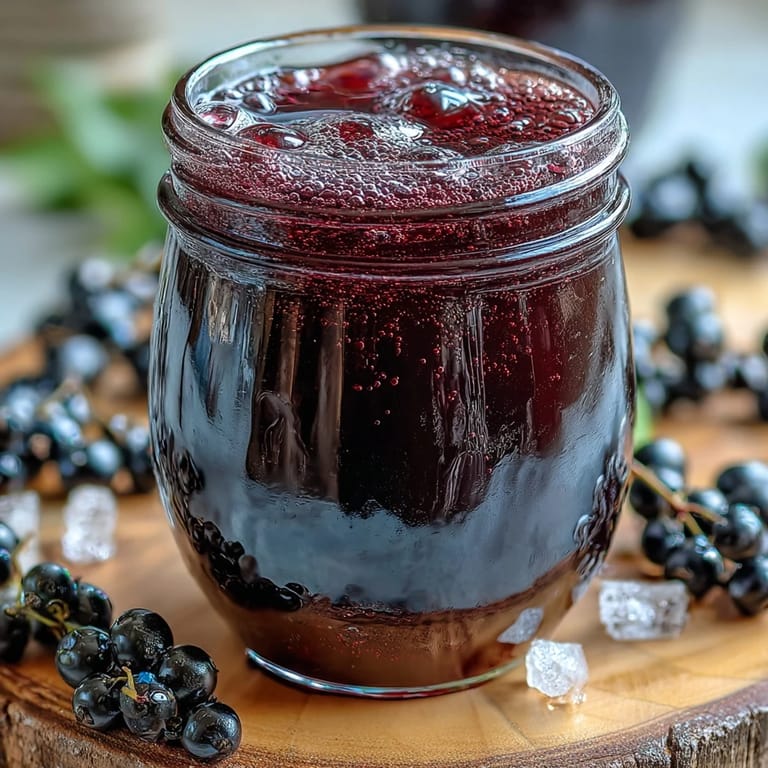
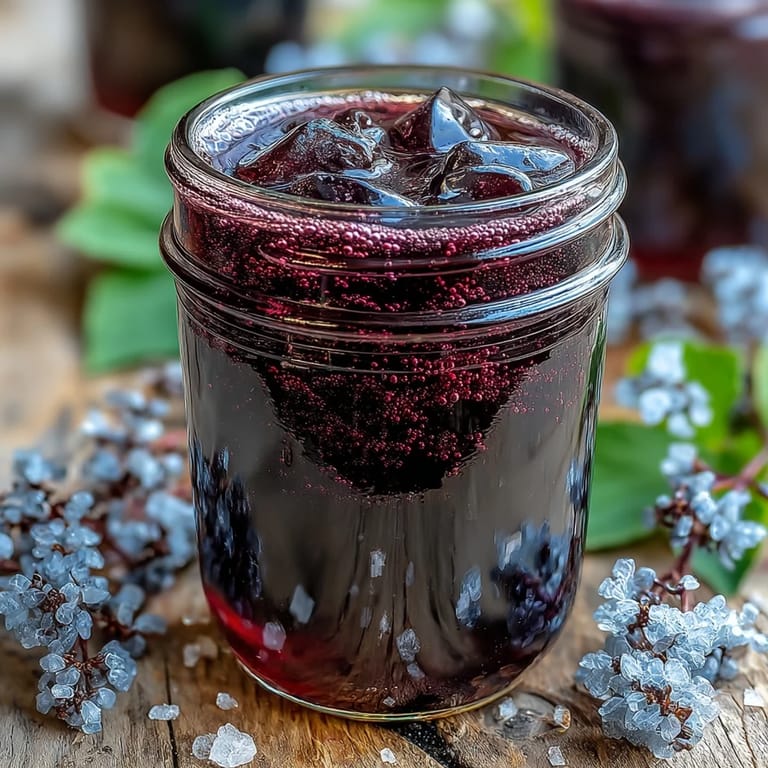
Save My partner stood in the kitchen one summer afternoon, holding a container of black currants from the farmers market, wondering aloud what to do with them before they went soft. I remembered a shrub recipe I'd read years ago but never tried, and something about that moment—the way the berries caught the light, the challenge of using them before they spoiled—made me want to finally attempt it. Three days later, we had this luminous, dark purple liquid that tasted like summer concentrated into a bottle, and suddenly we were inventing cocktails and pouring it over ice water like it was liquid gold.
I made this shrub for a dinner party where I'd promised to bring something unexpected, and watching guests taste it for the first time—that slight pause, then the brightening of their faces when they realized what they were tasting—reminded me why I love cooking at all. Someone asked for the recipe that night, and I realized I was handing them not just ingredients but a small piece of something I'd learned by being patient enough to wait three days for fruit and vinegar to become friends.
Ingredients
- Fresh or frozen black currants (1 cup, about 150 g): Rinsed and stemmed, these berries are the whole point—their tartness and floral notes are what make a shrub taste alive instead of cloying. Frozen work beautifully if fresh aren't available, and honestly they might even release juice more readily since the freezing breaks down their cell walls.
- Granulated sugar (1 cup, about 200 g): This draws moisture from the berries through osmosis, creating a fruit syrup that will be the backbone of your shrub. The ratio matters because too little sugar won't extract enough juice, and too much makes the final drink cloyingly sweet.
- Apple cider vinegar or red wine vinegar (1 cup, 240 ml): Red wine vinegar deepens the shrub into something more complex and wine-like, while apple cider vinegar keeps things bright and approachable. I find myself reaching for red wine vinegar when I want drama and apple cider when I want people to actually want to drink it.
Tired of Takeout? 🥡
Get 10 meals you can make faster than delivery arrives. Seriously.
One email. No spam. Unsubscribe anytime.
Instructions
- Mash the fruit with sugar and let time do the work:
- Combine your black currants and sugar in a bowl or jar, then stir and lightly mash the berries—you're not making jam, just encouraging them to start releasing their juice. Cover and refrigerate for a full 24 to 48 hours, stirring occasionally, and watch as the sugar slowly dissolves and the mixture transforms into something dark and fragrant.
- Strain out the solids carefully:
- Pour everything through a fine-mesh sieve or cheesecloth into a clean bowl, pressing gently on the berries to coax out every drop of syrup. If you're fussy about texture, you can strain a second time, but honestly the first strain gives you plenty of clarity.
- Marry the syrup with vinegar:
- Pour your strained fruit syrup into a clean jar and add the vinegar, stirring to combine completely. Seal it up and refrigerate for at least 24 hours while the sharp vinegar notes soften and marry with the sweet fruit, creating something greater than either ingredient alone.
- Dilute and taste before serving:
- When you're ready to drink it, mix 1 to 2 tablespoons of shrub with still or sparkling water, tasting as you go to find your personal sweet spot. Some people love it stronger, others prefer it more dilute, and part of the fun is discovering which camp you're in.
 Save
Save The first time I served this to someone who grew up drinking real shrubs in Charleston, they closed their eyes after tasting it and told me I'd done the thing right—that the black currants weren't hiding under the vinegar but were actually singing alongside it. That conversation made me understand that a good shrub isn't about pretending the vinegar isn't there; it's about building a friendship between tartness and sweetness that feels inevitable once you taste it.
Choosing Your Vinegar Wisely
The vinegar you choose shapes everything about your finished shrub, and I've learned this through making batches side by side. Red wine vinegar gives you something deeper and more wine-like, almost elegant in a way that makes you want to serve it in proper glasses at dinner parties. Apple cider vinegar is gentler, with subtle apple undertones that complement the berries without competing, making it perfect for people who might be new to vinegary drinks or for situations where you want people to actually enjoy their beverage instead of approaching it like medicine.
The Art of Patience in Shrub-Making
There's something meditative about making a shrub because you can't rush it, and I've come to appreciate that constraint. The 24 to 48 hour maceration period isn't a suggestion—it's the time it takes for sugar to do its chemical work, breaking down the fruit's cell walls and releasing all those precious juices. Then the secondary fermentation, after the vinegar joins in, is when the shrub transforms from a collection of ingredients into something that tastes intentional and complete.
Building Your Shrub Experience
Once you've made your first batch, the real fun begins because a shrub is endlessly flexible—you can add it to cocktails, pour it over crushed ice with sparkling water, or even drizzle it over vanilla ice cream if you're feeling adventurous. I've also learned that homemade shrubs have a way of making ordinary drinks feel special, which is maybe the real secret: it's not just about flavor, it's about knowing you made something yourself that tastes like you cared. This shrub keeps beautifully in the refrigerator for up to three months, so you're not racing against time once it's made.
- Red wine vinegar creates a deeper, more wine-like flavor that feels sophisticated when you're trying to impress people.
- If fresh black currants aren't available, frozen ones work beautifully and might even release juice more readily due to the freezing process.
- Strain twice if you want a completely smooth shrub, but one careful straining is usually enough for most people.
 Save
Save Making a shrub taught me that some of the best kitchen projects aren't about complicated techniques or rare ingredients, but about understanding how a few simple things transform when given time and a little attention. Pour yourself a glass and know that you made something real.
Recipe Guide
- → What is a shrub?
A shrub is a concentrated syrup made from fruit, sugar, and vinegar that has been used for centuries as a refreshing beverage base. The vinegar acts as a preservative while adding a bright, tangy flavor profile that balances the fruit's natural sweetness.
- → How long does black currant shrub last?
Properly stored in a sealed container in the refrigerator, black currant shrub will keep for up to 3 months. The high acidity from the vinegar acts as a natural preservative, keeping the concentrate fresh and flavorful.
- → Can I use frozen black currants?
Absolutely. Frozen black currants work wonderfully and may actually release their juices more readily during the maceration process. Simply thaw them slightly before combining with the sugar, or use them frozen—they will break down as they macerate.
- → What's the best vinegar to use?
Apple cider vinegar produces a milder, fruitier result that complements the black currants beautifully. Red wine vinegar yields a deeper, more robust flavor. Choose based on your preference—both work excellently in this preparation.
- → How should I serve black currant shrub?
Mix 1-2 tablespoons of shrub into a glass of still or sparkling water for a refreshing non-alcoholic beverage. It also shines in cocktails, adding complexity and brightness. Adjust the amount to your taste preferences for the perfect balance of sweet and tart.
- → Can I substitute other sweeteners?
Yes, honey or maple syrup can replace granulated sugar for different flavor profiles. Keep in mind that liquid sweeteners may slightly alter the final consistency, and honey adds its own distinct floral notes that complement the black currants.