 Save
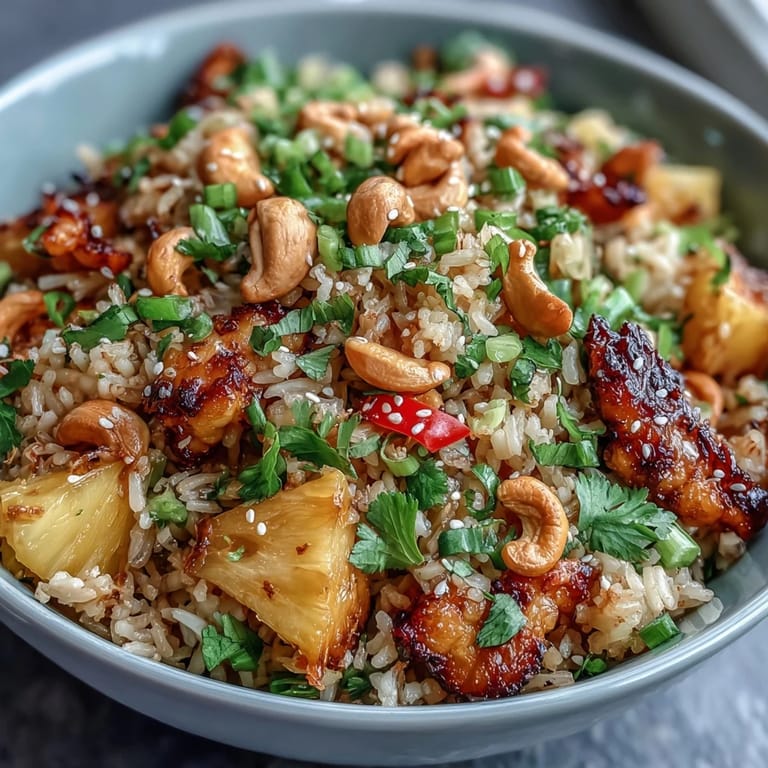
Save My friend texted me a photo of a hollowed-out pineapple half filled with vibrant fried rice, and I knew I had to figure out how to make it work in my tiny apartment kitchen. What started as a curiosity about whether cauliflower could actually taste good in a stir-fry turned into something I now make twice a month, especially when I want color on my plate without guilt. The first time I made this, I was skeptical about the pineapple, thinking it would be too sweet, but that little pop of tartness balanced everything perfectly. Now I can't imagine fried rice without it.
I made this for a potluck where everyone claimed to be on some kind of diet, and watching people go back for thirds without realizing how many vegetables they were eating felt like a small victory. One guest asked if it was actually vegan, and when I said yes, she looked genuinely confused because apparently vegetables didn't have to taste like deprivation. That moment reminded me why I love cooking food that doesn't announce its health benefits but quietly delivers them anyway.
Ingredients
- Cauliflower, riced: This is your rice substitute, and the trick is pulsing it in a food processor rather than grating by hand, which saves your knuckles and gives you better texture.
- Pineapple, diced: Fresh is ideal for that juicy burst, but canned drained pineapple works just fine and keeps longer in your pantry.
- Edamame: These little green beans are protein powerhouses and add a pleasant chew that makes the dish feel substantial.
- Red bell pepper and carrot: They soften slightly without turning mushy, and they're doing the real work of bringing sweetness and depth.
- Green onions: Save the white parts for sautéing early and scatter the green parts at the end for a fresh, oniony bite.
- Garlic and ginger: These two are the backbone of the flavor, so don't skip them or go too light.
- Tamari and sesame oil: Tamari is soy sauce without the wheat, and the sesame oil is non-negotiable for that toasted, slightly nutty aroma that makes everything feel intentional.
- Rice vinegar and sriracha: Vinegar brightens everything up, and sriracha is there if you want a quiet heat that builds as you eat.
- Cashews or peanuts: The crunch factor that makes you want another bite, so don't skip this garnish.
Tired of Takeout? 🥡
Get 10 meals you can make faster than delivery arrives. Seriously.
One email. No spam. Unsubscribe anytime.
Instructions
- Pulse your cauliflower into rice:
- Cut your cauliflower into chunks and pulse them in a food processor until they look like actual rice grains. You're going for texture here, not mush, so don't overdo it.
- Heat your wok or skillet:
- Get your large nonstick skillet or wok screaming hot over medium-high heat, then add the sesame oil. You'll know it's ready when a little piece of ginger sizzles immediately.
- Bloom your aromatics:
- Throw in the garlic, ginger, and white parts of the green onions. Stir constantly for about a minute until the smell hits you all at once, which is your cue to move on.
- Soften the harder vegetables:
- Add the diced carrot and bell pepper, and keep stirring for 2 to 3 minutes until they've lost their raw edge but still have some resistance. This is not the time to look at your phone.
- Cook the cauliflower:
- Add your riced cauliflower and stir like you mean it, making sure everything gets a coat of that toasted oil. Cook for 4 to 5 minutes, stirring frequently, until it's tender but not sad and waterlogged.
- Bring everything else in:
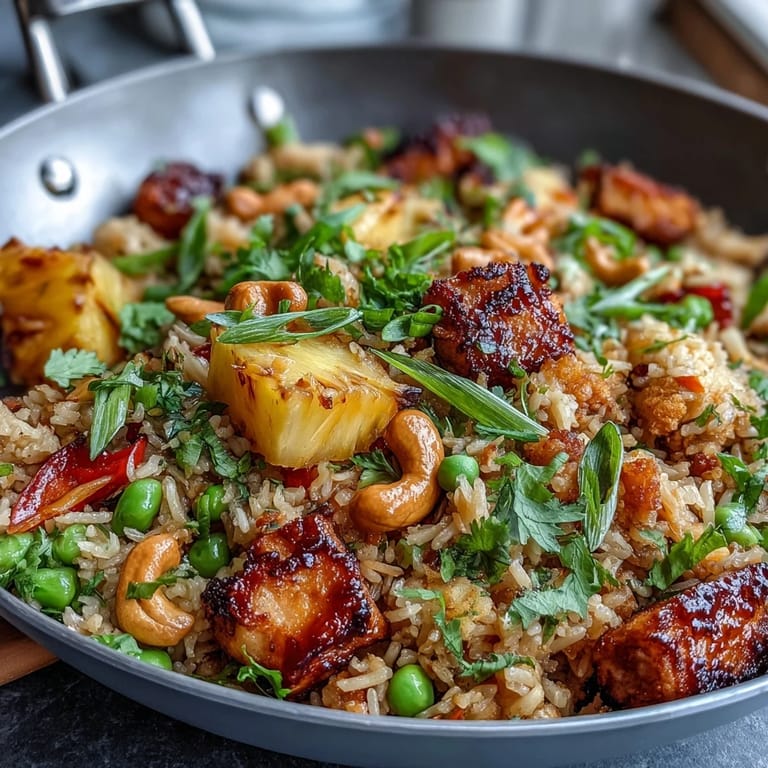
- Toss in the peas, edamame, and pineapple. Let it all warm through for 2 to 3 minutes, which is just enough time to make sure nothing's cold when you serve it.
- Build your sauce:
- Pour in the tamari, rice vinegar, and sriracha if you're using it. Toss everything together until every grain has that golden coating and the kitchen smells like a really good takeout place.
- Finish with freshness:
- Remove from heat, stir in the green parts of your green onions and half the cilantro. This step is what makes it taste alive rather than just cooked.
- Plate and garnish:
- Divide among bowls and top with cashews, remaining cilantro, and a lime wedge. Squeeze that lime over everything right before you eat it.
 Save
Save There was a quiet moment after everyone had eaten when my roommate leaned back and said, "I don't even miss rice," which felt like the highest compliment someone could give a cauliflower dish. It's become the meal I make when I want to feel accomplished but not stressed, when I want to eat something colorful and nourishing without the heaviness.
Why This Works as a Weeknight Meal
Most of the prep is just chopping, which you can do while listening to a podcast or chatting with someone in the kitchen, and then the actual cooking happens so fast that you're rarely standing over the stove for more than 10 minutes. The ingredients are things you can usually find without a special trip, and if you keep frozen edamame and peas on hand, you're only really dependent on having a cauliflower head. There's something satisfying about taking humble vegetables and turning them into something that looks like it took effort but didn't.
Playing with the Flavors
The beauty of this dish is how flexible it is with heat and flavor intensity, so you can adjust it based on your mood or who's eating it. If you're cooking for people who don't like spice, you can skip the sriracha entirely and just let the ginger and garlic carry the aroma. Some nights I add a splash more sesame oil at the end because I'm feeling indulgent, and other times I squeeze extra lime juice because I want brightness.
Make-Ahead and Storage Tips
This keeps beautifully in the fridge for up to three days, which means you can make a double batch and have easy lunches waiting for you. The cauliflower stays relatively firm, and the flavors actually deepen as they sit together overnight. Just reheat gently in a skillet with a little splash of water or sesame oil so it doesn't dry out.
- Store leftovers in an airtight container and reheat over medium heat rather than in the microwave to keep the texture intact.
- If you want to get fancy, serve it in hollowed-out pineapple halves for a presentation that makes people ask if you took a cooking class.
- You can meal-prep the chopped vegetables the night before, but keep the cauliflower rice separate so it doesn't get wet and compress.
 Save
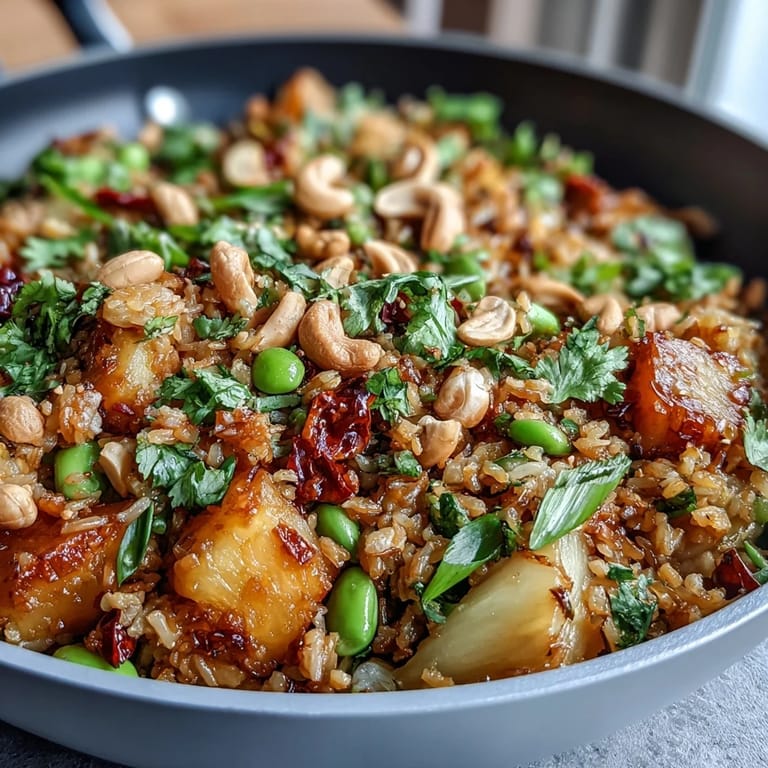
Save This is the kind of dish that sneaks into your regular rotation without you planning for it, becoming the meal you reach for when you want to feel good about what you're eating. Make it once, and you'll understand why it works.
Recipe Guide
- → Can I replace edamame with another protein?
Yes, you can swap edamame for tofu cubes or cooked chickpeas to maintain protein content while keeping the dish plant-based.
- → How do I prepare cauliflower rice?
Remove leaves and core from cauliflower, then pulse florets in a food processor until they resemble rice grains.
- → What oil is best for sautéing this dish?
Toasted sesame oil is ideal as it adds a rich, nutty flavor complementing the ingredients well.
- → Can I make this dish gluten-free?
Use tamari instead of soy sauce and ensure all other ingredients are gluten-free to keep the dish gluten-friendly.
- → How can I add extra texture to the dish?
Include diced water chestnuts or snap peas for a delightful crunch and added freshness.
- → What garnishes enhance this dish?
Chopped roasted cashews or peanuts, fresh cilantro or basil, and lime wedges brighten flavors and add texture.