 Save
Save There's something about spring that makes me crave bright, unexpected things on a plate. My neighbor brought over a handful of fresh broad beans one April morning, and I stood there in my kitchen thinking: what if I treated them like the Levantine cooks do, but made it entirely about the season? That's how this pea and broad bean shakshuka came to life, a dish that feels both rooted in tradition and entirely new. The first time I cracked eggs into that spiced tomato sauce studded with tender green vegetables, my daughter asked why everything smelled like a market in Jerusalem. I didn't have a good answer, only that some dishes just know where they belong.
I made this for a small dinner party on a Friday night when the weather finally turned warm, and what surprised me most was how the dish brought people together around the pan itself, not the table. Everyone wanted to watch the eggs set, wanted to catch that moment where the yolk was still trembling slightly. It became less about plating and more about sharing spoonfuls straight from the skillet, conversations overlapping, bread being torn and dipped without ceremony.
Ingredients
- Fresh or frozen peas, 1 cup: Sweet peas brighten everything they touch; frozen ones are actually preferable here because they're picked at peak ripeness and hold their shape beautifully through cooking.
- Fresh or frozen broad beans, 1 cup: Double-pod fresh broad beans if you can find them (peel away both the outer pod and the papery inner skin), but frozen ones save you enormous time and taste just as good.
- Asparagus, 1 bunch (about 200g), trimmed and cut into 2-inch pieces: The woody ends snap off naturally if you bend them gently; asparagus adds a subtle earthiness that anchors all the sweetness.
- Medium onion, 1, finely chopped: A red onion works beautifully here and adds a hint of color, though yellow onion is equally reliable.
- Red bell pepper, 1, diced: This is where the sauce gets its natural sweetness and a gentle body that feels luxurious without cream.
- Garlic cloves, 2, minced: Fresh garlic is non-negotiable; the moment you smell it hitting the spiced oil, you'll know you're on the right track.
- Chopped tomatoes, 1 can (400g): San Marzano tomatoes are worth seeking out, but any good quality canned tomato will do; avoid anything with added sugar.
- Tomato paste, 2 tablespoons: This concentrate deepens the sauce and adds body without the acidity of more liquid tomatoes.
- Ground cumin, 1 teaspoon: Cumin is warm and slightly nutty; it's the backbone of the spice profile here.
- Smoked paprika, 1 teaspoon: Not the hot kind, but the sweet smoked version that adds depth and a whisper of smoke.
- Ground coriander, ½ teaspoon: Coriander brings a delicate floral note that feels almost unexpected but perfectly completes the spice blend.
- Chili flakes, ¼ teaspoon (optional): A small amount adds warmth without heat; increase it only if you know your crowd likes fire.
- Salt and black pepper: Season gradually throughout cooking rather than all at once; your palate will guide you better than any rule.
- Large eggs, 4: Room temperature eggs cook more gently and evenly in the hot sauce.
- Crumbled feta cheese, 3 tablespoons: Feta adds a salty, tangy counterpoint to the sweetness of the vegetables and richness of the yolk.
- Fresh parsley or mint, 2 tablespoons, chopped: Mint feels more elegant here, but parsley is the safer choice if you're feeding uncertain palates.
- Extra virgin olive oil, for drizzling: Save your best oil for the finish; a final drizzle transforms everything.
Tired of Takeout? 🥡
Get 10 meals you can make faster than delivery arrives. Seriously.
One email. No spam. Unsubscribe anytime.
Instructions
- Blanch the tender spring vegetables:
- Bring a pot of salted water to a boil and submerge your peas and broad beans for just two minutes, which preserves their bright color and tender texture. Transfer them immediately to an ice bath to stop the cooking, then drain and set aside; this step is what keeps them from turning gray and mushy.
- Build the aromatic base:
- Heat a generous glug of olive oil in your largest deep skillet over medium heat, then add the chopped onion and diced red pepper. Let them soften for five minutes, stirring occasionally, until the onion becomes translucent and the pepper releases its sweetness into the oil.
- Wake up the spices:
- Add your minced garlic along with the cumin, smoked paprika, coriander, and chili flakes if using, stirring constantly for about one minute until the kitchen fills with that intoxicating spice aroma. This quick bloom transforms raw spice powder into something warm and alive.
- Create the sauce foundation:
- Stir in the tomato paste and let it caramelize slightly in the oil for a minute, then add your canned tomatoes and let everything simmer gently for ten minutes, stirring now and then, until the sauce thickens slightly and the raw tomato taste mellows into something deep. You're looking for a sauce that coats the back of a spoon but still moves freely.
- Introduce the vegetables:
- Add your blanched peas and broad beans along with the asparagus pieces, season generously with salt and pepper, and let everything simmer together for five to seven minutes until the asparagus is just tender when pierced with a fork. The vegetables should still have a slight firmness; they'll cook a bit more under the eggs.
- Make homes for the eggs:
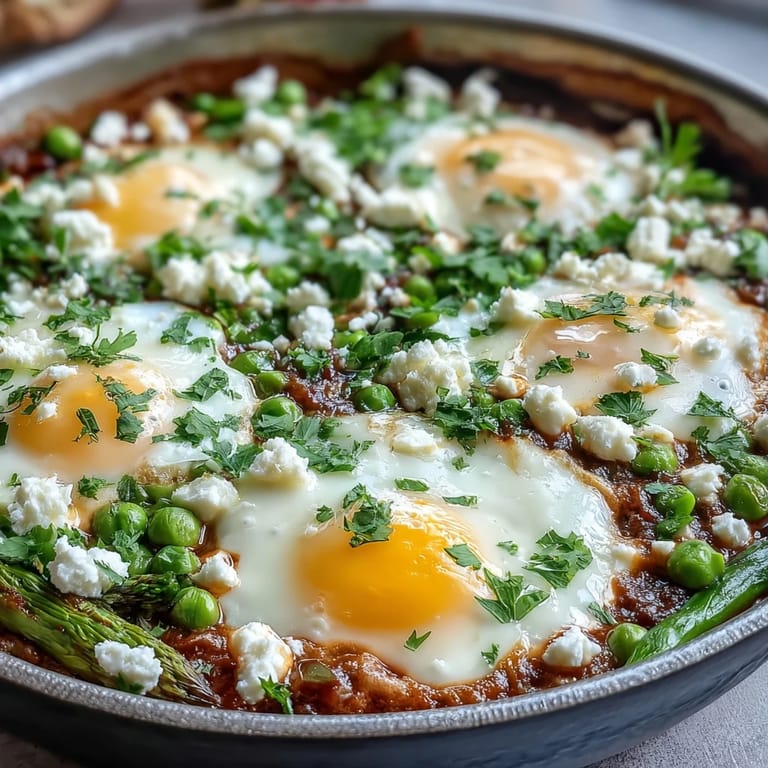
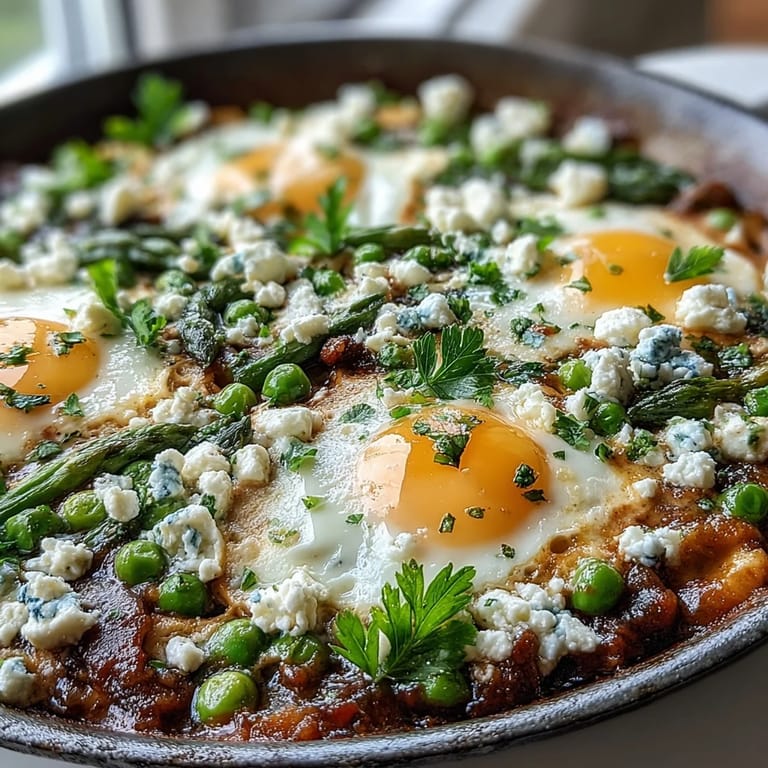
- Using the back of a spoon, create four small shallow wells in the vegetable mixture, spacing them evenly around the pan. Crack an egg into each well, being careful to keep the yolk intact, then cover the pan with a lid or even a piece of parchment paper.
- Set the eggs gently:
- Reduce the heat to low and let the pan cook undisturbed for seven to ten minutes, peeking under the lid after seven minutes to check progress. The whites should be set and opaque while the yolks still jiggle slightly when you tilt the pan; if you prefer firmer yolks, cook for the full ten minutes.
- Finish with finesse:
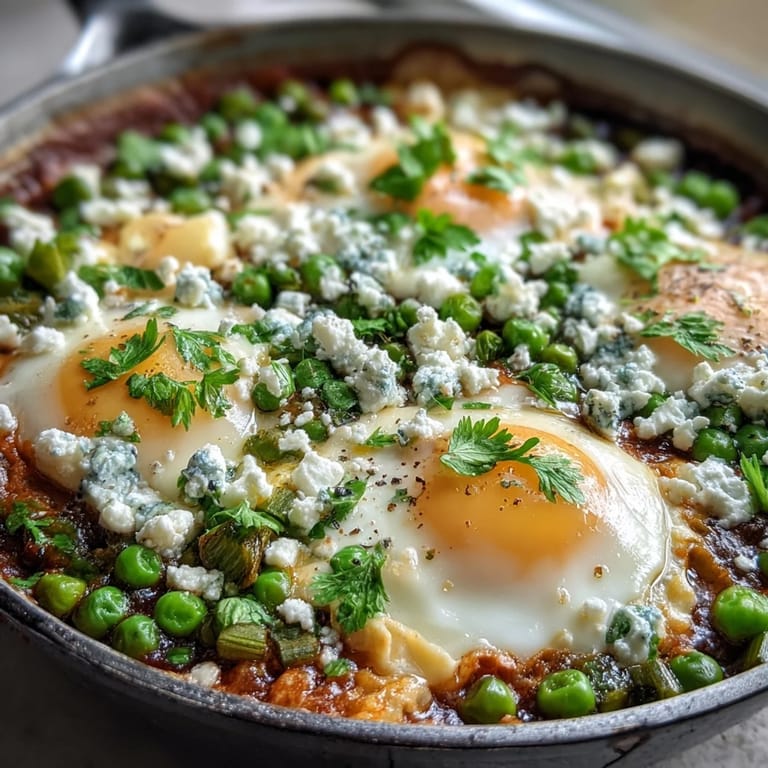
- Remove from heat and scatter the crumbled feta cheese across the top, followed by your fresh herbs and a final luxurious drizzle of your best olive oil. Serve the whole pan directly to the table and let everyone help themselves.
 Save
Save There was a moment during that dinner party, right after we'd all tasted it, when someone asked if I could make it again for a gathering she was planning. I remember feeling surprised and proud, not because the dish was complicated, but because something simple had managed to taste like care.
Why Spring Vegetables Matter Here
Peas and broad beans have a natural sweetness that feels almost delicate, and they need a backdrop that honors rather than overshadows them. The spiced tomato sauce provides warmth and depth without being heavy, and the asparagus adds an earthy note that keeps everything grounded. This is one of those rare dishes where restraint is actually the point, where you're listening to the vegetables rather than shouting over them.
The Perfect Egg Moment
The real magic happens in those final minutes under the lid, when the steam gently sets the egg whites while the yolk stays liquid and golden. Some people cook shakshuka with fully set eggs, but the moment you break that runny yolk, it becomes a secondary sauce that mingles with the spices and vegetables below. It's one of those small details that feels almost luxurious in its simplicity.
Serving and Variations
This dish wants to arrive at the table in the same pan it cooked in, steaming and fragrant, with crusty bread or warm flatbread waiting nearby to catch every bit of sauce. A crisp white wine or even sparkling water with lemon feels perfect alongside, cutting through the richness of the yolk and echoing the brightness of the herbs.
- For a vegan version, simply omit the eggs and feta, then add a generous handful of chickpeas for protein and substance.
- If your crowd loves heat, serve with harissa on the side or a good chili oil for drizzling, letting people control their own spice level.
- Leftovers (if there are any) reheat beautifully; just warm gently and crack fresh eggs on top rather than using any leftover cooked ones.
 Save
Save This shakshuka has become my go-to dish when I want something that feels both elegant and entirely effortless, the kind of meal that makes everyone around the table feel taken care of. Once you've made it once, you'll understand why I keep coming back to it every single spring.
Recipe Guide
- → Can I use frozen vegetables instead of fresh?
Yes, frozen peas and broad beans work perfectly in this dish. Simply blanch them briefly in boiling water before adding to the tomato sauce. No need to thaw beforehand.
- → How do I know when the eggs are done?
The eggs are ready when the whites are completely set but the yolks remain runny. This usually takes 7-10 minutes covered on low heat. Gently shake the pan to check if the whites are firm.
- → What can I serve with this shakshuka?
Crusty bread, flatbreads, or pita are ideal for soaking up the sauce and runny yolks. A crisp white wine or sparkling water with lemon complements the flavors beautifully.
- → How can I make this vegan?
Simply omit the eggs and feta cheese. Add a can of drained chickpeas during the last 5 minutes of cooking to provide protein and make the dish more substantial.
- → Can I prepare this in advance?
The vegetable base can be made ahead and refrigerated for up to 2 days. Reheat gently, then create wells and crack in fresh eggs just before serving.