 Save
Save There's something about rolling out shortbread dough on a quiet Saturday morning that makes the whole house smell like butter and possibility. I'd watched my grandmother shape these flower cookies for years, but it wasn't until I tried them myself that I understood why she always had a batch cooling on the rack—they're impossibly simple to make, yet somehow feel like a gift. The dough comes together in minutes, and suddenly your kitchen smells like a proper British tea room. These delicate, buttery rounds have become my go-to when I want to impress without stress.
I made these last spring for a neighbor's garden party, and I remember the slight panic when I realized I didn't own a flower-shaped cutter. A quick rummage through a junk drawer turned up a vintage cutter my mother had given me years ago, still in its original paper sleeve. Pulling those golden cookies from the oven and watching them transform from pale dough into something worthy of a tiered cake stand felt like small magic. She asked for the recipe before dessert was even finished.
Ingredients
- Unsalted butter, softened: This is where the whole cookie lives—use good butter and let it sit on the counter until it yields gently to finger pressure, because cold butter won't cream properly no matter how hard you mix.
- Granulated sugar: Just enough to bring sweetness without overwhelming the butter's delicate flavor.
- All-purpose flour: The foundation, and why you don't overwork the dough—you're aiming for a tender crumb, not a tough cookie.
- Cornstarch: This is the secret ingredient that gives shortbread its signature crumbly, almost sandy texture that melts on your tongue.
- Fine sea salt: A quarter teaspoon might seem invisible, but it wakes up all the other flavors.
- Vanilla extract: A small but essential warmth that rounds out the butter's richness.
- Sanding sugar or sprinkles: Optional, but they add a little sparkle and texture if you're feeling celebratory.
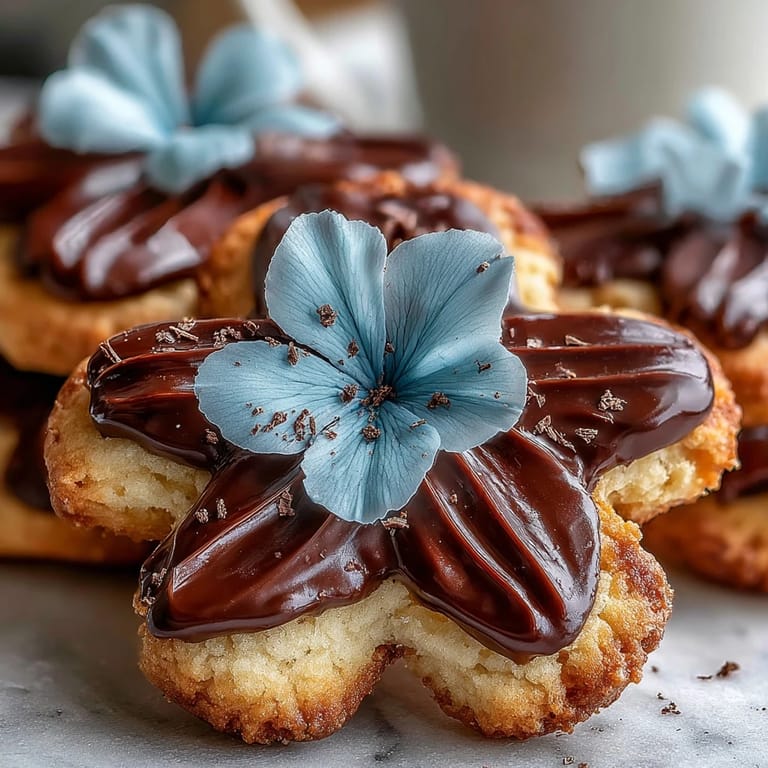
- Powdered sugar and edible flower petals: Finishing touches that transform simple cookies into something that looks like it came from a patisserie window.
Tired of Takeout? 🥡
Get 10 meals you can make faster than delivery arrives. Seriously.
One email. No spam. Unsubscribe anytime.
Instructions
- Ready your oven and pans:
- Preheat to 350°F and line two baking sheets with parchment paper so the bottoms won't brown too quickly.
- Cream the butter and sugar:
- Beat them together until the mixture is pale, fluffy, and noticeably lighter in color—this takes about three minutes with an electric mixer and takes some patience by hand. This step aerates the dough and makes the final texture tender.
- Add vanilla:
- Stir it in until just combined, then take a moment to appreciate how good the bowl smells.
- Combine dry ingredients:
- In a separate bowl, whisk the flour, cornstarch, and salt together to distribute the salt evenly.
- Bring it together:
- Gently fold the dry mixture into the butter mixture, stirring until just combined—stop as soon as you don't see streaks of flour. Overworking develops gluten and makes tough, dense cookies instead of tender ones.
- Roll out the dough:
- Transfer to a lightly floured surface and roll to about quarter-inch thickness, working gently so you don't compress all the air you just created. The dough should be cool but pliable, not warm or sticky.
- Cut your shapes:
- Press the flower cutter straight down without twisting, which seals the edges and prevents spreading, then transfer cookies to the prepared sheets about an inch apart.
- Decorate if desired:
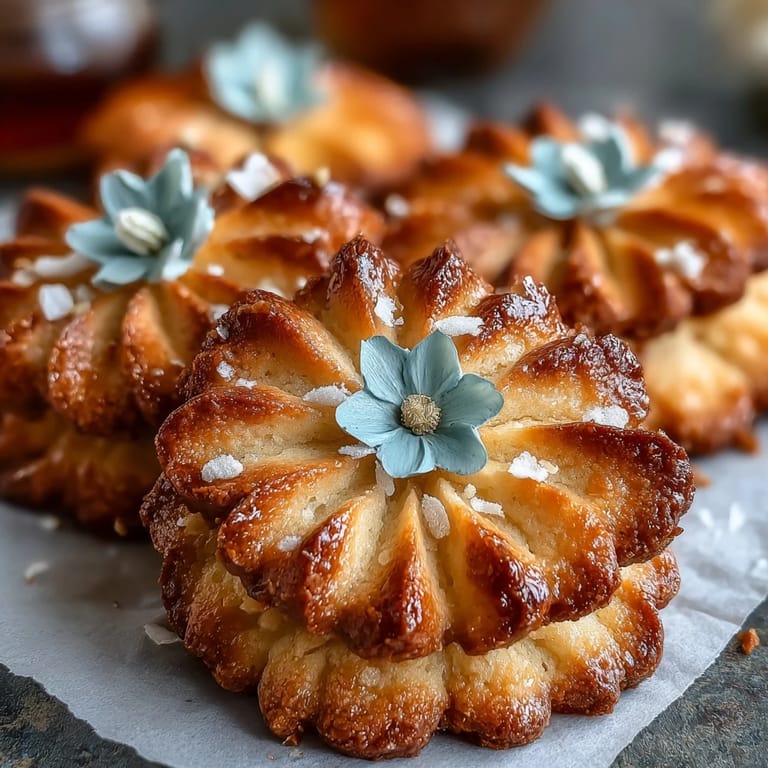
- Sprinkle with sanding sugar or press edible flower petals gently into the surface before baking.
- Bake until golden:
- Watch for the edges to turn a light golden color—this takes about twelve to fifteen minutes depending on your oven. They'll still feel slightly soft when warm, which is exactly right.
- Cool with patience:
- Let them rest on the hot sheet for five minutes so they firm up, then transfer to a wire rack to cool completely before any glazing or final dusting.
 Save
Save Years later, I still think of my grandfather dunking these into his tea, always claiming the shortbread was better when the cookie was almost dissolved. My grandmother would roll her eyes, but she'd keep making them because she understood that for him, it wasn't just about eating—it was about that quiet ritual and the particular comfort of something so familiar it felt like coming home.
Variations Worth Trying
Once you've mastered the base dough, it invites creativity without asking you to change anything fundamental. A teaspoon of finely grated lemon or orange zest transforms these into something bright and springlike, while a pinch of ground ginger adds unexpected warmth. I've made batches with rose water instead of vanilla for afternoon teas, and others dusted with freeze-dried raspberry powder for a subtle pink color that happens to taste wonderful too.
Timing and Make-Ahead Magic
The beauty of shortbread is that you can make the dough in advance—it keeps refrigerated for three days and actually rolls better when it's been chilled overnight. If you're planning a tea party or celebration, shape and bake a few hours before guests arrive, then finish with icing or powdered sugar just before serving so everything stays crisp and beautiful. The finished cookies store in an airtight container for up to a week, though they rarely last that long in my kitchen.
Tea Time Pairing and Presentation
These cookies feel at home on a proper china plate alongside Earl Grey or with afternoon coffee, but I've also found they suit a casual gathering perfectly. The flower shape does half the work of making your table look intentional and lovely, so you can focus your energy elsewhere. Whether you're hosting a spring celebration or baking for yourself on a Tuesday, these deserve to be treated as something special even if they only take thirty-five minutes from start to finish.
- Serve them stacked in a tower for height and drama, or arranged flat on a tiered stand for a more formal presentation.
- Dust them with powdered sugar just before serving rather than hours ahead, so the sugar stays bright white and doesn't dissolve into the butter.
- Keep a container of plain shortbread alongside any decorated versions so guests can choose their own adventure.
 Save
Save There's a particular joy in pulling a tray of golden flower-shaped cookies from the oven and knowing you've created something both simple and genuinely lovely. They're the kind of recipe that gets passed around because it proves that home baking doesn't require stress or complicated technique—just good butter, a little patience, and the willingness to make something small that brings real happiness.
Recipe Guide
- → What makes these cookies tender and flaky?
The combination of softened butter and cornstarch in the dough creates a tender, melt-in-your-mouth texture typical of classic shortbread.
- → Can I add flavors to the dough?
Yes, adding finely grated lemon or orange zest enhances the buttery dough with a refreshing citrus note.
- → How can I decorate these cookies attractively?
Sprinkling coarse sanding sugar, pressing in edible flower petals, or applying pastel icing offers charming and festive decorations.
- → What baking temperature and time are recommended?
Bake at 350°F (175°C) for 12 to 15 minutes until the edges start to turn a light golden color.
- → How should I store the cookies to maintain freshness?
Keep them in an airtight container at room temperature for up to one week to preserve their buttery texture and flavor.