 Save
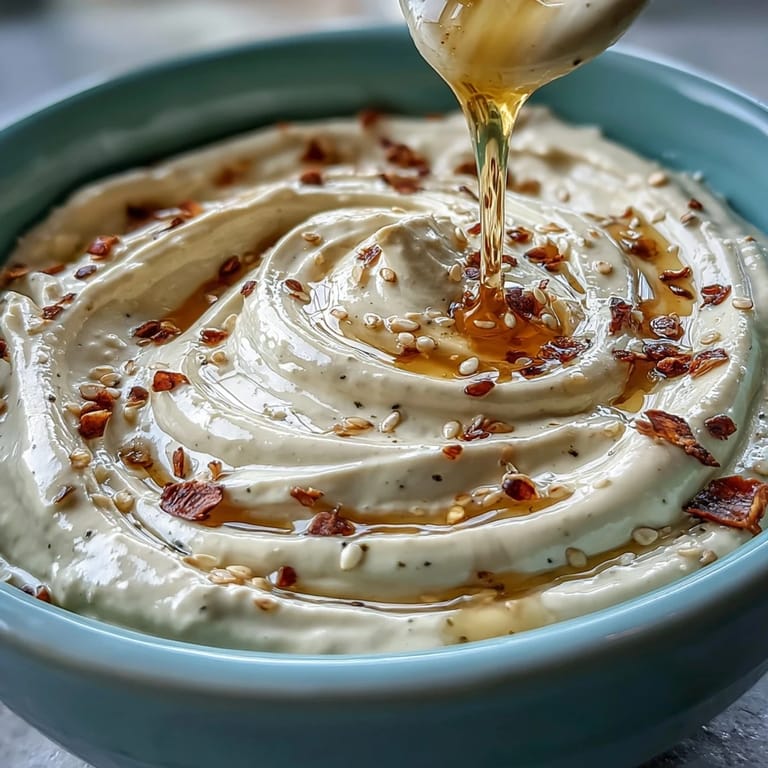
Save My first attempt at tahini dressing happened on a Tuesday evening when I had leftover roasted vegetables and absolutely nothing to dress them with. I grabbed a jar of tahini from the back of my pantry—a ingredient I'd bought months earlier with good intentions—and started whisking it with lemon juice, almost on instinct. Within five minutes, that pale, stubborn paste transformed into something golden and pourable, silky enough to coat a spoon but light enough to drizzle. It tasted like sunshine and earth at the same time, and I've been making it ever since.
I made this dressing for a potluck last spring, bringing it alongside a massive grain salad, and watched people go back for thirds of vegetables they normally ignore. A friend asked what was on top—genuinely confused that something so rich and restaurant-quality came from her friend's kitchen in under ten minutes. That moment taught me that simple, genuine food often impresses more than anything complicated ever could.
Ingredients
- Tahini: The whole foundation here—buy the creamy kind, not roasted, and stir that jar well before measuring because the oil separates if it sits.
- Fresh lemon juice: Bottled won't give you the same brightness, and fresh juice is what keeps this from tasting flat or one-dimensional.
- Extra-virgin olive oil: This adds richness and prevents the dressing from separating; don't skip it or use a cheaper oil.
- Water: Acts as the emulsifier that transforms thick paste into pourable sauce, and you control the exact consistency you want.
- Garlic: Minced fine or grated so it distributes evenly and doesn't leave harsh chunks—use fresh, never jarred.
- Maple syrup or honey: Just a touch balances the tartness and rounds out the flavor without making it sweet.
- Fine sea salt: Brings everything into focus and tastes cleaner than table salt in dressings like this.
- Ground cumin: Optional, but adds a warm, subtle earthiness that makes people ask what the secret ingredient is.
Tired of Takeout? 🥡
Get 10 meals you can make faster than delivery arrives. Seriously.
One email. No spam. Unsubscribe anytime.
Instructions
- Start with the base:
- Whisk tahini, lemon juice, olive oil, and water together in a medium bowl until you see it go from grainy to smooth—this takes about a minute of steady whisking, and you'll feel the texture shift under the whisk.
- Build the flavor:
- Add minced garlic, sweetener if using, salt, and cumin, whisking again until everything is fully blended and you don't see any white streaks of tahini anymore.
- Get the consistency right:
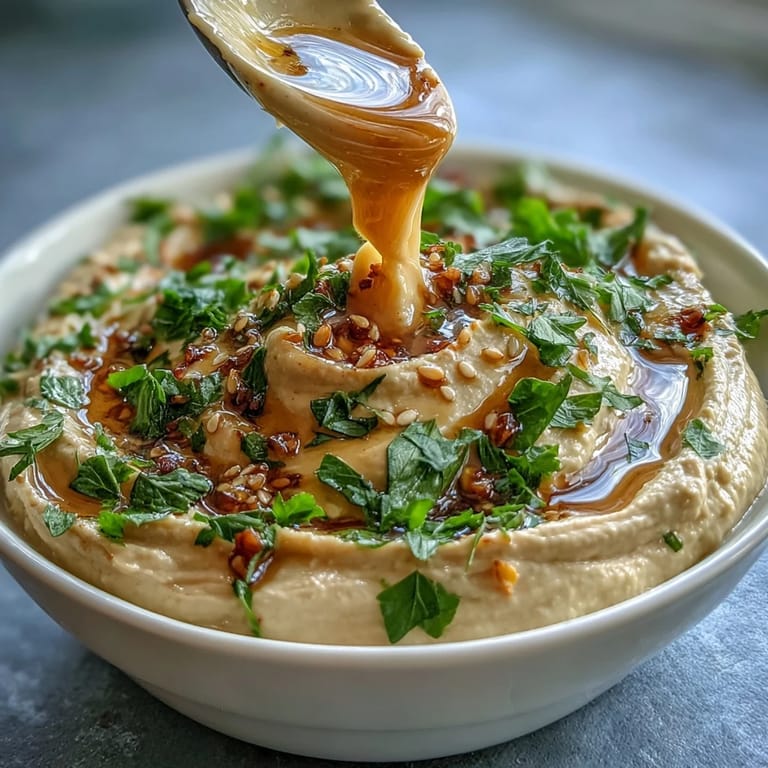
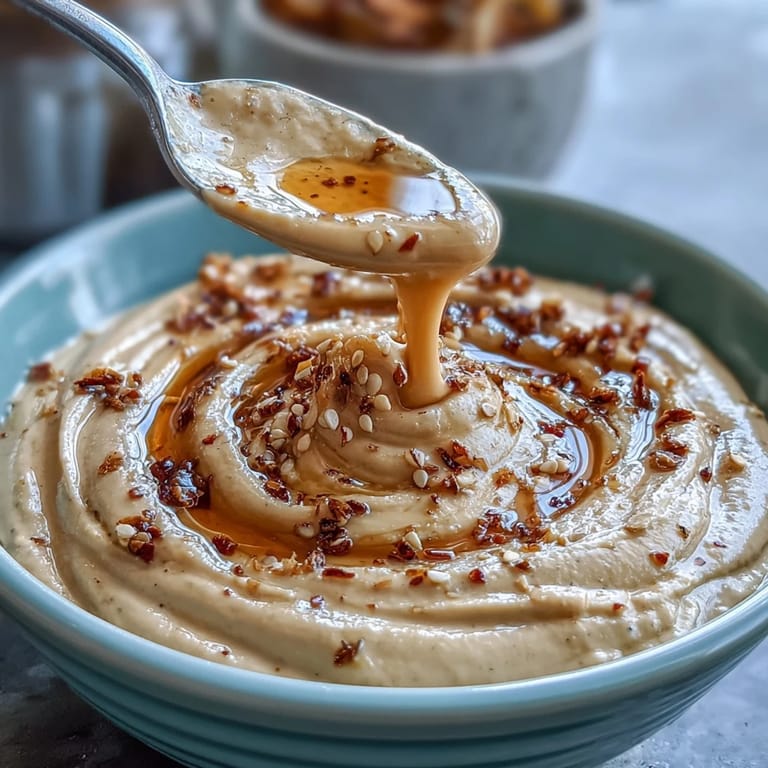
- Add water one tablespoon at a time, whisking between each addition, until the dressing flows like thick cream—thick enough to cling to vegetables but thin enough to drizzle.
- Taste and adjust:
- This is the moment to trust your palate; if it tastes too salty, add lemon juice; if too sharp, add a touch more sweetener; if too thick, add water.
- Serve or store:
- Use immediately over your favorite bowl or vegetables, or pour into a jar and refrigerate for up to five days—give it a good stir or shake before using again because it may thicken slightly as it sits.
 Save
Save There was a moment during a busy weeknight when my partner drizzled this over a roasted cauliflower and suddenly dinner felt intentional, luxurious, like we were eating somewhere special instead of at our kitchen counter at 7 p.m. That's when I realized this dressing isn't just convenient—it's a small way to make ordinary vegetables feel dignified.
When to Use This Dressing
I've poured this over everything from simple lettuce and tomatoes to elaborate grain bowls loaded with roasted root vegetables and crispy chickpeas. It works beautifully on grilled chicken or fish, can be thinned into a dip for raw vegetables or pita chips, and transforms falafel from good into unforgettable. The magic is that it never feels out of place—it adapts to whatever you're eating instead of demanding attention.
The Flavor Balance
Tahini by itself is nutty and dense, almost one-note, but the moment lemon juice hits it, something magical happens—the acidity cuts through the heaviness and suddenly you taste the sesame seeds' true flavor, alive and bright. The garlic adds sharpness, the sweetener softens any harsh edges, and the cumin, if you use it, wraps everything in warmth. It's a dressing that tastes simple but was actually carefully designed by centuries of Mediterranean and Middle Eastern cooking to balance rich and bright, creamy and zesty.
Customizations and Variations
The base formula is so forgiving that you can bend it in any direction. I've added chopped fresh herbs—parsley, cilantro, dill—for brightness, a pinch of cayenne for heat, pomegranate molasses for complexity, or even a splash of pomegranate juice. Some days I use agave instead of maple syrup to keep it fully vegan, and other days I add a touch of tahini to make it even richer. The water ratio is always adjustable depending on whether you want a thick dip or a thin drizzle.
- Fresh herbs like parsley or cilantro make it taste like a completely different dressing with just one addition.
- A tiny splash of pomegranate molasses adds sophistication and a gentle tang that surprises people in the best way.
- Keep the ratio flexible—this dressing is forgiving enough to adapt to your mood and whatever bowl you're building.
 Save
Save This dressing taught me that the best kitchen skills aren't complicated techniques—they're knowing how to balance flavors and understanding that five minutes of effort can elevate an entire meal. Keep a jar in your refrigerator and watch what it does to the simple vegetables in your life.
Recipe Guide
- → How can I adjust the dressing's consistency?
Add water one tablespoon at a time until the desired pourable and creamy texture is reached.
- → Can I make this without honey or maple syrup?
Yes, the sweetener is optional; omit it for a tangier, more savory flavor.
- → What herbs pair well with this tahini blend?
Fresh parsley, cilantro, or dill complement the dressing nicely when chopped and mixed in.
- → How long does this dressing keep in the refrigerator?
Stored in an airtight container, it stays fresh for up to 5 days. Stir or shake before serving.
- → Is this suitable for a gluten-free diet?
Yes, all ingredients are naturally gluten-free, making it suitable for gluten-sensitive diets.
- → What dishes work best with this tangy tahini blend?
It enhances salads, grain bowls, wraps, roasted vegetables, and can also be used as a dip.