 Save
Save I'll never forget the moment I realized that food could be art. It was at a dinner party where my friend arranged vegetables and cheeses in this impossibly bold zig-zag pattern, and everyone gasped before they even reached for a bite. That night, I learned that sometimes the most memorable dishes aren't about complexity—they're about confidence and visual drama. This Zig-Zag Lightning Strike board became my secret weapon for impressing guests without spending hours in the kitchen.
The first time I served this at a casual Saturday gathering, someone photographed it before touching anything. That's when I knew I'd discovered something special. Watching people point out their favorite colors in the arrangement, then discovering the flavors matched the visual promise—that's the magic of this board. It became the appetizer everyone requests now.
Ingredients
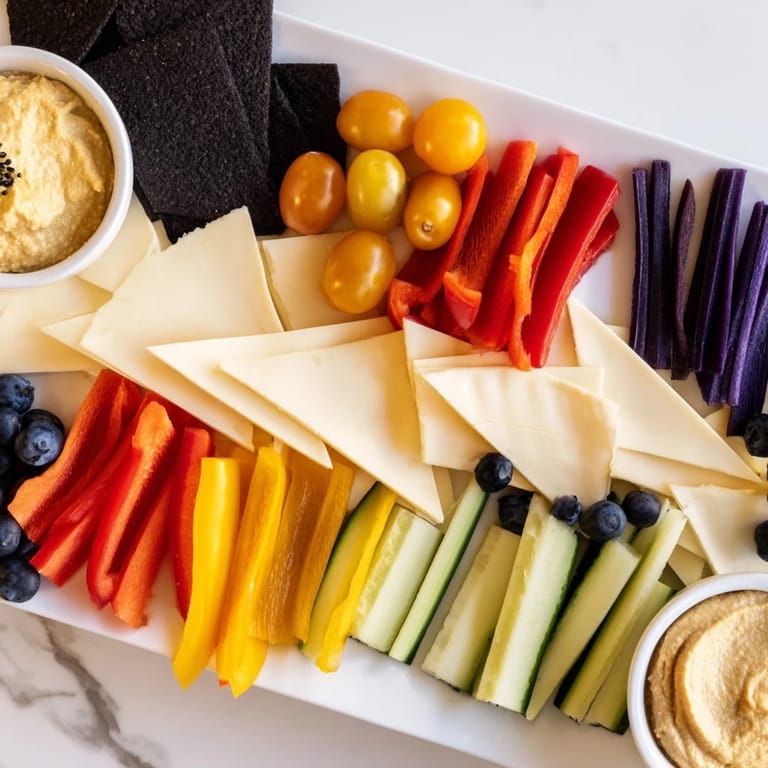
- Fresh red bell pepper strips (1 cup): The boldest starter for your lightning bolt—those deep reds catch light beautifully and bring a subtle sweetness that grounds the arrangement
- Golden yellow bell pepper strips (1 cup): This is your brightness, your contrast point against darker elements. Don't skip this—it's what makes the whole design pop
- Crisp cucumber sticks (1 cup): Think of these as your clean, cooling element that offers textural relief and a refreshing bite between richer ingredients
- Purple carrots, sliced into sticks (1 cup): The unexpected player that makes people pause and ask what they're looking at. Their earthiness adds depth to the visual story
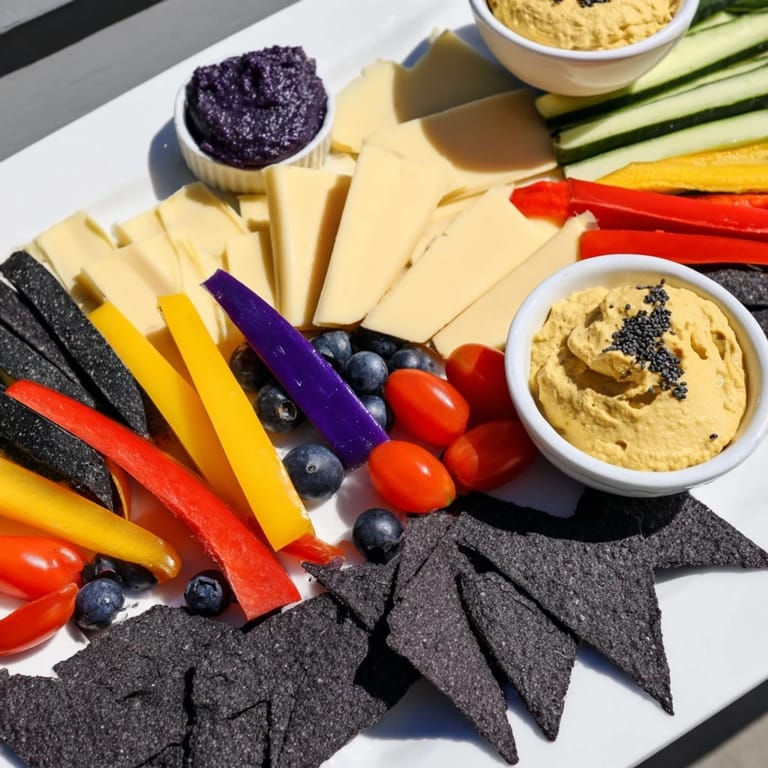
- Sharp white cheddar, sliced into angular pieces (100g): Cut these deliberately into sharp angles—they're not just cheese, they're architectural elements that echo the lightning theme
- Black wax Gouda, sliced (100g): The dramatic counterpoint. Its richness and smokiness pair beautifully with the vegetables, and that dark color creates genuine contrast against lighter elements
- Fresh blueberries (1/2 cup): These jewel-like gems become punctuation marks along your design—tiny moments of concentrated flavor and color
- Golden cherry tomatoes, halved (1/2 cup): Their sweet, sunny nature balances saltier components while adding another dimension of color variation
- Beet hummus (1/2 cup): This deep magenta dip is both functional and stunning—it grounds the arrangement with an earthy, slightly sweet flavor
- Classic hummus (1/2 cup): Your creamy, savory anchor that lets every other flavor shine
- Blue corn tortilla chips (1 cup): These aren't just edible—they're visual allies that reinforce your angular theme with their natural shape
- Black sesame rice crackers (1/2 cup): Crispy, elegant, and full of that toasted sesame warmth that keeps people reaching back for more
Tired of Takeout? 🥡
Get 10 meals you can make faster than delivery arrives. Seriously.
One email. No spam. Unsubscribe anytime.
Instructions
- Gather and prepare your canvas:
- Start with a large, clean rectangular board or platter—this is your stage. Run each vegetable under cool water and pat dry with care. The drier everything is, the longer your arrangement stays fresh and vibrant. Use your sharpest knife to cut vegetables into long, deliberate strips and angular pieces. Think less casual chop, more intentional design element. Pay attention to the cuts—sharp angles reinforce your lightning theme and make the whole presentation feel purposeful.
- Map your lightning strike:
- This is where the magic happens. Imagine a diagonal line running from one corner of your board to the opposite corner. Now, starting at one end, begin placing ingredients in bold stripes across this line, alternating colors with dramatic intention. Red bell pepper next to white cheddar creates that electric contrast. Cucumber next to the dark Gouda creates another. Think about the rhythm—you're conducting a visual symphony. The goal is to make anyone looking at it feel that spark of excitement before they even taste anything.
- Anchor with dips:
- At two or three key points along your zig-zag—maybe where it bends or at its midpoint—place your small bowls of hummus. The beet hummus and classic hummus create focal points and break up the raw ingredients with something creamy and inviting. These are your resting points, the places where people's eyes naturally pause.
- Edge and reinforce:
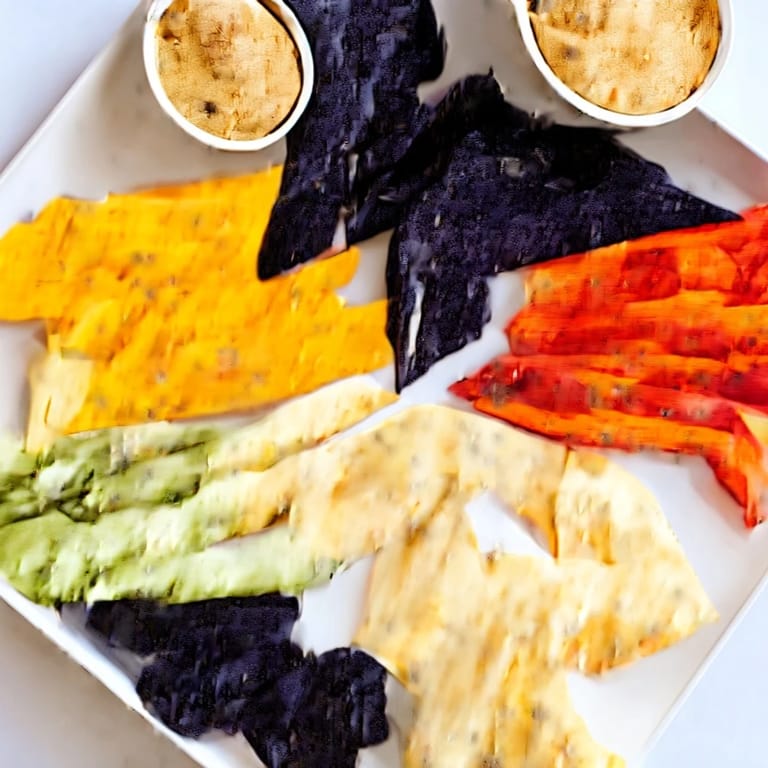
- Now tuck your tortilla chips and rice crackers along the perimeter of your zig-zag pattern. These aren't afterthoughts—they frame and intensify your composition. The chips and crackers echo the angular theme and provide that satisfying crunch that makes everything taste better. Think of them as the border of a dramatic painting.
- Scatter your jewels:
- Finally, scatter blueberries and halved cherry tomatoes along the length of your arrangement. These pops of color are your finishing touches. They catch light, add sweetness, and feel almost celebratory. Don't overthink placement—just ensure they're distributed so each section gets some attention.
- Serve with confidence:
- Present this immediately while everything is at its freshest and crispest. Watch for that moment when people first see it—that pause is your reward.
 Save
Save There was this moment at a dinner party when a young guest turned to their parent and asked, Can we eat art? That question made me realize this board represents something I hadn't initially understood—it's permission to make food that delights before it nourishes. That's when this arrangement stopped being a recipe and became a philosophy about generosity and joy in entertaining.
The Art of Contrast
The secret to this board's visual power lives entirely in contrast. I discovered that when you place opposing colors next to each other—warm against cool, bright against dark, smooth against textured—something almost electric happens. It's not just prettier, it tastes better too. Your eye is drawn to certain elements first, which guides your palate through a deliberate flavor journey. The sharp white cheddar against the purple carrot isn't accidental; it's a conversation. That contrast is what makes this board feel modern and intentional rather than just a random platter of vegetables.
Building Your Personal Variation
Once you master the basic zig-zag structure, you'll start seeing infinite possibilities in your produce drawer. Roasted beet slices add earthiness and more color drama. Thinly shaved radishes bring peppery heat and pale pink tones. Thin apple slices (tossed quickly in lemon juice to prevent browning) add a subtle sweetness and delicate line work. The framework stays the same—bold diagonal, high contrast, angular elements—but the ingredients can dance with the seasons. I've made this with watermelon radishes in summer, golden beets in fall, and even roasted cauliflower pieces for more substance in winter versions. The board becomes a seasonal portrait of what's best right now.
Pairing and Presentation Magic
This board doesn't demand fancy wine or elaborate planning, but it does appreciate thoughtful company. The brightness of the vegetables plays beautifully with crisp whites like Sauvignon Blanc, or you could go the non-alcoholic route with sparkling water ringed with fresh lemon. The hummus provides protein and richness that makes this feel substantial enough to be a real appetizer rather than just vegetables and dips. I've learned that serving this on a wooden board rather than ceramic or glass somehow makes it feel more curated, more intentional. There's something about natural wood that frames bright colors and creates an almost gallery-like presentation.
- Chill your board in the freezer for 10 minutes before assembling to keep everything crisp longer
- Serve with small plates and napkins—the visual arrangement deserves to be appreciated without rushed grabbing
- Have the dips at room temperature or slightly warm for better flavor, even if the vegetables stay cool
 Save
Save Every time I set this board on a table, I'm reminded that presentation is love language in the kitchen. It says, I spent time thinking about your joy, not just your hunger. Serve this when you want your gathering to feel special without the stress.
Recipe Guide
- → What vegetables are used for the vibrant colors?
Red and yellow bell peppers, cucumber sticks, and purple carrots create a striking and colorful base.
- → Which cheeses complement the angular arrangement?
Sharp white cheddar and black wax gouda are sliced into thin angular pieces to emphasize the bold shapes.
- → How are the dips incorporated into the platter?
Beet hummus and classic hummus are placed in small bowls at key junctions along the zig-zag for both flavor and visual balance.
- → What crunchy elements enhance texture?
Blue corn tortilla chips and black sesame rice crackers are arranged along the edges to reinforce the platter’s sharp design.
- → Can this arrangement accommodate dietary restrictions?
The platter can be adapted with plant-based cheeses for vegan preferences and gluten-free crackers to suit dietary needs.