 Save
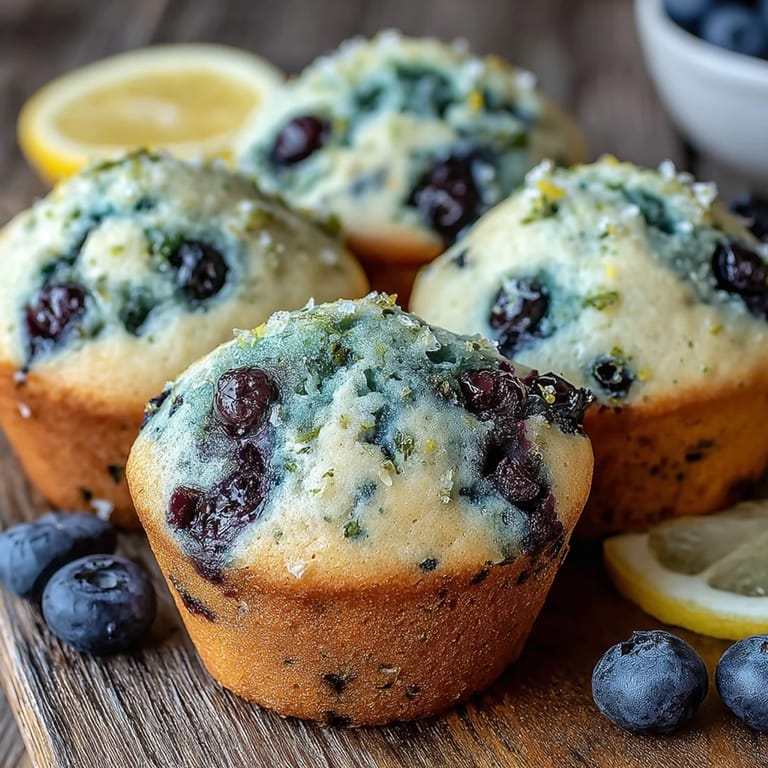
Save My roommate challenged me to bake something vegan last spring, and honestly, I was skeptical about protein powder in muffins—until these happened. The first batch came out of the oven smelling like a lemon grove, and when I bit into one still warm, the blueberries burst across my tongue in this perfect tart-sweet way. She had one with her coffee the next morning and didn't even ask if they were vegan, which somehow felt like the ultimate compliment.
I brought a dozen of these to a potluck where half the guests were vegan and half weren't, and they disappeared in twenty minutes flat. Nobody fought over them—they just quietly vanished, and I caught someone wrapping one up to take home. That's when I realized these muffins didn't need to apologize for being vegan; they were just genuinely delicious.
Ingredients
- All-purpose flour or whole wheat pastry flour (2 cups / 240 g): The foundation here—whole wheat pastry flour gives you a tender crumb instead of the dense brick you get with regular whole wheat.
- Vegan vanilla protein powder (1 scoop / 30 g): This isn't about building muscle; it's about making the muffins stay moist and giving them structure so they don't fall apart when you pull them from the tin.
- Baking powder and baking soda (1 tablespoon and 1/2 teaspoon): The leavening duo that makes these rise properly—don't skimp or they'll come out squat and dense.
- Salt (1/4 teaspoon): A small amount that actually makes the lemon sing louder, not saltier.
- Unsweetened almond milk (3/4 cup / 180 ml): Any plant milk works, but almond milk keeps the flavor clean and lets the lemon and blueberry shine.
- Melted coconut oil (1/3 cup / 80 ml): Creates that tender, almost buttery crumb; neutral oil works too if you don't want coconut notes.
- Maple syrup (1/2 cup / 120 ml): The sweetness here is gentle and complements the tart lemon without being cloying.
- Unsweetened applesauce (1/4 cup / 60 g): Acts like an egg replacement, binding everything together while adding moisture and subtle sweetness.
- Vanilla extract and lemon zest (2 teaspoons and 1 large lemon): The flavor backbone—zest first, juice second—they make these taste like they belong in a neighborhood bakery.
- Fresh or frozen blueberries (1 1/2 cups / 225 g): If using frozen, leave them frozen when you fold them in; thawed berries bleed color and break down into the batter.
Tired of Takeout? 🥡
Get 10 meals you can make faster than delivery arrives. Seriously.
One email. No spam. Unsubscribe anytime.
Instructions
- Get your oven ready and prep the pan:
- Heat the oven to 350°F and line your muffin tin with paper liners or give it a light grease. This step feels small, but a cold tin means uneven baking.
- Combine all the dry ingredients:
- In a large bowl, whisk together the flour, protein powder, baking powder, baking soda, and salt until no lumps hide in the corners. Take your time here—breaking up those clumps means even baking.
- Mix the wet ingredients separately:
- In another bowl, pour in the almond milk, coconut oil, maple syrup, and applesauce, then add the vanilla, lemon zest, and lemon juice. Whisk until it's completely smooth with no oil streaks visible.
- Bring wet and dry together:
- Pour the wet mixture into the dry ingredients and stir gently with a wooden spoon until just combined—it should look slightly lumpy, almost like you didn't finish mixing. Overmixing develops gluten and makes them tough.
- Fold in the blueberries:
- Use a spatula to gently fold the frozen blueberries into the batter, being careful not to crush them. A few broken berries are fine, but you want most of them whole.
- Fill the muffin cups:
- Divide the batter evenly among the twelve cups, filling each about 3/4 full. If you overfill them, they'll spill over and make the tin messy.
- Bake until golden and set:
- Slide the tin into the oven for 20 to 22 minutes—you're looking for the tops to turn light golden brown and a toothpick inserted into the center to come out clean or with just a few moist crumbs. Don't overbake or they'll dry out.
- Cool with patience:
- Let them sit in the tin for 5 minutes before turning them out onto a wire rack to cool completely. This resting period lets them firm up enough not to crumble.
 Save
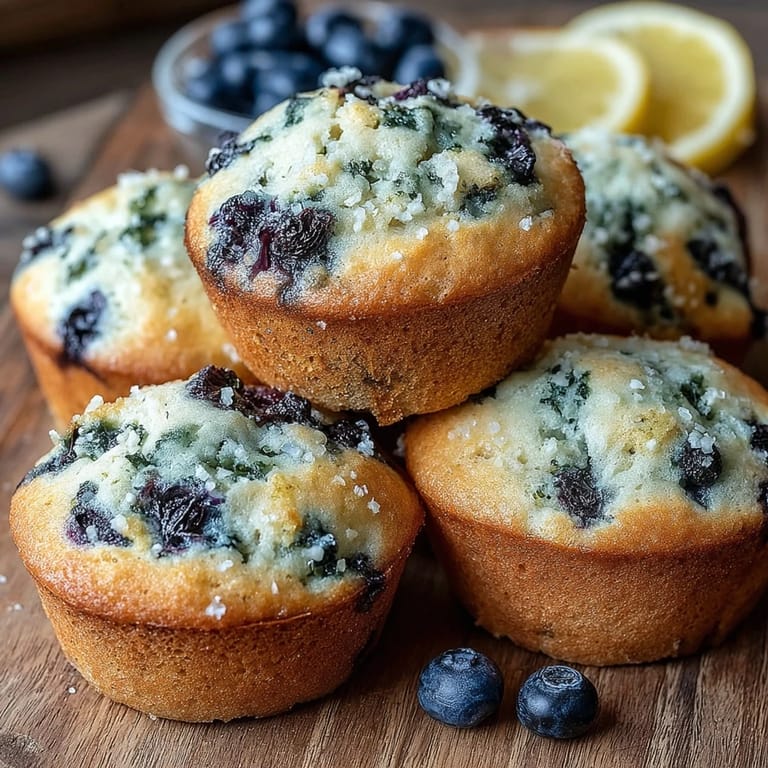
Save My neighbor asked for the recipe after trying one fresh from the rack, and now she makes them every Sunday morning. There's something about handing someone a warm muffin that tastes this good and knowing it aligns with how they actually want to eat—that's when food stops being a recipe and becomes part of someone's life.
The Lemon-to-Blueberry Balance
The secret to these muffins isn't hiding—it's the ratio of lemon to blueberry. The tartness of the lemon juice and brightness of the zest keeps the blueberries from being cloyingly sweet, and the berries themselves soften the lemon's edge so nothing feels sharp or unbalanced. I learned this by accident when I added extra lemon one time and ended up with something that tasted almost like a lemon blueberry cake instead of a muffin. The original recipe hits that sweet spot perfectly.
Storage and Make-Ahead Magic
These muffins are built to last, which is part of why I keep making them. They stay fresh in an airtight container at room temperature for four days, taste just as good on day three as day one, and freeze beautifully for up to two months if you wrap them individually in plastic wrap before placing them in a freezer bag. I've pulled frozen muffins out in the morning, let them thaw on the counter while my coffee brews, and had breakfast ready without any fuss.
Troubleshooting and Tweaks
If your muffins come out dense, you either overmixed the batter or your oven runs cool and they needed an extra two minutes—that's worth checking with an oven thermometer. If they're too moist inside even though the toothpick came out clean, your applesauce might have been wetter than expected, so next time use one that's thicker or reduce the almond milk slightly. I've also found that swapping whole wheat pastry flour for regular all-purpose gives you a nuttier, more complex flavor that pairs beautifully with the lemon.
- Extra lemon zest on top (another 1/2 teaspoon) before baking adds a lovely visual hint and bumps up the flavor if you want more citrus punch.
- Swapping the vanilla protein powder for chocolate or unflavored changes the vibe entirely while keeping the structure intact.
- If you don't have applesauce, mashed banana works as a substitute, though it'll add sweetness so reduce the maple syrup by a tablespoon.
 Save
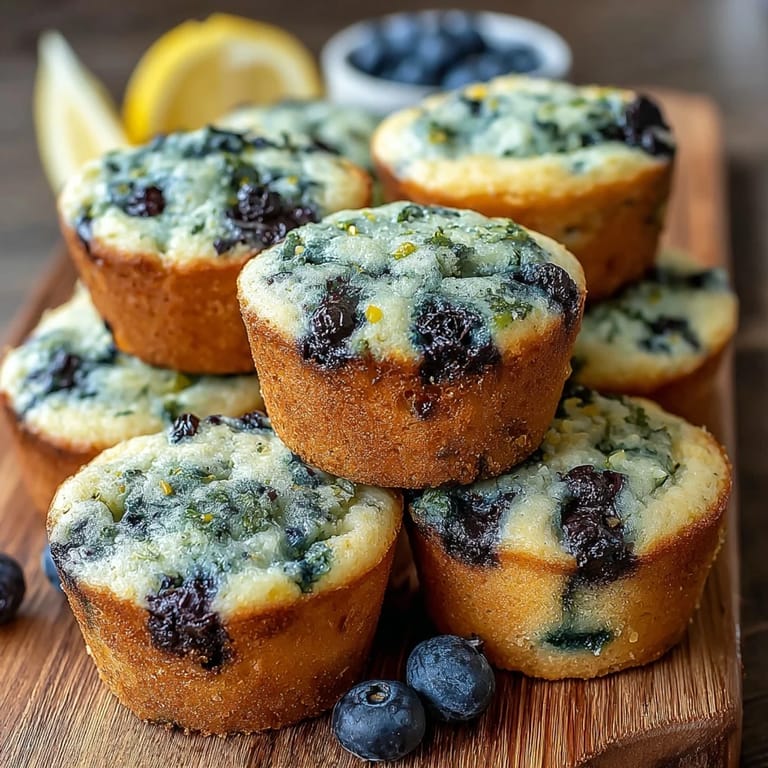
Save These muffins proved to me that vegan baking doesn't need to be complicated or taste like a compromise. They're honest food made from real ingredients, and they taste like somebody cared when making them.
Recipe Guide
- → Can I use frozen blueberries instead of fresh?
Yes, frozen blueberries work perfectly in this batter. Do not thaw them before adding—fold them in frozen to prevent bleeding and maintain texture. Baking time may increase by 1-2 minutes.
- → What vegan protein powder works best?
Vanilla pea protein, soy protein, or rice protein blends all perform well. Avoid unflavored varieties as they can affect taste. Whey-based options are not suitable for vegan diets.
- → Can I make these gluten-free?
Yes, substitute the all-purpose flour with a 1:1 gluten-free baking blend. Check that your protein powder is certified gluten-free as well. Results may vary slightly in texture.
- → How should I store these muffins?
Store in an airtight container at room temperature for 2-3 days. For longer storage, refrigerate up to 1 week or freeze individually wrapped for up to 2 months. Thaw at room temperature before enjoying.
- → Can I reduce the sweetness?
You can decrease maple syrup to 1/3 cup for a less sweet version. The blueberries provide natural sweetness, so the muffins will still be enjoyable. Alternatively, substitute with stevia or monk fruit sweetener.
- → Why did my muffins turn out dense?
Overmixing the batter is the most common cause. Stir until just combined—some lumps are fine. Also ensure your baking powder and soda are fresh, and avoid packing the flour when measuring.