 Save
Save I'll never forget the first time I saw a fractal tree pattern in nature—those perfectly branching limbs that seemed to follow an invisible mathematical formula. Years later, I was arranging ingredients on a platter for a dinner party when it hit me: why not create that same mesmerizing pattern with food? The Fractal Tree Branching Bread Platter was born from that moment, and now it's become my signature way to welcome guests. It's the kind of appetizer that makes people stop and stare before they even taste it.
I made this for my cousin's engagement party last spring, and I watched her pick basil leaves and cheese cubes from the branches while telling stories about meeting her fiancé. Something about the interactive nature of this platter turned appetizer-eating into a moment of connection. That's when I knew this wasn't just about presentation—it was about creating an experience.
Ingredients
- 1 large breadstick (25-30 cm long): This is your anchor, your tree trunk. Choose one that's sturdy enough to hold its shape but not so thick it dominates the platter. I learned the hard way that a slightly dry breadstick actually works better than a super soft one—it won't get crushed under the weight of everything else.
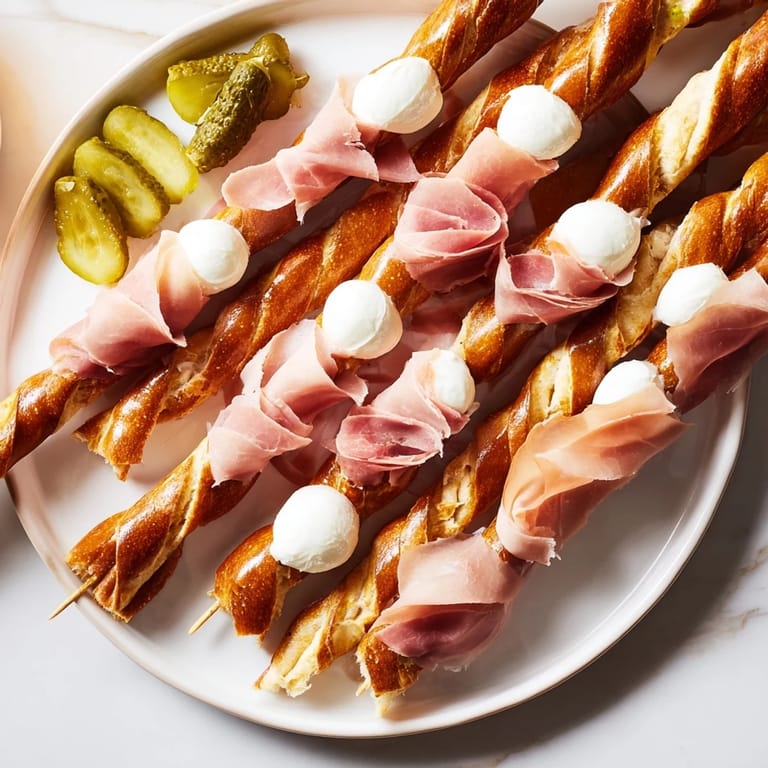
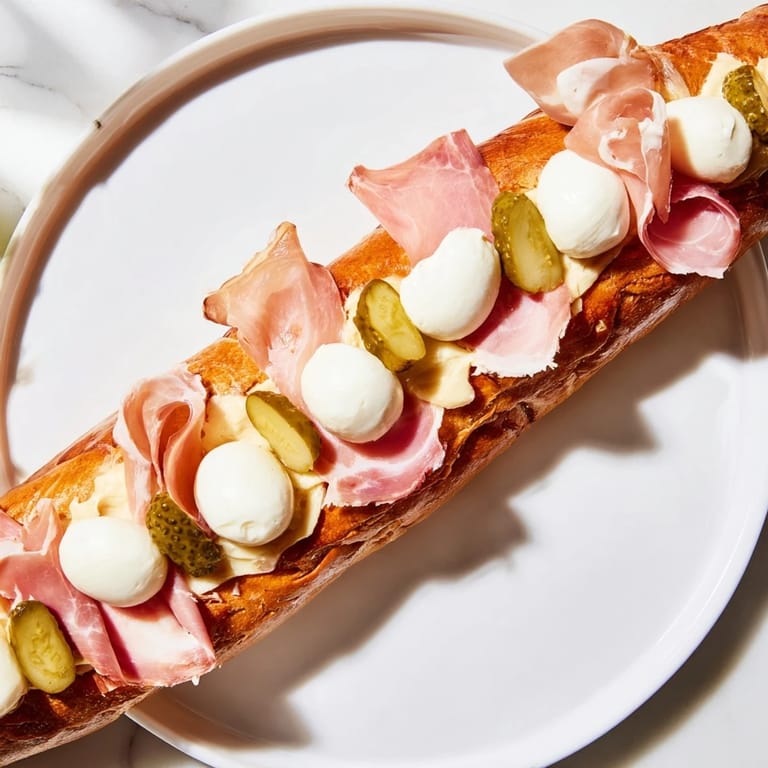
- 6 slices prosciutto or vegetarian deli slices: The umami-rich beginning of your first branches. Prosciutto brings that silky, salty elegance, but thinly sliced vegetarian deli or even roasted red peppers work beautifully for a meat-free version.
- 6 mini mozzarella balls or small cheese cubes: These are your creamy counterpoint. Fresh mozzarella has that tender quality that makes people smile when they bite into it.
- 6 baby pickles or gherkins: The briny, crisp element that cuts through richness. Don't skip these—they're the textural contrast that makes the whole thing sing.
- 12 cherry tomatoes, halved: Jewel-like and bright, they add color and a fresh pop of acidity to the second layer of branches.
- 12 thin cucumber slices: Cool, watery, refreshing. They're the ones that hydrate you as you graze through the branches.
- 12 green or black olives: Choose ones you actually like eating, not the ones you feel obligated to use. Their earthiness anchors the whole arrangement.
- 18 small basil leaves: Aromatic and herbaceous, they're the delicate tips of your smallest branches. They stay fresher if you add them last.
- 18 roasted red pepper strips: Sweet, jammy, and colorful. They bridge the gap between raw and cooked, bright and rich.
- 18 small crackers or crostini: These give people something to build with—a little platform for other ingredients if they want.
Tired of Takeout? 🥡
Get 10 meals you can make faster than delivery arrives. Seriously.
One email. No spam. Unsubscribe anytime.
Instructions
- Place your anchor:
- Set that breadstick dead center on your platter. This is your tree trunk, so position it with confidence. I usually angle it slightly to create visual interest, but straight up and down works just fine too.
- Create the largest branches:
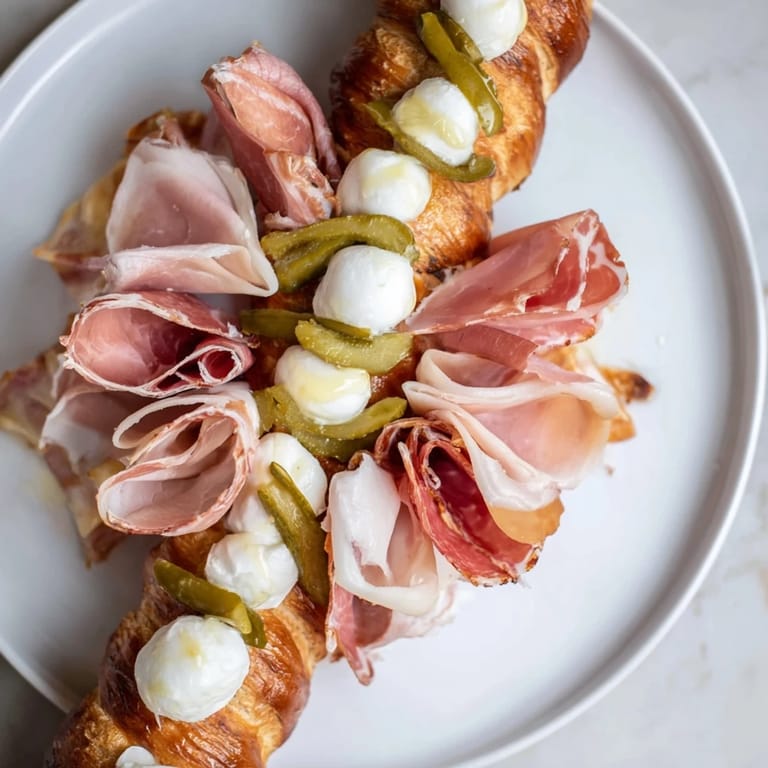
- Now you're going to work outward from the breadstick's ends. Take a slice of prosciutto, fold it gently, and lay it pointing away from the breadstick like a reaching branch. Next to it, place a mozzarella ball or cheese cube. Tuck a baby pickle at the tip. Do this on both sides of the breadstick, working symmetrically—that's where the fractal magic happens. Think of yourself as nature, creating order from the center outward.
- Add the second layer:
- Here's where I usually step back and look at what I've created. Now place your tomato halves and cucumber slices, slightly smaller and further out, like secondary branches splitting off from the main limbs. Tuck olives at the tips of this layer. The pattern should start revealing itself now—it's almost like watching a tree grow before your eyes.
- Fill in with the tiniest branches:
- This is the meditative part. Place basil leaves, roasted red pepper strips, and crackers in the smallest, outermost spaces. They taper and spread like the finest twigs at the ends of branches. Let yourself have fun here—this is where personality comes in.
- Step back and adjust:
- Walk away for a second and look at your creation. Are there spots that feel bare? Areas too crowded? Shift things around until the fractal pattern feels balanced and the whole thing feels like it could have grown this way naturally. This is your chance to make it perfect.
- Serve with intention:
- Bring it to the table and watch people's faces light up. Invite them to pluck from the branches like they're picking fruit. Tell them about the fractal pattern if you want, or just let the beauty speak for itself.
 Save
Save My seven-year-old niece spent ten minutes just studying the platter before she ate anything, tracing the branches with her eyes and talking about how it looked like a real tree. She chose her pieces slowly and deliberately, like she was harvesting something precious. That moment reminded me that this dish isn't really about impressing adults—it's about creating wonder.
The Fractal Magic Behind the Design
The fractal pattern isn't just pretty—it's mathematically satisfying in a way that triggers something primal in us. Each level of branches is smaller than the last, and when you stand back and look at the whole platter, your eye follows the branches from large to small, from center to edge. It's the same pattern you see in tree branches, rivers, and lightning bolts. When you arrange food this way, you're tapping into something people find naturally beautiful, even if they can't quite explain why.
Making It Your Own
This is the framework, but your kitchen experience should shape what goes on the platter. I once made this with burrata instead of mozzarella balls, and it was decadent. Another time, I swapped the prosciutto for smoked salmon and suddenly it felt like an Scandinavian celebration. The breadstick trunk stays, the three-layer branching pattern stays, but everything else bends to what you have on hand and who you're feeding.
Timing and Temperature
Because there's no cooking involved, you can build this platter up to two hours before serving. That said, the basil stays greener and the tomatoes taste fresher if you assemble it no more than an hour ahead. If your kitchen is warm, keep the platter in a cool spot or even in the fridge until the last moment—this keeps the cheese from getting sweaty and the vegetables crisp. Here's what I learned the hard way: don't arrange it too far in advance and then leave it on the counter. Twenty-five minutes of assembly, thirty minutes of chilling, and you're ready to dazzle.
- Add the basil as late as possible so it stays aromatic and bright
- If using fresh mozzarella, take it out of the fridge only fifteen minutes before serving so it's cool but creamy
- Cucumber slices can weep a little—pat them dry before arranging to prevent a wet platter
 Save
Save Making this platter is about slowing down and creating something with your hands that people will gather around. Serve it with confidence and watch the magic happen.
Recipe Guide
- → How do I assemble the fractal tree bread platter?
Begin with a large breadstick placed centrally to mimic the trunk. Arrange the largest ingredients like prosciutto, mozzarella, and pickles radiating outward symmetrically, followed by smaller layers like cherry tomatoes and olives, then basil leaves and crackers, creating branching layers that get smaller.
- → Can this platter be adapted for vegetarian diets?
Yes, swap prosciutto for additional cheese, grilled vegetables, or vegetarian deli slices to maintain the layers and flavors while keeping it vegetarian-friendly.
- → What are some good ingredient substitutions to vary the platter?
Consider marinated artichokes, sun-dried tomatoes, or assorted nuts for added textures and flavors. For nut-free options, omit nuts and focus on vegetables and cheeses.
- → How can I enhance the flavor of the platter?
Drizzle olive oil and sprinkle cracked black pepper over the arranged ingredients for extra depth and aroma. Pair it with a dry white wine or sparkling water to complement the flavors.
- → What tools do I need to prepare this platter?
A large serving platter is essential for arranging the elements. A sharp knife helps in slicing ingredients neatly, and small bowls can hold loose components or dips if desired.