 Save
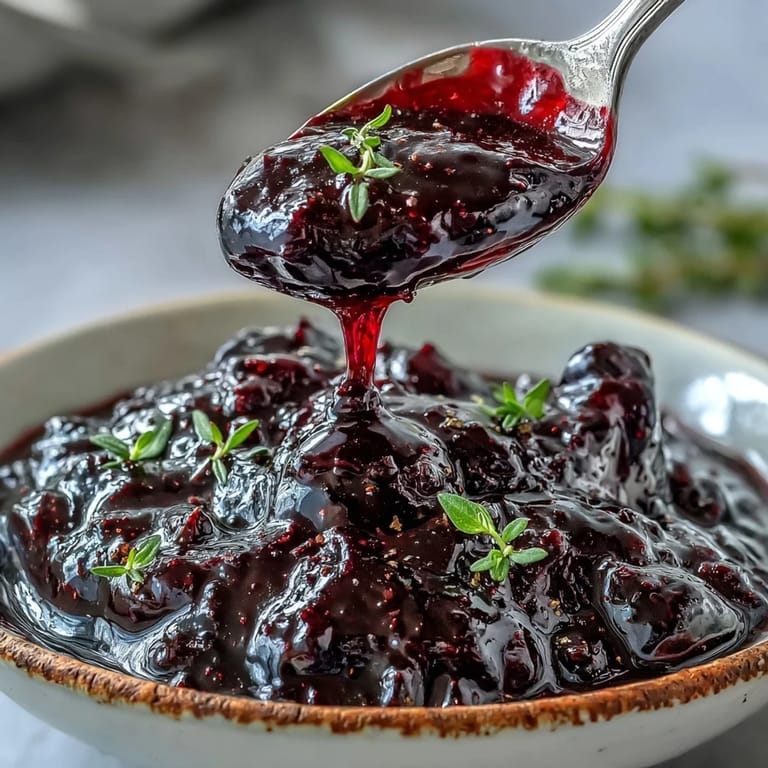
Save My grandmother kept a shelf in her pantry lined with jewel-toned preserves, and one afternoon when I was helping her prepare Easter dinner, she pulled down a jar of black currant jam with this knowing smile. She said the secret to a ham that people actually remembered wasn't the size or the price, but the glaze that caught the light as it roasted. That day, watching her stir together the glossy mixture that smelled like wine and dark berries, I understood that sometimes the smallest things transform a meal into something unforgettable.
I made this glaze last spring when my partner's parents were visiting, and honestly, I was nervous about the ham. But when I pulled it out of the oven in those final minutes with this deep, burnished coating, their faces lit up the way you hope dinner will land. One bite and my mother-in-law asked for the recipe before she'd even sat down, which felt like winning something important.
Ingredients
- Black currant preserves: The star that brings a sophisticated tartness and deep berry flavor that regular jam can't match, but red currant or cherry works beautifully if that's what you have on hand.
- Balsamic vinegar: A splash of this darkens the glaze and adds complexity that keeps the sweetness from feeling one-dimensional.
- Honey: This smooths everything together and helps the glaze cling to meat or vegetables without sliding off.
- Dijon mustard: Just enough to whisper a subtle heat and prevent the glaze from tasting cloying or overly fruity.
- Unsalted butter: Melts into the mixture and gives it that glossy, luxurious finish that catches light on the plate.
- Brown sugar: Deepens the caramelization and adds a gentle molasses note that rounds out the flavors.
- Fresh thyme leaves: Optional, but if you have it growing on a windowsill, it adds an earthy whisper that elevates everything.
- Ground black pepper: A pinch keeps the sweetness honest and reminds your palate that this isn't dessert.
- Salt: Just enough to make all the other flavors sing louder than they would alone.
Tired of Takeout? 🥡
Get 10 meals you can make faster than delivery arrives. Seriously.
One email. No spam. Unsubscribe anytime.
Instructions
- Gather your moment:
- Get a small saucepan and measure everything out before you start, because this glaze moves fast once the heat is on. There's something almost meditative about lining up your preserves, vinegar, and butter like you're conducting a small orchestra.
- Combine and melt:
- Add the black currant preserves, balsamic vinegar, honey, Dijon mustard, butter, and brown sugar to the saucepan together, then set it over medium heat. Stir occasionally with a whisk or wooden spoon until the butter melts completely and the mixture turns smooth and glossy, which usually takes about 2 to 3 minutes.
- Season and simmer:
- Stir in the fresh thyme if you're using it, then crack in the black pepper and add a small pinch of salt. Turn the heat to a gentle simmer and let it bubble slowly for 5 to 7 minutes, stirring now and then, until the glaze thickens and looks like something you'd want on your plate.
- Finish and use:
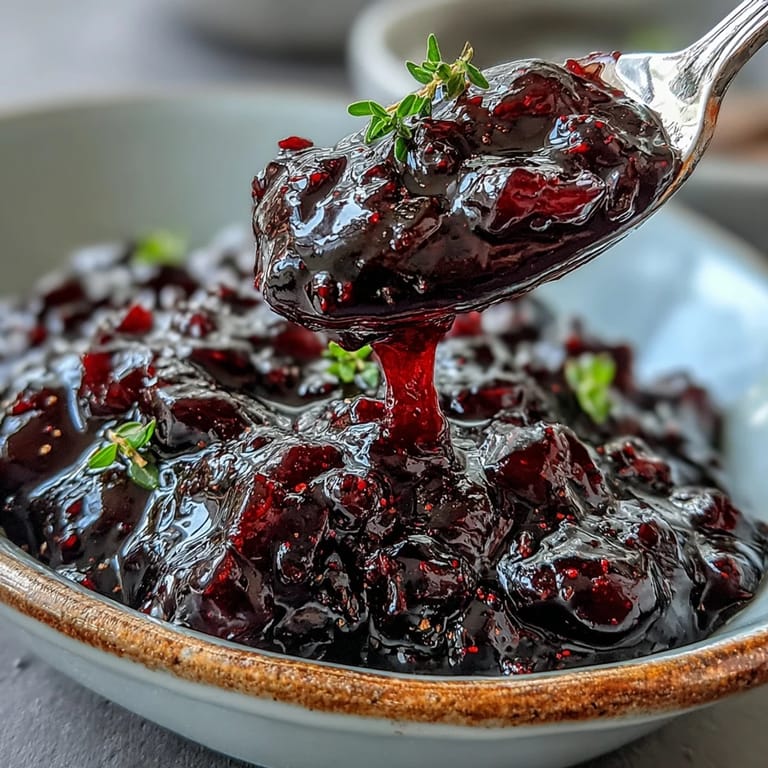
- Take it off the heat and let it cool for a moment before brushing it over your ham, chicken, pork, or roasted vegetables during the last 20 to 30 minutes of cooking. If you want it silky smooth, you can pour it through a fine mesh sieve, though the texture is lovely and rustic as is.
 Save
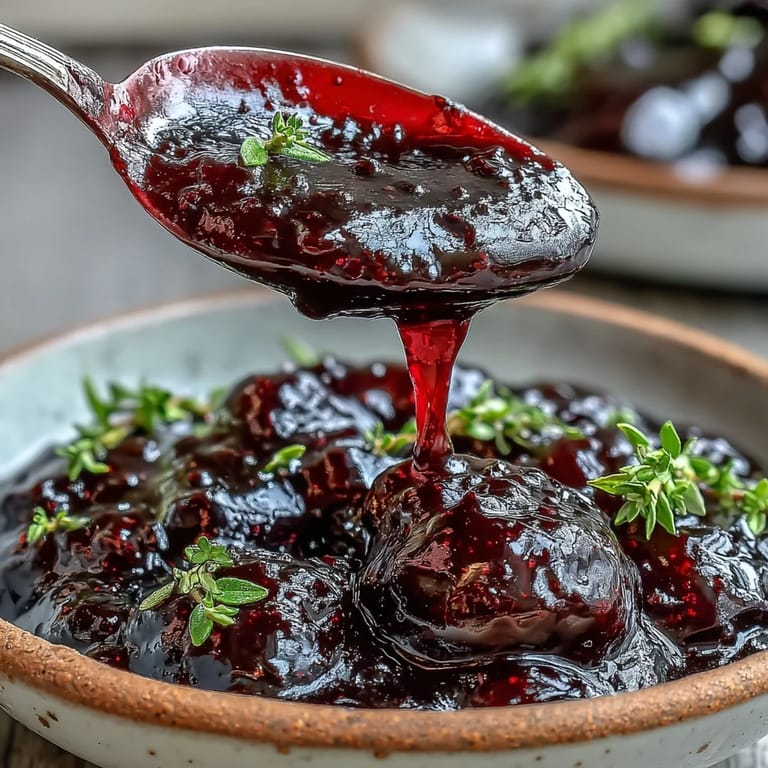
Save There's a moment when this glaze catches the light in the oven, just before you pull whatever you're cooking out, and it transforms something ordinary into something that looks like restaurant food. That's when you know you've made something that people will talk about, that becomes part of how they remember the meal.
The Science Behind the Shine
Glazes work by coating food with a sticky layer that caramelizes in the oven's heat, which is why butter and honey are so crucial here. The preserves provide both flavor and structure, the vinegar adds brightness that cuts through richness, and the simmering time thickens everything so it actually clings instead of sliding off. When you see that glossy finish, you're looking at the result of sugar breaking down slightly under heat, which is the same magic that happens in a caramel sauce.
What This Glaze Loves Most
Pork and duck are obvious matches, but roasted root vegetables like carrots, parsnips, and beets take on an almost elegant quality when glazed with this. Chicken thighs benefit more than breast meat because they have enough fat to support the richness of the glaze. Even a simple ham becomes the centerpiece of the meal instead of just something on the table.
Storing and Making It Last
Leftover glaze keeps in a sealed jar in the refrigerator for up to a week, and you can reheat it gently over low heat or in a microwave with a splash of water if it's thickened too much. It's wonderful as a finishing sauce for leftovers, or warmed slightly and served alongside ham or roasted meats at the table. Sometimes I'll brush it on roasted Brussels sprouts the next day just because I can't let that flavor go to waste.
- If your preserves are seedy and you prefer a smoother glaze, strain it through a fine mesh sieve before or after cooking.
- Red currant or cherry preserves work beautifully as substitutes if black currant isn't available at your market.
- Make a double batch because once people taste this, they'll ask you to bring it to every gathering.
 Save
Save This glaze has become one of those recipes I make without thinking, the way my grandmother must have, but I still feel that small thrill every time I see people's faces when they taste it. It's proof that sometimes the best recipes are the ones that are simple enough to master but elegant enough to feel like a small gift.
Recipe Guide
- → What dishes pair well with black currant glaze?
This glaze works beautifully with roasted pork, chicken, duck, glazed ham, and root vegetables. The tangy sweetness complements rich meats and adds depth to roasted vegetables.
- → Can I make this glaze ahead of time?
Yes, prepare the glaze up to one week in advance and store it in a sealed jar in the refrigerator. Reheat gently before brushing onto your dishes.
- → What can I substitute for black currant preserves?
Red currant preserves or cherry preserves work well as alternatives. They provide similar tartness and consistency while maintaining the glossy finish.
- → Should I strain the glaze before using?
Straining through a fine mesh sieve creates a perfectly smooth texture, though it's optional. The preserves may contain fruit pieces that some prefer to remove for an even finish.
- → How long does the glaze need to simmer?
Simmer gently for 5–7 minutes until the mixture thickens and becomes glossy. Stir occasionally to prevent sticking and ensure even cooking.
- → Is this glaze suitable for dietary restrictions?
This vegetarian and gluten-free glaze contains dairy from butter and mustard. Check your preserves and mustard labels if you have specific allergen concerns.